



How restaurant reservation platform OpenTable tracks customers’ eating habits
NEWNow you can listen to News articles!
Maybe you order sparkling water, start each meal with an appetizer, or prefer to dine right when the restaurant opens. You may not keep track of these habits. OpenTable could.
Some restaurants are now seeing new AI-assisted tags on diners when they reserve a table. These tags can indicate drinking patterns, spending levels, review habits, and last-minute cancellations.
These ideas came about after Kat Menter, a host at a Michelin-starred restaurant who posts about food under the name Eating Out Austin, discovered the new “AI-assisted” labels at work. He shared a look at the system in a TikTok video that quickly gained attention. The media then confirmed the test with other restaurants.
Sign up to receive my FREE CyberGuy report
Get my best tech tips, urgent security alerts, and exclusive offers delivered straight to your inbox. Plus, you’ll get instant access to my Ultimate Guide to Surviving Scams, free when you join me CYBERGUY.COM information sheet.
WOULD YOU EAT IN A RESTAURANT RUN BY AI?

AI tags pull reservation and point-of-sale data to highlight patterns such as beverage options, spending ranges, and dining habits across visits. (Jeffrey Greenberg/UCG/Universal Images Group via Getty Images)
How OpenTable collects this information
OpenTable integrates with POS (Point of Sale) platforms such as Toast or Epos. These systems handle ordering, payment, and timing during a meal. When your contact details match your OpenTable account, the platform can connect your visit to your profile.
This may include arrival time, general order details, time spent, and invoice totals. Reports show that these elements help OpenTable generate AI summaries of de-identified guest data when the restaurant uses a supported POS system and has enabled data sharing. You do not need to book through OpenTable for this to happen. You only need one account and matching contact information.
Some users who obtained their data through OpenTable’s privacy request form saw very limited information. Basic contact details and a list of previous bookings were the main elements. That suggests the level of awareness depends on which restaurants use POS integrations and how long they’ve used them.
Why restaurants want this information
Restaurants have followed customer preferences for years. Staff can write down their favorite dishes or favorite seats. They may be on the lookout for frequent delays or recurring celebrations. This helps them organize a smooth visit.
Guest insights summarized by OpenTable AI are intended to provide a simplified version of these notes. They highlight drink categories, spending ranges or behavior patterns. However, Menter points out that the labels may be misplaced. A single business dinner can mark someone as a big spender. Eating with friends who order cocktails can make a person seem like a cocktail lover. Because of this, Menter treats tags as vague suggestions rather than reliable signals.
THAT’S NOT A HUMAN TALKING TO YOU AT THE FAST FOOD DRIVE-THRU
How AI works
OpenTable says the AI does not process personal guest data. Instead, it is used for high-level classification and categorization of large, anonymized data sets. For example, the AI analyzes various point-of-sale descriptions (such as “glass of cabernet”) to consistently categorize them as “red wine,” “white wine,” etc., without ever interacting with specific guest profiles.
The platform says these insights can help staff suggest dishes or set a relaxed pace. OpenTable also says that POS’s use of information depends on the privacy settings you choose, and you can review, adjust or cancel data sharing at any time. Still, the privacy policy uses broad terms such as dining preferences.
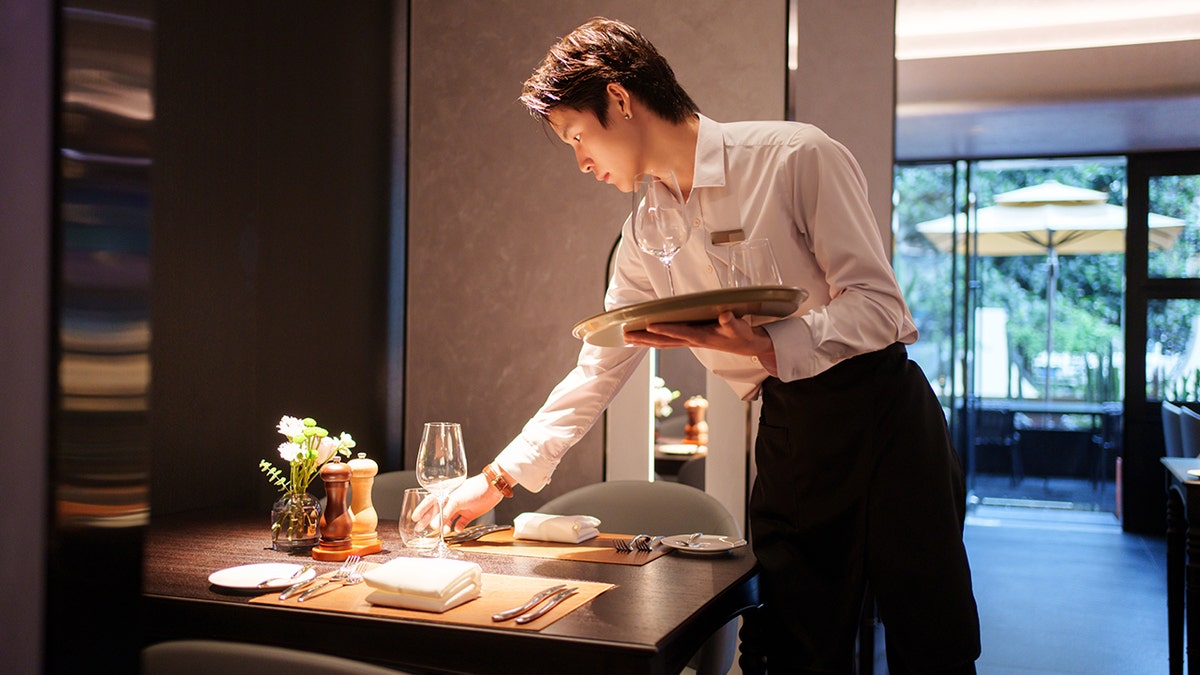
A TikTok video from the host of a Michelin-starred restaurant revealed for the first time the AI-assisted diner tags that are now being tested in OpenTable’s Pro tools. (iStock)
“Guest insights are the driver of personalization, allowing restaurants to optimize their service and offer the kind of thoughtful hospitality that benefits the business and delivers a special experience to the diner,” an OpenTable representative told CyberGuy. “These insights come from a combination of sources, including OpenTable, our restaurant partners and POS partners, and are limited to non-confidential information.”
“They could help the waiter suggest a dish you’ll love or recognize that you prefer a more relaxed pace of dining,” the representative said. “We also share these insights across our network so restaurants can learn and improve the hospitality experience for everyone, not just individual guests. You are in charge of the data you share. Through your OpenTable preferences and settings, you can review, adjust, or opt out of sharing data at any time. What we share with restaurants is guided by the choices you’ve made in your privacy preferences.”
What data is shared and how to limit it
If a diner is opted in, OpenTable shares their name, contact information, group size, and special requests with the restaurant they reserve. The company also confirms that participating restaurants share POS data with OpenTable. This may include items ordered, invoice totals, and time spent. OpenTable then converts this into aggregate information.
RESTAURANT INSIGHTS SHARE THE SECRETS OF GETTING DIFFICULT TO OBTAIN RESERVATIONS
OpenTable reportedly shares information across its broader restaurant network. This applies only when enabled and only for restaurants on the OpenTable Pro plan, and is a feature in Beta.
How to disable the “Point of sale information” option
If you want more privacy, you can turn off the “Point of sale information” configuration:
- Sign in to your OpenTable account
- touch your profile in the upper right corner
- Click account settings
- Tap Communications
- Scroll down and turn off Allow OpenTable to use point of sale information
- Click Save
This prevents your order history from contributing to future information.
What does this mean to you?
Your eating habits may change with you when you dine at restaurants that use OpenTable Pro.
This knowledge helps you understand what your apps are tracking. It also gives you the opportunity to adjust your privacy settings to maintain control of your information.
Take my quiz: How safe is your online security?
Do you think your devices and data are really protected? Take this quick quiz to see where you stand digitally. From passwords to Wi-Fi settings, you’ll get a personalized breakdown of what you’re doing well and what you need to improve. Take my quiz here: Cyberguy.com

Diners can limit the amount of data they contribute to these insights by turning off the OpenTable point-of-sale sharing settings in their account. (Education Images/Universal Images Group via Getty Images)
BE ON HIGH ALERT IF YOU USE THIS POPULAR BOOKING APP
Kurt’s Key Takeaways
Dining out should be easy, but today’s technology adds a new layer to the experience. These AI-assisted tags give restaurants additional information, but also remind you how much of your behavior is recorded behind the scenes. By checking your privacy settings and turning off POS data sharing, you maintain more control over what follows from one meal to the next. Staying aware makes a big difference. Helps you enjoy your night out without wondering who’s tracking your habits or how your data might appear on a screen. With a few quick options, you can shape what restaurants see and keep your preferences truly personal.
Would you change the way you dine out if you knew your ordering habits could follow you to restaurants you’ve never visited? Let us know by writing to us at Cyberguy.com.
CLICK HERE TO DOWNLOAD THE News APP
Sign up to receive my FREE CyberGuy report
Get my best tech tips, urgent security alerts, and exclusive offers delivered straight to your inbox. Plus, you’ll get instant access to my Ultimate Guide to Surviving Scams, free when you join me CYBERGUY.COM fact sheet
Copyright 2025 CyberGuy.com. All rights reserved.
Kurt “CyberGuy” Knutsson is an award-winning technology journalist with a deep love for technology, gear and devices that improve lives with his contributions to News and News Business since mornings on “News & Friends.” Do you have any technical questions? Get Kurt’s free CyberGuy newsletter, share your voice, a story idea or comment on CyberGuy.com.