



How the Iran war has abruptly placed the small island of Cyprus in Europe
By Elena Giuliano
/News themezone
Add News themezone on Google
French President Emmanuel Macron visited the eastern Mediterranean island of Cyprus on Monday to discuss regional security after a British military base there was targeted by an Iranian drone attack.
France quickly joined other European nations in emphasizing that an attack on Cyprus was an attack on all of Europe. Paris joined other European capitals in announcing that additional warships would be deployed to the Mediterranean, along with anti-drone and anti-missile defences, to help defend Cyprus.
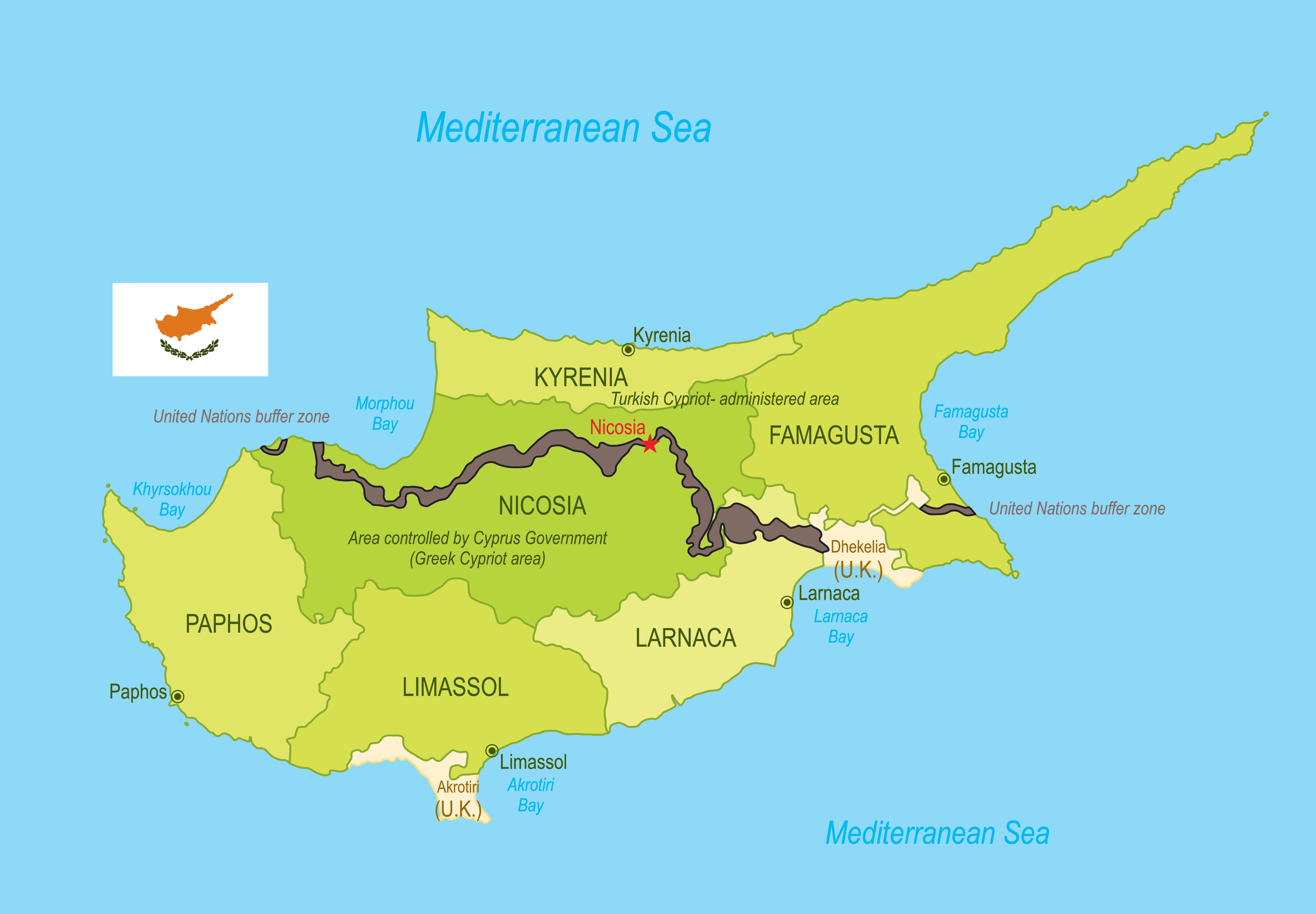
Cyprus is a small island, about the size of Yellowstone Park in the United States and with a population of less than 1.5 million. But its location at the eastern end of the Mediterranean, just 100 miles from the coasts of Lebanon and Syria in the heart of the Middle East, makes it strategically invaluable territory, and explains why the British have maintained two sovereign military bases there, Akrotiri and Dhekelia, for decades.
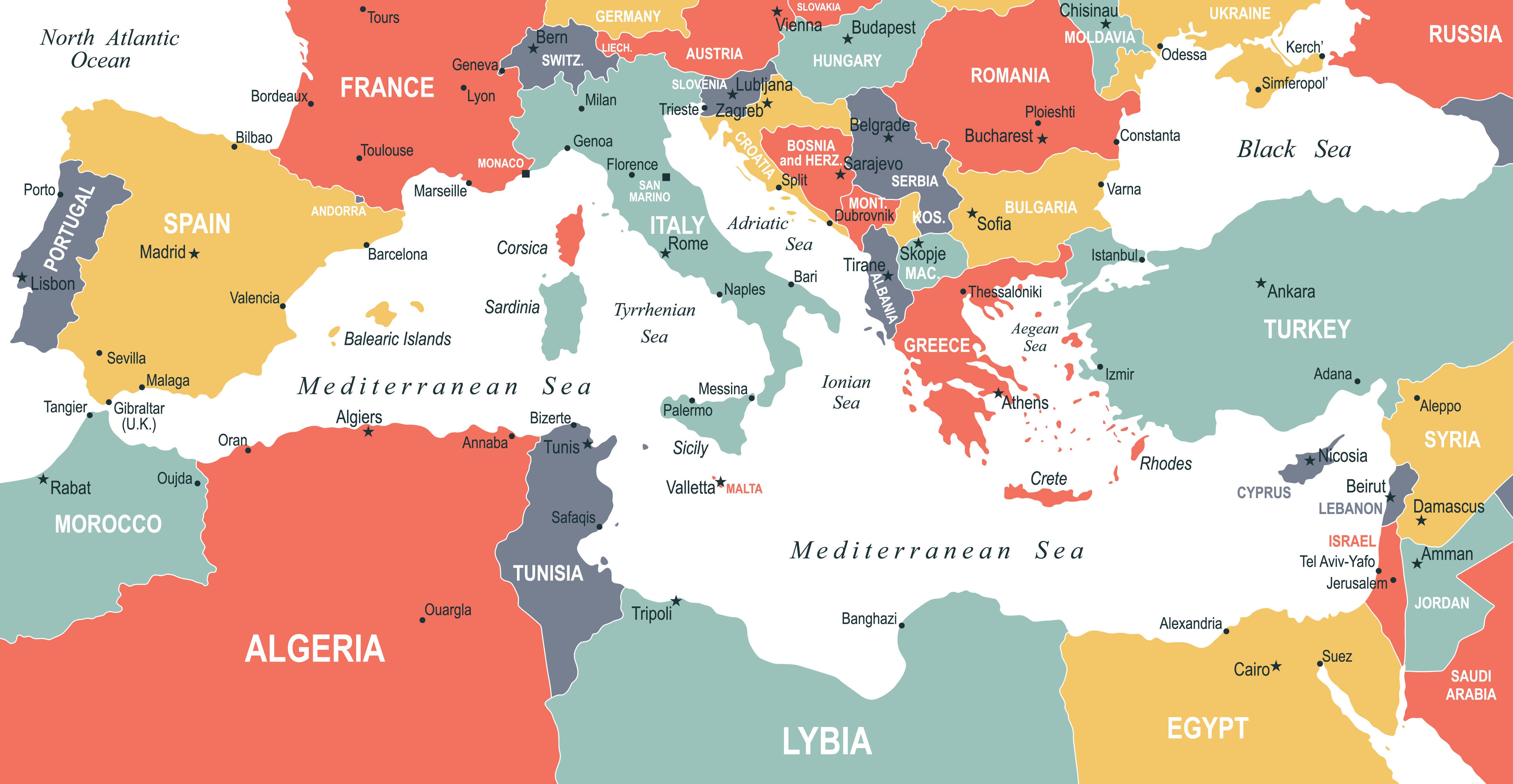
Cyprus has been pushed to the forefront of international security concerns since the United States and Israel launched their attacks on Iran on February 28. Most of Iran’s retaliatory ballistic missile and drone launches have targeted Israel and its Persian Gulf neighbors, but some drones targeted the UK air base at Akrotiri, and one slightly damaged a runway.
However, the small island is not new to military tension.
Since 1974, the island has been divided along the so-called “Green Line”, created by the United Nations after a clash between Greek Cypriots (some of whom sought union with Greece after the island gained independence from Britain) and minority Turkish Cypriots.
The internationally recognized Republic of Cyprus (RoC) forms approximately the southern part of the island. It joined the European Union as a member state in 2004, while the Turkish-controlled north is recognized as an independent entity only by Ankara.
Both sides remain heavily militarized, and Turkish President Recep Tayyip Erdogan recently reinforced northern Cyprus with additional military assets amid concerns about the regional security situation.
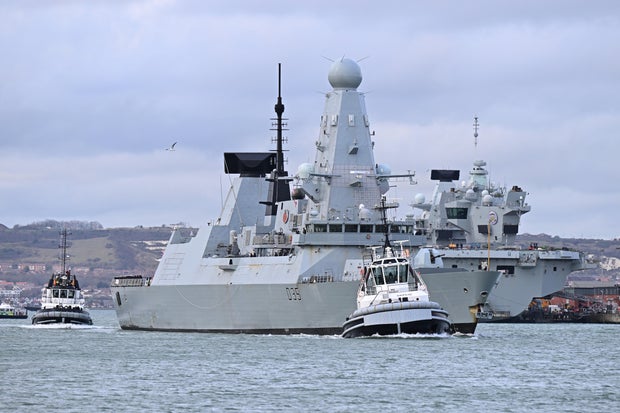
Throughout the island’s internal turmoil, the United Kingdom has retained control of two key sovereign military bases, that of Akrotiri and another not far away, at Dhekelia. The bases have long served as strategic centers for NATO military operations and are often used by the US military as a close ally of Britain.
UK Prime Minister Keir Starmer, under intense public pressure from President Trump after denying the United States military use of British bases for the initial offensive against Iran, then granted access to three British bases: Akrotiri in Cyprus, Diego Garcia in the Indian Ocean, and the vital Fairford Air Station in England, where the United States has strategic bomber bases.
But Starmer said permission had been granted only for a “specific and limited defensive purpose” and that UK bases were not being used to facilitate attacks against Iran.
The Cyprus government has been even more reluctant to get involved in the war. President Nikos Christodoulides has reiterated his commitment to de-escalating the conflict to safeguard regional stability.
The attacks on the UK base sparked protests on the island, with some citizens warning that the British presence could increase risks for Cyprus and undermine efforts to push for a peaceful resolution to the conflict.
Another factor fueling tension on the island is the growing relationship between the Republic of Cyprus, Greece and Israel. In December, the leaders of the three nations met in Nicosia to finalize a trilateral cooperation plan for 2026.
The agreement they signed includes military coordination and joint exercises between their respective armed forces, as well as cooperation on broader regional security challenges.
At the time, Israeli Prime Minister Benjamin Netanyahu warned ambiguously that “those who fantasize about being able to reestablish their empires and their rule over our lands should forget about it.”
Southern Cyprus has become an increasingly popular holiday destination for Israelis in recent years, with many buying property on the island. Vacation homes, retirement homes and tourist facilities have been built, creating a community estimated at about 11,000 people, according to the Commonwealth Jewish Council.
In:
- War
- Iran
- Israel
- Great Britain
- Keir Starmer
- Cyprus
- European Union
- United Kingdom