



Iran conflict
March 4 (Reuters) – The impact of the conflict with Iran on energy markets will be temporary and a “small price” to pay for U.S. military objectives, U.S. Energy Secretary Chris Wright told News on Wednesday.
The US and Israeli attacks on Iran and Tehran’s subsequent response have widened regional tensions and paralyzed shipping through the Strait of Hormuz, disrupting vital oil and gas flows in the Middle East and driving up energy prices. Oil prices rose on Thursday in Asia amid growing concerns over the prolonged closure of the Strait of Hormuz.
“This will definitely be temporary,” Wright told News’ “Ingraham Angle.”
“We have the world immensely well supplied, with abundant oil around the world and American production at record levels. So we will get through this, it will be a bump in the road.”
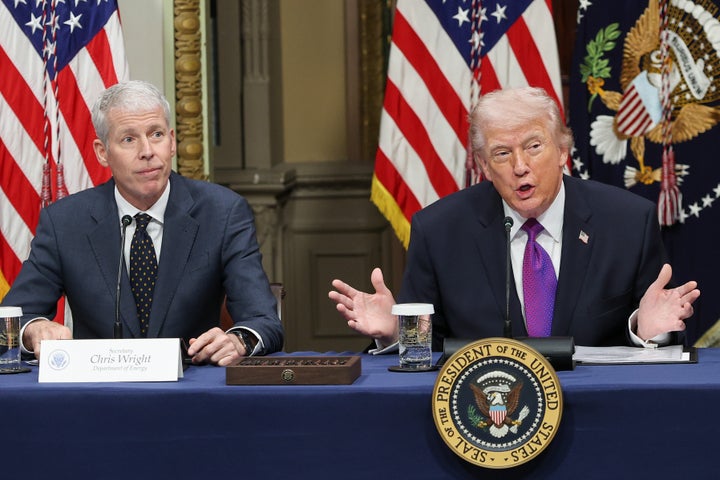
Win McNamee via Getty Images
US President Donald Trump has pledged to provide insurance and naval escorts to ships exporting energy from the region to contain rising costs.
Wright said the closure of the Strait of Hormuz was a temporary event and that the US Navy would soon escort oil tankers through the waterway that normally carries about a fifth of the world’s daily oil consumption.
“We will do it as soon as we can. Right now, our navy and, of course, our military, are focused on other things, which is disarming this Iranian regime,” Wright said, when asked if any commercial ships had requested help from the US Navy.
Trump’s decision to attack Iran in a campaign that has killed Supreme Leader Ayatollah Ali Khamenei, whose government Trump has accused of developing a nuclear weapon, will likely increase uncertainty for the U.S. economy.
Although the United States is more protected from energy shocks than many other developed countries due to its domestic oil and gas production, the global impact on trade, prices and investment could ripple through and undermine what had been a bullish outlook developing for 2026.
“Are we going to have a temporary increase like we’ve seen in gas prices? We will have it a little bit, but I think it’s a very small price to pay to take out the nation that has killed more American soldiers in the last 20 years than any nation in the world,” Wright said on News.
(Reporting by Ismail Shakil; Editing by Christian Schmollinger, Donna Bryson and Tom Hogue)