



Manage Android apps with the new ‘Uninstall’ button
NEWNow you can listen to News articles!
If you use more than one Android device with the same Google account, you know how complicated things can be.
Keeping track of which apps are installed on which phone or tablet can quickly get confusing. The Google Play Store already showed how many of its devices had a particular app, but uninstalling apps on multiple devices required digging through multiple menus.
That’s changing now thanks to Google’s latest Play Store update.
Sign up to receive my FREE CyberGuy report
Get my best tech tips, urgent security alerts, and exclusive offers delivered straight to your inbox. Plus, you’ll get instant access to my Ultimate Guide to Surviving Scams, free when you join me CYBERGUY.COM information sheet.
APPLE RELEASES IOS 26.1 WITH MAJOR SECURITY IMPROVEMENTS AND NEW FEATURES FOR IPHONE USERS
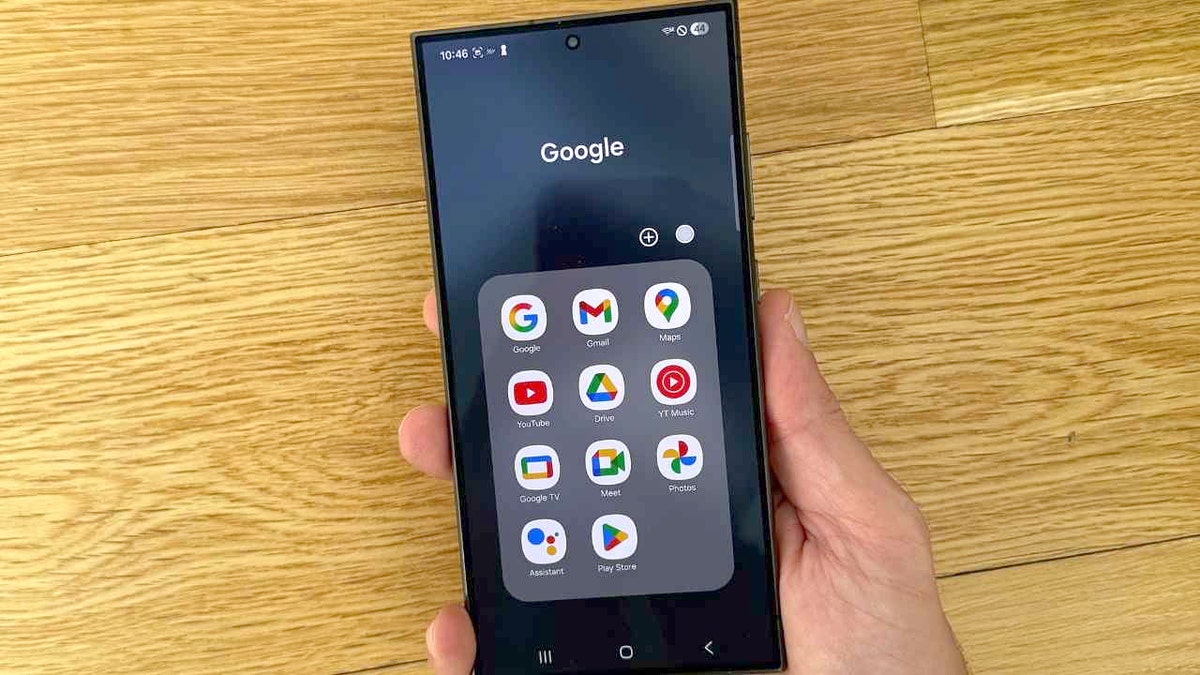
A new Play Store update makes it easier to manage apps on all your Android devices. (Kurt “CyberGuy” Knutsson)
New uninstall button launched
Google is rolling out Play Store version 48.8 and introducing a new “Uninstall” button directly in the list of each app. You can now delete an app from any of your devices right from your main phone. This eliminates the need to pick up each device and delete the app one by one. According to Android Authority and other reliable tech outlets, this feature appears next to every Android device included in your account, making it faster to keep your devices organized and tidy.
The update replaces the previous process that required you to navigate through “Profile,” then “Manage Apps and Devices,” and then apply a device filter before uninstalling. That long method still works, but the new shortcut saves time and effort. The feature is rolling out gradually, so you may not see it right away, but it should appear soon as part of the stable update.
Why is this update important?
For anyone with a phone, tablet or even a work device, this new feature makes a real difference. Over time, unused apps pile up, taking up storage space and slowing down performance. Being able to remove them remotely helps keep all devices clean and efficient without switching screens.
The change also improves digital hygiene. Many people forget about old phone apps that still have access to personal data or permissions. Now you can easily remove those apps before they become a privacy or security risk. The update also makes it easier for parents managing family devices to keep control of what’s installed on their kids’ phones.
How to use the new uninstall button on Android
YesSettings may vary depending on the manufacturer of your Android phone.
- Open the Play Store app on your device.
- Navigate to the listing of an application that you know is installed on another device that is signed in to your account.
- under the Section “Installed on X devices”, you might see a new ‘uninstall button next to each device listed.
- Tap Uninstall next to the one you want to delete from your Android.
Then click This device.
GOOGLE CHROME AUTOFELL NOW HANDLES ID
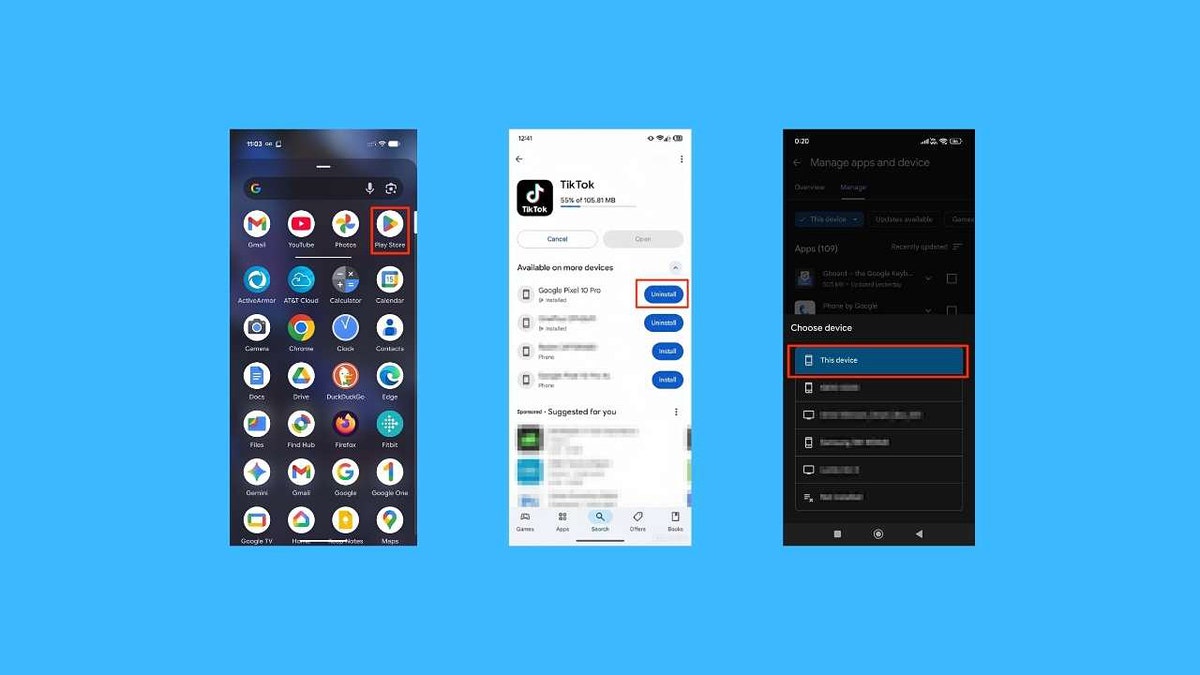
Steps to use the new uninstall button on Android. (Kurt “CyberGuy” Knutsson)
How to uninstall Android apps when the new Play Store button is not showing
Please wait for the update to roll out if key features are not yet displayed. If the button is not present, you can still uninstall an app by following these steps:
YesSettings may vary depending on the manufacturer of your Android phone.
- Click Profile.
- Tap Manage apps and devices.
- Click Manage.
- Use the device filter to select the destination device.
- Press the application you want to uninstall.
Click uninstall.
CLICK HERE TO DOWNLOAD THE News APP
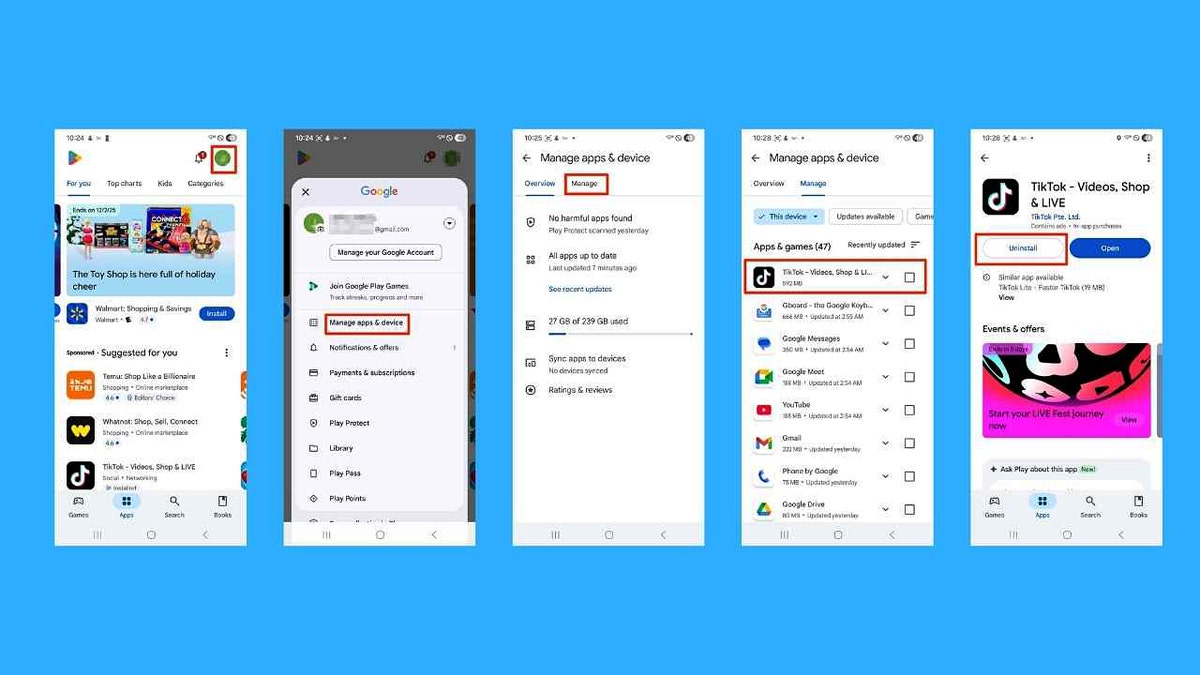
The new feature saves time and improves organization on user’s Android devices. (Kurt “CyberGuy” Knutsson)
What does this mean to you?
This feature saves time, improves organization, and helps you keep your Android devices running smoothly. By uninstalling unused apps remotely, you free up valuable storage and reduce unnecessary background activity that can drain your battery life. It also makes your devices more secure by removing old apps that may no longer receive updates. It’s a thoughtful update that shows how Google is paying attention to everyday usability rather than adding flashy new tools. While it may seem like a small change, the impact adds up for people living in a multi-device world.
Take my quiz: How safe is your online security?
Do you think your devices and data are really protected? Take this quick quiz to see where you stand digitally. From passwords to Wi-Fi settings, you’ll get a personalized breakdown of what you’re doing well and what you need to improve. Take my quiz here: Cyberguy.com.
Kurt’s Key Takeaways
The new ‘Uninstall’ button in Play Store version 48.8 is a quiet but powerful improvement for Android users. It makes it easier to manage your apps and maintain a cleaner digital environment across all your devices. Once this update hits your phone, it’s worth exploring which apps you no longer need and removing them in just a few seconds.
Do you plan to organize your devices using the new Google Play Store feature or prefer to manage apps directly from each phone? Let us know by writing to us at Cyberguy.com.
Sign up to receive my FREE CyberGuy report
Get my best tech tips, urgent security alerts, and exclusive offers delivered straight to your inbox. Plus, you’ll get instant access to my Ultimate Guide to Surviving Scams, free when you join me CYBERGUY.COM information sheet.
Copyright 2025 CyberGuy.com. All rights reserved.
Kurt “CyberGuy” Knutsson is an award-winning technology journalist with a deep love for technology, gear and devices that improve lives with his contributions to News and News Business since mornings on “News & Friends.” Do you have any technical questions? Get Kurt’s free CyberGuy newsletter, share your voice, a story idea or comment on CyberGuy.com.