



New vitamin compound shows promise in reversing brain damage caused by Alzheimer’s
NEWNow you can listen to News articles!
An improved version of vitamin K could help reverse brain damage caused by Alzheimer’s disease, according to a study.
Alzheimer’s and many other neurodegenerative diseases are characterized by a loss of brain neurons. While most drugs treat only the symptoms, researchers at the Department of Bioscience and Engineering at the Shibaura Institute of Technology in Japan set out to determine whether a new approach could replace lost cells.
Vitamin K is an essential nutrient that helps with blood clotting, bone health and other important body functions, according to the National Institutes of Health.
A SIMPLE CHANGE IN DIET MAY SUPPORT GUT HEALING IN CANCER SURVIVORS, RESEARCHERS SAY
While it has been shown to support brain protection and the creation of neurons, natural forms of vitamin K, including menaquinone-4 (MK-4), may not be potent enough to effectively treat neurodegenerative diseases, experts say.

An improved version of vitamin K could help reverse brain damage caused by Alzheimer’s disease, according to a study. (iStock)
To increase its potency, researchers at the Department of Bioscience and Engineering at the Shibaura Institute of Technology in Japan developed new, stronger forms of the vitamin.
They did this by creating 12 new versions of vitamin K and combining them with retinoic acid, an active metabolite of vitamin A that helps brain cells grow and develop.
CLICK HERE TO GET THE News APP
In laboratory tests, the new lab-made versions of vitamin K were about three times more effective than natural vitamin K in helping immature brain cells become neurons, according to the study’s co-leader, Associate Professor Yoshihisa Hirota.

Vitamin K is an essential nutrient that helps with blood clotting, bone health, and other important body functions. (iStock)
The new vitamin K compound was also shown to successfully cross the blood-brain barrier in animal tests.
Another important benefit, the researchers noted, is that the new molecules retained the same benefits of vitamin K and vitamin A, while showing stronger brain cell activity.
CLICK HERE TO SUBSCRIBE TO OUR HEALTH NEWSLETTER
The findings were published in the journal ACS Chemical Neuroscience.
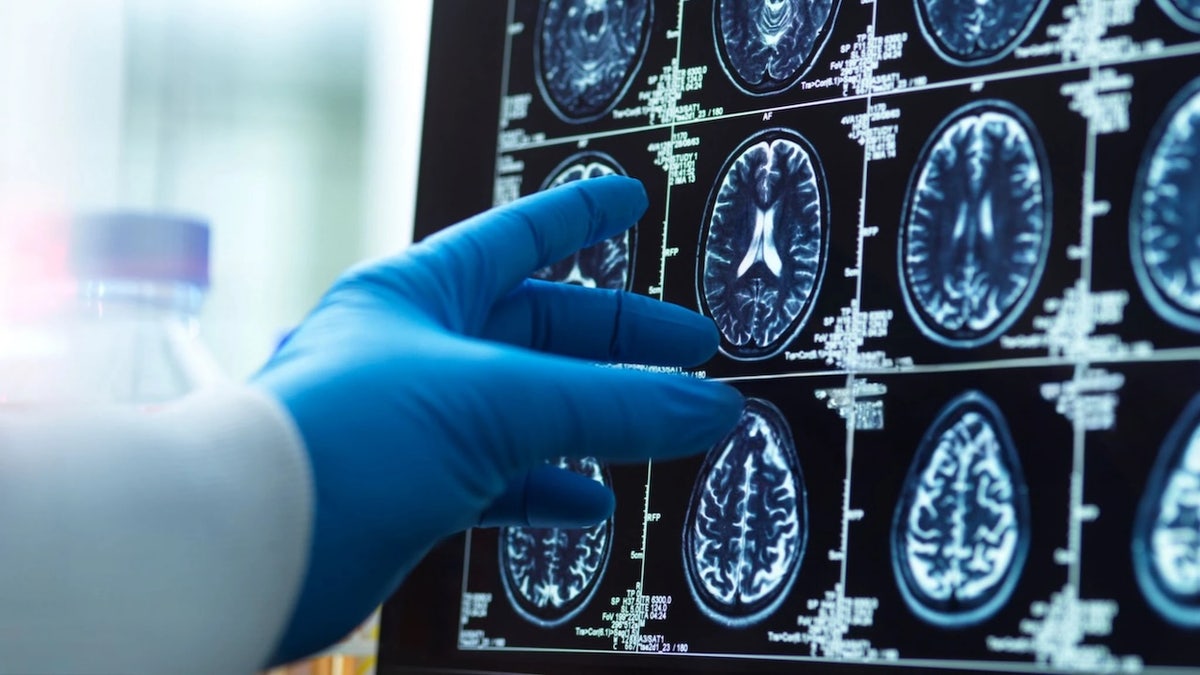
The new vitamin K compound was also shown to successfully cross the blood-brain barrier in animal tests. (iStock)
“Since neuronal loss is a feature of neurodegenerative diseases such as Alzheimer’s disease, these analogs may serve as regenerative agents that help replenish lost neurons and restore brain function,” Hirota said in a press release.
TRY OUR LATEST LIFESTYLE QUIZ
Looking ahead, the research team plans to test the new compounds in animal and human studies, with the hope that this could lead to a new approach to slowing or repairing brain degeneration in patients with neurodegenerative diseases.
CLICK HERE FOR MORE HEALTH STORIES
“A vitamin K-derived drug that slows the progression of Alzheimer’s disease or improves its symptoms could not only improve the quality of life of patients and their families, but also significantly reduce the growing societal burden of healthcare expenditures and long-term care,” Hirota added.
Melissa Rudy is a senior health editor and member of the lifestyle team at News Digital. Story tips can be sent to melissa.rudy@News.com.