



New York Mayor Zohran Mamdani advocates rescinding executive orders issued by Eric Adams
NEW YORK, Jan 2 (Reuters) – New York Mayor Zohran Mamdani on Friday defended his reversal of executive orders issued by his predecessor Eric Adams after he was indicted in 2024 on federal charges of accepting illegal campaign contributions.
The dozen orders issued by Adams since his indictment included a directive to allow federal agents, including immigration agents, to use an office on Rikers Island, the city’s main jail. That order was later overturned by a court.
The new mayor also rescinded executive orders that Adams had described as targeting anti-Semitism. Mamdani, a Muslim whom some have accused of anti-Semitism for his support of Palestinians in Gaza, told reporters on Friday that he would fund measures to prevent hate crimes and would make protecting Jewish New Yorkers a focus of his administration.
Mamdani recalled September 26, 2024, the day Adams was accused of accepting illegal campaign contributions and luxury trips from Turkish citizens seeking to influence him, as “a moment when many New Yorkers lost even more faith in New York City politics and the city government’s ability to truly prioritize the needs of the public, as opposed to the needs of the individual.”
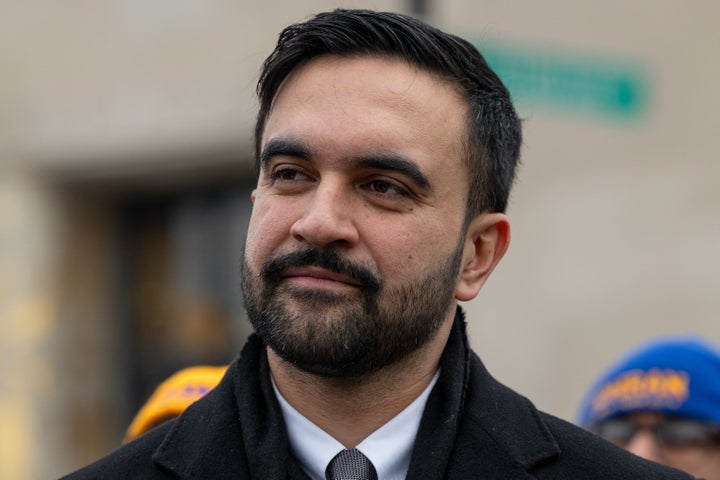
JASON ALPERT-WISNIA via Getty Images
In April, a U.S. judge dismissed charges against Adams, a Democrat, at the request of the U.S. Justice Department, which had argued that the case distracted the mayor from helping Republican President Donald Trump step up deportations.
Mamdani, from the left wing of the Democratic Party, has confronted Trump over immigration repression.
On Thursday, Mamdani revoked Adams’ orders that had prevented city institutions from divesting from Israel and that defined anti-Semitism in a way recognized by the International Holocaust Remembrance Alliance, a 35-nation intergovernmental organization that promotes Holocaust education.
The Council on American-Islamic Relations is among groups that maintain that the IHRA definition has been used to try to silence Palestinian rights advocates.
While Islamic organizations praised Mamdani’s actions, Israel’s Foreign Ministry posted on
(Reporting by Maria Tsvetkova; editing by Donna Bryson and David Gregorio)