



Popular daily snack found to increase cerebral blood flow in older adults, new study shows
NEWNow you can listen to News articles!
Eating a daily serving of peanuts can help older adults improve blood flow to the brain and improve memory, according to new research.
In a study published in Clinical Nutrition, scientists at the NUTRIM Institute at Maastricht University Medical Center in the Netherlands set out to test whether this simple, inexpensive food could make a measurable difference in people’s brains as they age.
The team recruited 31 healthy older adults between 60 and 75 years old. In one study period, participants ate 60 grams of roasted, unsalted peanuts every day for 16 weeks. At another stage, they avoided peanuts altogether, according to a press release.
YOUR BRAIN DOES NOT AGE AS YOU THINK: NEUROSCENTISTS REVEAL 5 STAGES THROUGHOUT A LIFE
The order was random and there was an eight-week break between the two periods so that the effects of the first period did not carry over to the second.
Throughout the study, researchers measured blood flow in the brain using specialized MRI technology and assessed memory using a standard set of cognitive measures.
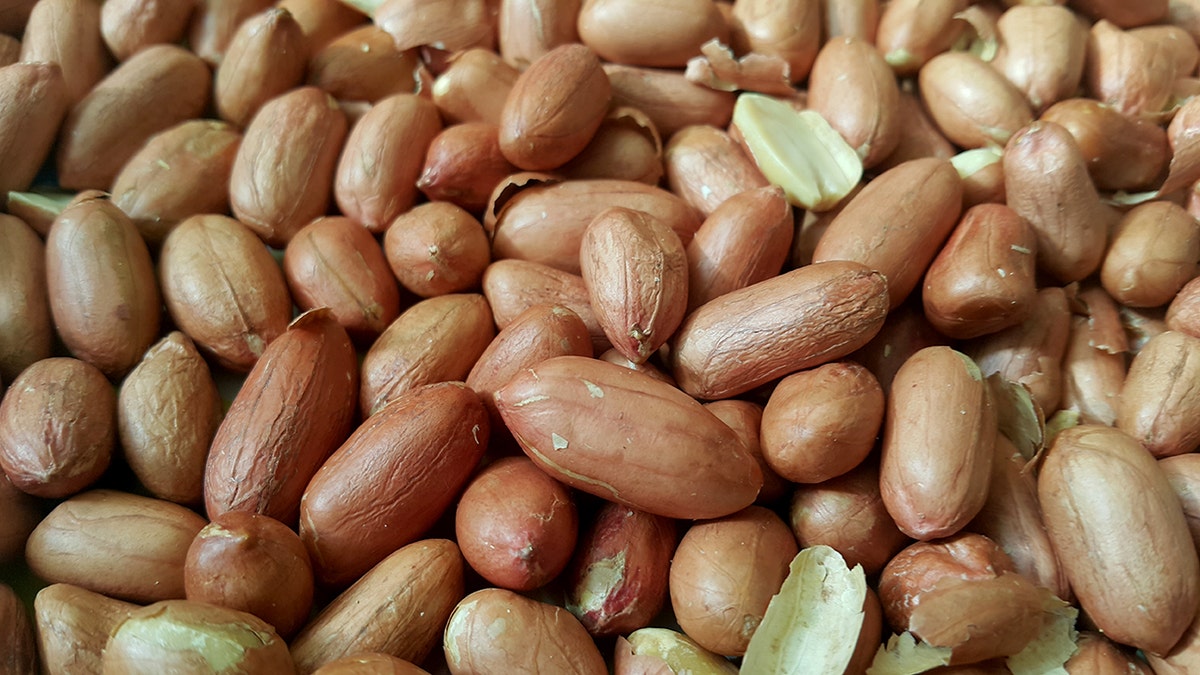
Peanuts are rich in protein and contain high concentrations of L-arginine, an amino acid important for vascular health. (iStock)
At the end of the peanut consumption period, the results showed that blood flow in the brain increased by 3.6% overall. There were also slightly stronger improvements in gray matter, which is the brain tissue responsible for memory, emotions and decision-making.
MEN WITH ‘BEER BELLIES’ CAN FACE SERIOUS HEART DAMAGE REGARDLESS OF WEIGHT
“[Cerebral blood flow] is an important physiological marker, because having strong blood flow to the brain contributes to your health,” Peter Joris, Ph.D., study author and associate professor in the Department of Nutrition and Movement Sciences at Maastricht University Medical Center, said in the news release.
“We found that long-term consumption of roasted peanuts with skin and without salt improved global cerebral blood flow, suggesting an overall improvement in cerebral vascular function.”
BRAIN HEALTH WARNING SIGN COULD BE HIDDEN IN SIGHT, RESEARCHERS SAY
These increases were most notable in the frontal and temporal lobes, areas that are important for higher-level thinking and language.
The participants also performed better on verbal memory tests, by approximately 5.8%.
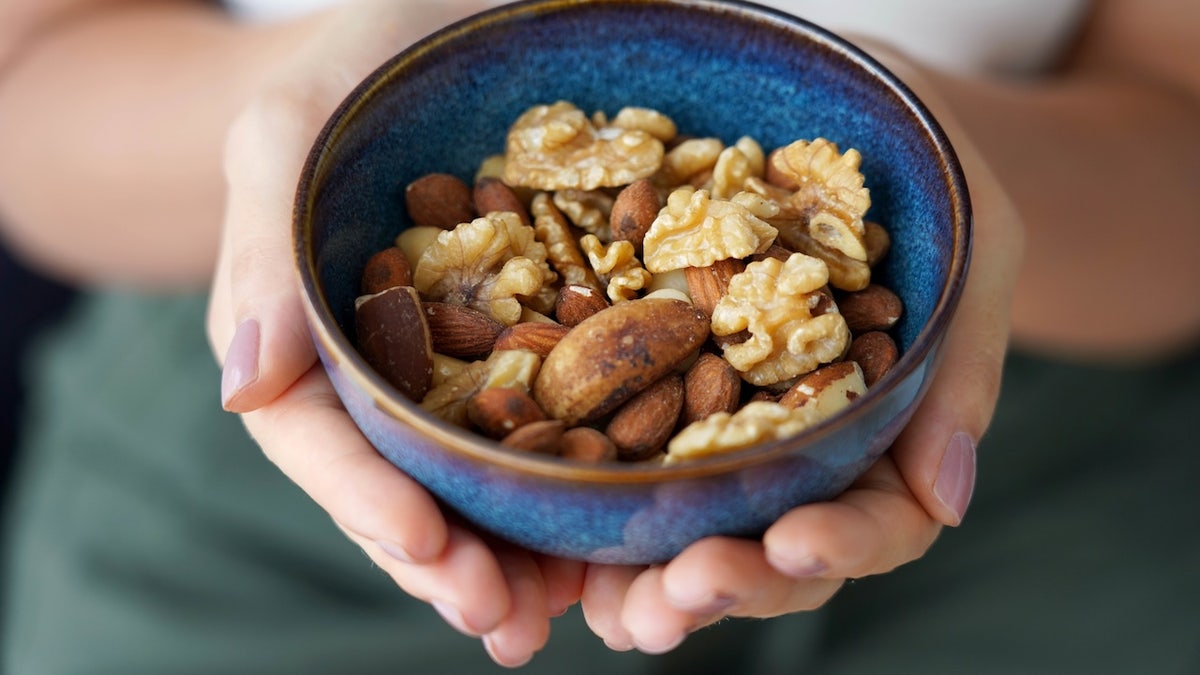
Because the peanuts were roasted with the skin on, participants consumed additional antioxidants. (iStock)
Other areas of thinking, such as executive function and reaction speed, did not show significant improvements.
The study also reported small decreases in systolic blood pressure and pulse pressure, suggesting broader benefits for vascular health.
CLICK HERE TO DOWNLOAD THE News APP
Peanuts contain several nutrients that may support blood vessel function, including unsaturated fats, plant proteins, fiber, polyphenols and certain amino acids, the study authors noted.
“Peanuts are especially rich in plant-based protein and contain high concentrations of L-arginine, an amino acid important for vascular health,” Joris wrote. “They are also a valuable source of unsaturated fats and polyphenols, both known to support vascular function.”
CLICK HERE TO SUBSCRIBE TO OUR HEALTH NEWSLETTER
Because the peanuts were roasted with the skin on, participants also consumed additional antioxidants. Together, these components may help explain the improvements seen in blood flow and memory.
“We found that long-term consumption of roasted peanuts with skin and without salt improved global cerebral blood flow, suggesting an overall improvement in cerebral vascular function.”
The study had some limitations, including the small sample size and the fact that all participants were healthy older adults. That makes it difficult to determine whether the effect would hold in larger groups, younger people, and people with medical conditions.
TRY OUR LATEST LIFESTYLE QUIZ
The study also tested only roasted peanuts with skin and without salt at a specific daily amount. Other forms of peanuts or smaller portions may not produce the same results.
Since participants likely knew whether they were eating peanuts, there is also the possibility of a placebo effect, the researchers noted.

The trial lasted only a few months, so it cannot show whether these benefits last over time or significantly affect long-term dementia risk. (iStock)
The trial lasted only a few months, so it cannot show whether these benefits last over time or affect the long-term risk of dementia.
Since peanuts are high in calories, nutritionists generally recommend choosing unsalted, lightly salted, dry-roasted or raw peanuts rather than highly salted or oil-roasted variants. Moderate servings of peanuts should be balanced with protein, vegetables, fruits, and healthy whole grains.
CLICK HERE FOR MORE HEALTH STORIES
The NUTRIM study was funded by The Peanut Institute Foundation, although the foundation was not involved in the study design, implementation, analysis or interpretation of the data, or writing the manuscript, the published results noted.
Khloe Quill is a lifestyle production assistant at News Digital. She and the lifestyle team cover a range of topics including food and drink, travel and health.