



Popular Medications Could Change Gut Health for Years, Experts Warn
NEWNow you can listen to News articles!
Some everyday medications could affect your gut health in the long term.
A large study out of Estonia has found that the gut microbiome, or the ecosystem that lives in the intestines, can be remodeled with antibiotics, according to new research published in ASM Journals.
Other medications, such as antidepressants and cold medicines, can also change the bacteria in your gut. These effects can build up over time and can even last for years after taking the medications.
GROWING ANTIBIOTICS CRISIS COULD TURN BACTERIAL INFECTIONS DEADLY, EXPERTS WARN
The study analyzed stool samples from 2,509 people, linking their microbiome data to electronic medical records containing up to five years of prescription history. A second stool sample was collected from a subcohort of 328 people approximately 4.4 years later.
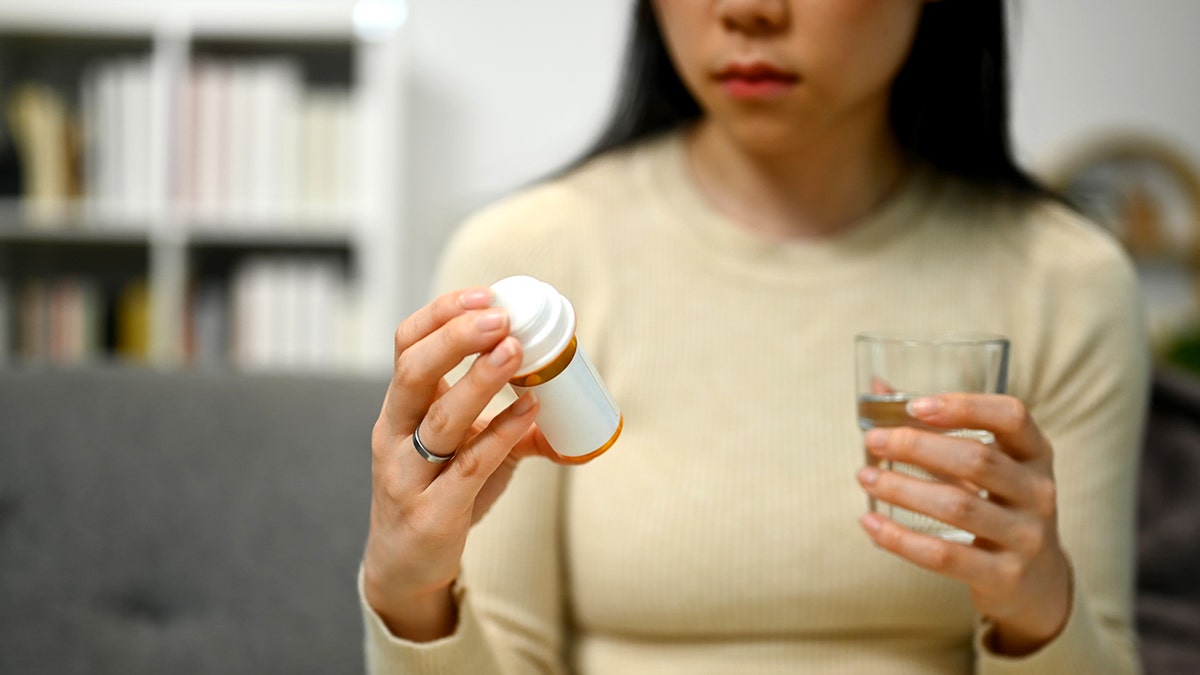
Almost 90% of the drugs studied were found to have an association with microbial changes. (iStock)
The researchers investigated which medications were associated with changes in the microbiome, whether the amount or duration of use strengthened these impacts, and what happened to a patient when a medication was started or stopped.
CLICK HERE FOR MORE HEALTH STORIES
Of 186 drugs tested, 167 (89.8%) were related to at least one microbial effect.
Even when taken years before the study, many medications still had an association with microbiome variation, including antibiotics, psycholeptics, antidepressants, proton pump inhibitors (PPIs), beta-blockers, and benzodiazepine derivatives, the researchers found.
CLICK HERE TO SUBSCRIBE TO OUR HEALTH NEWSLETTER
For some medications, more frequent or prolonged use was associated with a stronger alteration in the microbiome, suggesting that these effects accumulate over time.
The study also found that starting and stopping certain medications, particularly PPIs, SSRIs, and some antibiotics, could lead to changes in the microbiome.
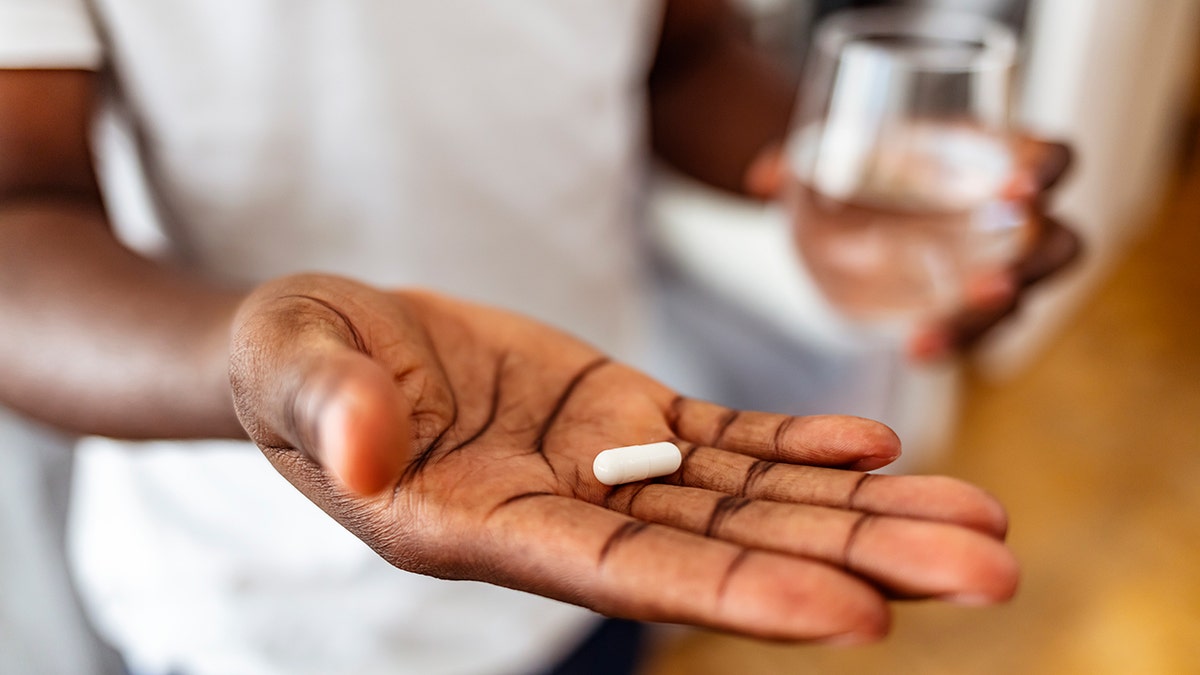
Antibiotics, psycholeptics, antidepressants, proton pump inhibitors (PPIs), beta blockers and other medications have an effect on the microbiome, according to the study. (iStock)
News Senior Medical Analyst Dr. Marc Siegel shared with News Digital the old saying, “You are what you eat.”
“It may turn out that you also depend on the medications you take,” he said of the new study.
TRY OUR LATEST LIFESTYLE QUIZ
Siegel noted that these findings are “not surprising,” as the gut flora is fragile and can be “easily altered by active chemicals.”
“It may have short- and long-term implications for metabolic processes, and not only for the health of the gastrointestinal system, but also for the brain, due to the direct links between the gut and the brain through the vagus nerve,” he said.
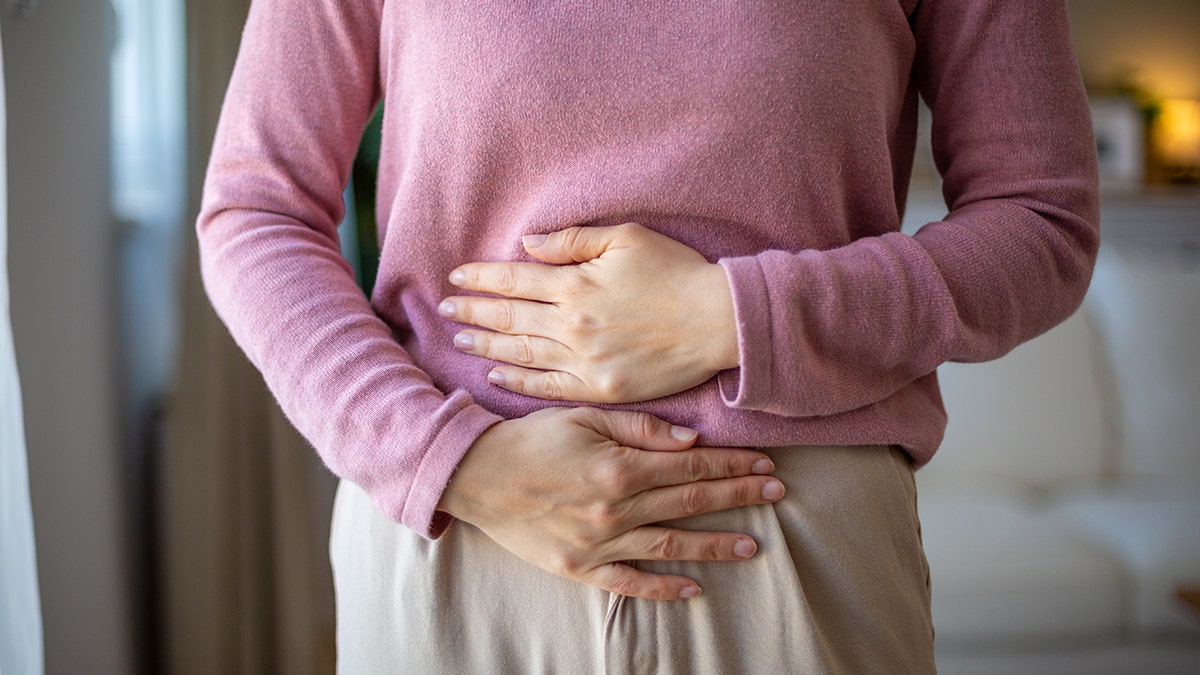
The intestinal flora is fragile and can be “easily altered by active chemicals,” confirmed a doctor. (iStock)
The doctor added: “This is a study with important implications that should lead to much more research, especially connecting intestinal flora altered by various medications with various diseases.”
Potential limitations
The study authors noted some limitations in their research, including the fact that it only focused on prescription medications and did not consider the effects of over-the-counter medications.
There was also a possibility that some people taking antibiotics had underlying health problems that could have also affected gut health. Diet, lifestyle and other factors could also have played a role.
“This is a study with important implications that should lead to much more research.”
Additionally, electronic medical record data may have been incomplete or unclear in some cases.
The researchers also analyzed only stool samples, meaning that microbial changes in some regions of the intestine may have been missed.
CLICK HERE TO GET THE News APP
“We highlight the importance of considering drug use history when evaluating associations between diseases and microbiomes,” the authors stated in the journal publication.
“Taken together, our results expand the understanding of drug effects on the microbiome, and we encourage researchers to focus on long-term drug effects whenever possible.”
Angelica Stabile is a lifestyle reporter for News Digital.