



Red light therapy could improve brain health in certain groups, new research suggests
NEWNow you can listen to News articles!
Red light therapy has been shown to reduce brain inflammation, protecting people who suffer traumatic brain injury from long-term health consequences, a University of Utah study has shown.
Brain damage caused by repeated impacts over years is known to cause cognitive symptoms, ranging from memory problems to full-blown dementia, particularly affecting soldiers and athletes.
According to the Mayo Clinic, chronic traumatic encephalopathy (CTE) is a progressive, degenerative brain disease related to repeated impacts to the head rather than a single injury.
ALZHEIMER’S SCIENTISTS FIND KEY TO STOP BRAIN DECLINE BEFORE SYMPTOMS
According to the new study, published in the Journal of Neurotrauma, more than 100 former NFL football players have been posthumously diagnosed with CTE.
Other research has shown that military personnel in active combat suffer similar problems, as do first responders and veterans.
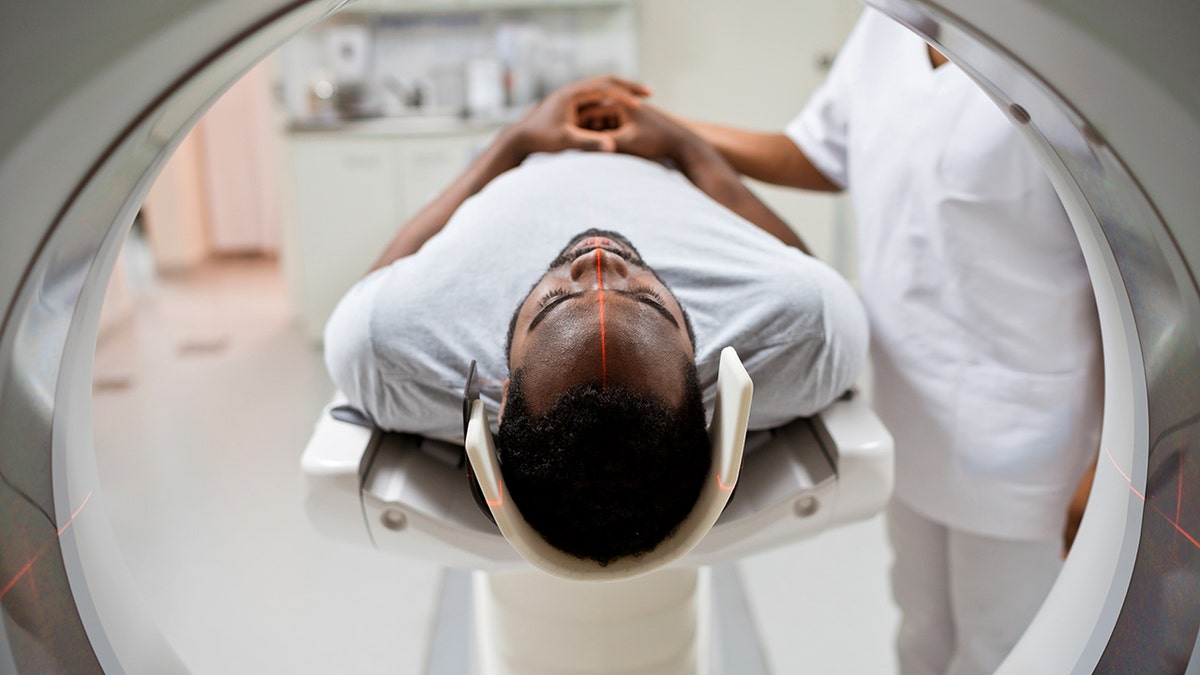
The treatment was administered three times a week for 20 minutes using specialized headphones and intranasal devices designed to penetrate the skull. (iStock)
In the new study, researchers recruited 26 current football players to understand more about the impact of red light therapy on brain injuries.
Participants received red light therapy delivered through a light-emitting headset and a device worn on the nose, or a placebo treatment with an identical device that does not produce light. The players self-administered the therapy three times a week, 20 minutes each time, for 16 weeks.
CLICK HERE FOR MORE HEALTH STORIES
“My first reaction was, ‘There’s no way this could be real,'” first author Hannah Lindsey, Ph.D., said in the university’s news release. “That’s how surprising it was.”
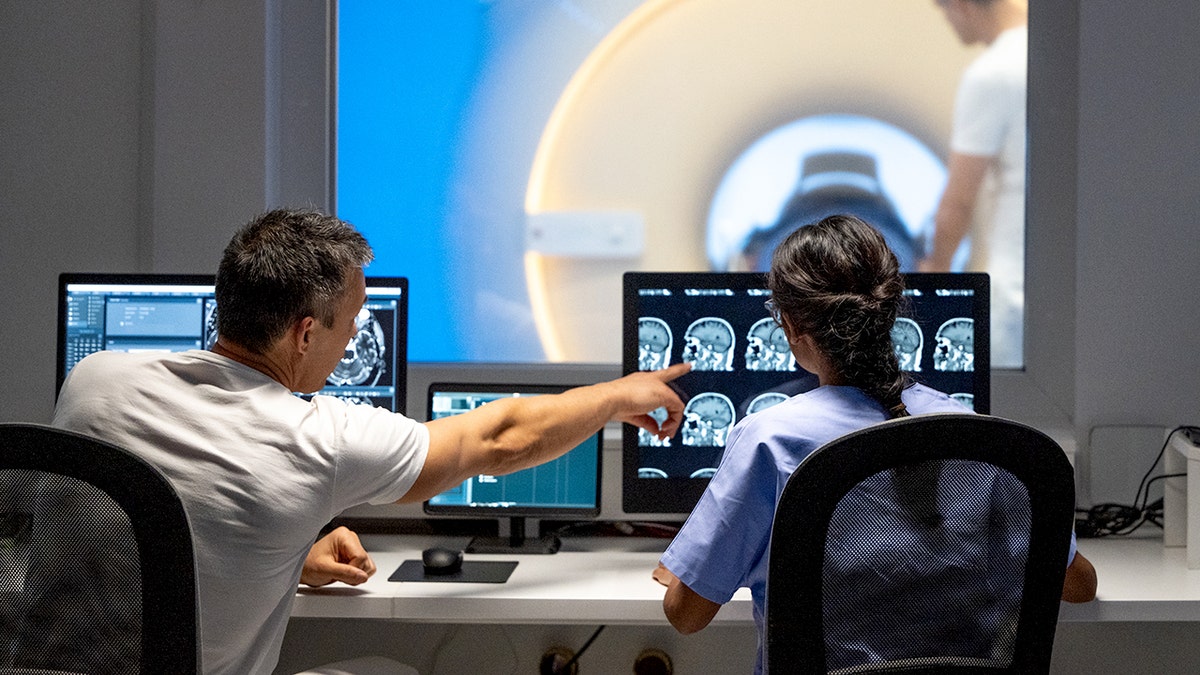
Specific wavelengths of light are thought to enter the brain and reduce molecules that trigger inflammation, potentially stopping the path to dementia and other cognitive conditions. (iStock)
Players who used the placebo treatment experienced an increase in brain inflammation throughout the season. Magnetic resonance imaging (MRI) taken at the end of the season showed significantly more signs of inflammation than at the beginning of the season, the study found.
For players who used red light therapy during the season, brain inflammation did not increase at all.
ALZHEIMER’S RISK COULD INCREASE WITH COMMON CONDITION THAT AFFECTS MILLIONS, STUDY FINDS
Previous studies have shown that red light, if powerful enough, can penetrate the skull and reach the brain, where it can reduce molecules related to inflammation.
CLICK HERE TO DOWNLOAD THE News APP
“When we started this project, I was extremely skeptical,” said Elisabeth Wilde, Ph.D., lead author of the study. “But we’ve seen consistent results in several of our studies, so it’s starting to be pretty convincing.”
Limitations of the study
The study was conducted using a small sample size, which led to different levels of inflammation in the treatment and control groups, the researchers acknowledged.
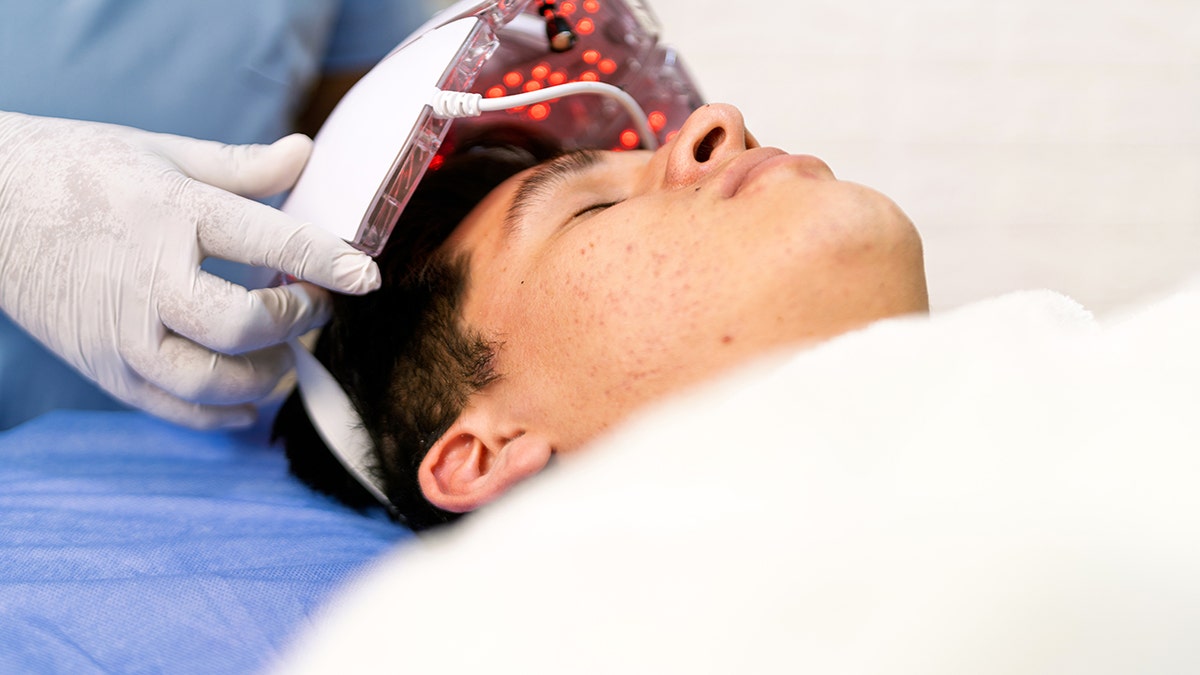
While the placebo group showed an increase in brain inflammation during football season, those receiving red light therapy showed no increase in inflammatory markers. (iStock)
Future large randomized clinical trials will be “crucial to supporting the results” in larger populations, they noted.
CLICK HERE TO SUBSCRIBE TO OUR HEALTH NEWSLETTER
“We’ve been trying to figure out how to make sports safer, so that our children, friends and family can participate in sports safely over the long term while participating in activities that bring them happiness and joy,” Carrie Esopenko, Ph.D., second author of the study, said in the release.
“And this really seems like part of the hope of protecting the brain that we’ve been looking for.”
TRY OUR LATEST LIFESTYLE QUIZ
The team plans to recruit 300 people with persistent symptoms of traumatic brain injury or concussion for a randomized controlled trial in 2026, focusing on first responders, veterans and active-duty service members.
Khloe Quill is a lifestyle production assistant at News Digital. She and the lifestyle team cover a range of topics including food and drink, travel and health.