



RFK thought food stamps could end hunger. RFK Jr. says they cause illness.
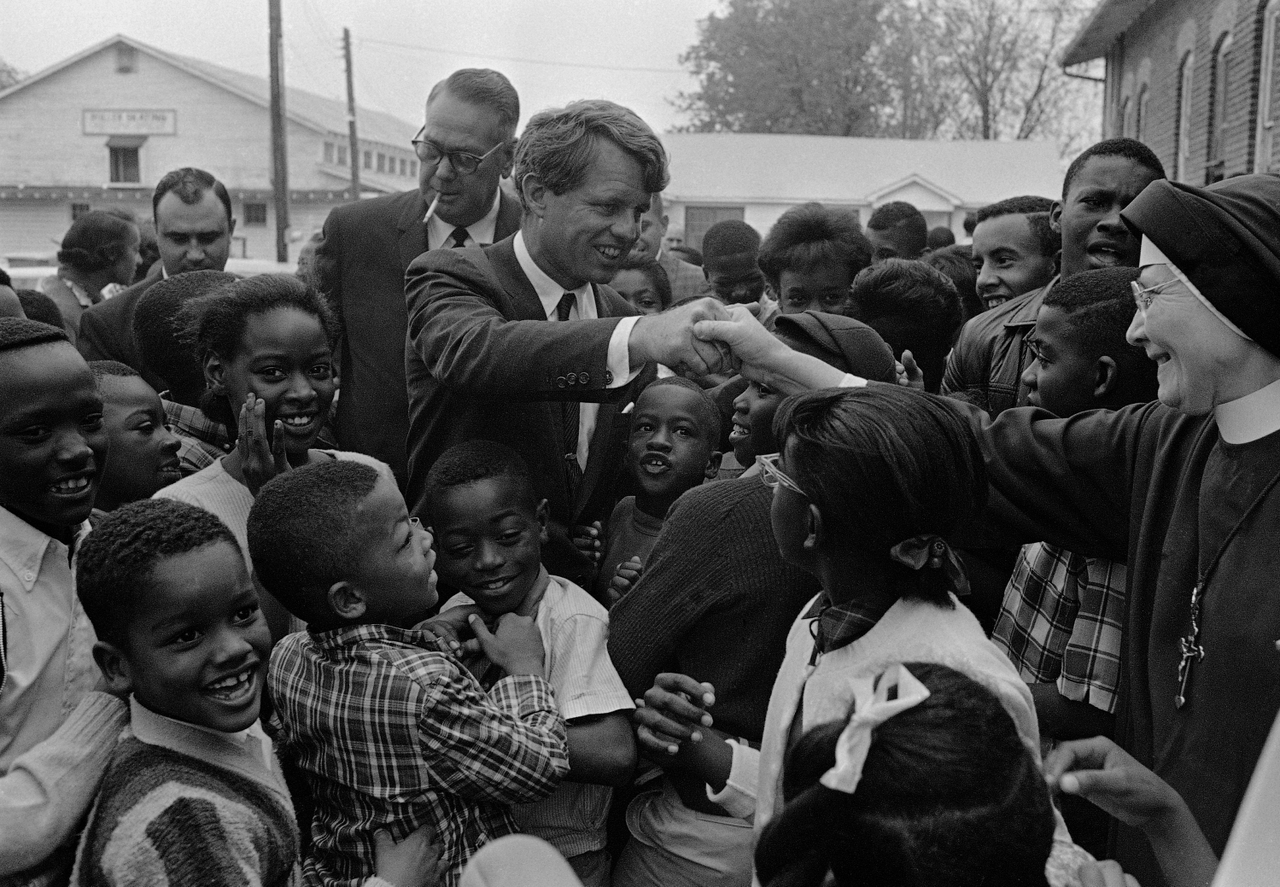
As a Democratic senator and future presidential candidate, Robert F. Kennedy traveled to Mississippi in 1967 to expose a shocking problem: children dying of hunger.
During the trip, Kennedy met a family in their windowless shack and spent several minutes trying to talk to their 2-year-old daughter, but the girl was unresponsive. I was too hungry. Her mother explained that they couldn’t afford food stamps, which back then had to be purchased before they could be redeemed for food.
“I saw conditions of extreme hunger,” Kennedy said after returning to Washington. “I saw people who only had one meal a day or one meal every other day.”
The senator’s visit attracted media attention and follow-up investigations, including a News broadcast that showed hungry babies up close. Kennedy urged his fellow lawmakers to expand the Food Stamp Program. Within decades, hunger would be eradicated in the United States.
Now that obesity is more prevalent than hunger, Kennedy’s son, Robert F. Kennedy Jr., has taken a leading role in advocating for the eradication of soda and candy from the Supplemental Nutrition Assistance Program, the successor to the Food Stamp Program. Kennedy has accused SNAP of literally “poisoning” children.
“We are poisoning 60% of our children who receive food stamps,” Kennedy said in August. “We’re poisoning them and giving them diabetes, and we’re paying for it up front with food stamps and we’re paying for it again with Medicaid.”
It’s a striking historical coincidence: father and son at the beginning and possible end of the federal government’s fight against hunger, a fight that has largely already been won.
News
Kennedy’s crusade against SNAP candy comes as the Trump administration prepares to implement an entirely separate set of cuts recently enacted by Congress, including a structural change to the program that Kennedy’s father specifically warned against.
Sharon Parrott, president of the liberal Center on Budget and Policy Priorities, said the administration could lose hard-won progress against hunger.
“I think we run the risk of regressing on that in really serious ways that people don’t recognize,” Parrott said.
For decades, SNAP recipients have been able to use their benefits to purchase any food not prepared at a grocery store. Republicans have often complained about their purchases, and now Kennedy has encouraged states to apply for “waivers” from existing SNAP rules so they can ban certain categories of food, something previous administrations, including Trump’s, refused to allow. So far this year, a dozen states have signed on and it could be one of the biggest changes ever made to the federal government’s flagship anti-hunger program. More than 22 million households containing 42 million people receive SNAP benefits.
As President Donald Trump’s health secretary, Kennedy is best known for pushing vaccine quackerybut junk food bans have been another pillar of his “Make America Healthy Again” agenda. He has noted that candy along with food additives and Tylenol contribute to low sperm counts, obesity, autism and diabetes among our nation’s youth.
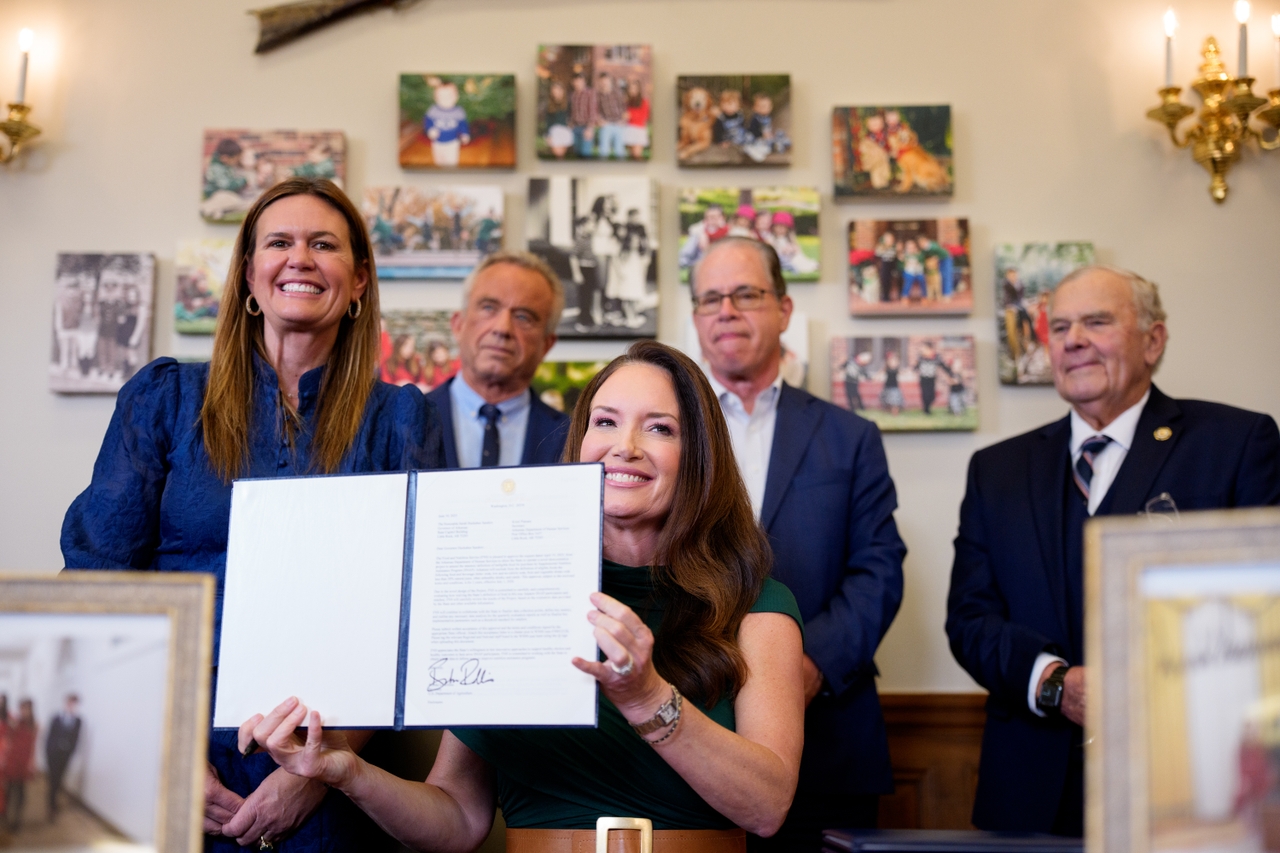
“If you want to buy a sugary soft drink, you should be able to, but the American taxpayer shouldn’t have to pay for it,” Kennedy said at an event with U.S. Agriculture Secretary Brooke Rollins in August. “American taxpayers should not be paying to feed children, the poorest children in our country, foods that are going to give them diabetes.”
Andrew Harnik/Getty Images
Kennedy heads the Department of Health and Human Services (not the USDA, which actually administers SNAP) and there may be some tension between Kennedy and Rollins. As Kennedy sees it, sugary drinks purchased with SNAP dollars generate health care costs that end up being a problem for HHS.
“Reforming SNAP to reduce consumption of ultra-processed and sugary products helps encourage healthier eating habits among beneficiaries and ensure taxpayer dollars support better health outcomes,” an HHS spokesperson said in a statement, adding that junk food bans are “so valued” by the secretary that states adopting the policy would gain an advantage in bidding for rural health grants.
Starting in January, nine states will prohibit SNAP recipients from using their benefits to purchase certain unhealthy items at grocery stores. in floridaFor example, that means not eating sweets, prepared desserts, soda, or energy drinks. Similar bans will go into effect in three more states later this year, and more states may join.
The state changes will take effect when the Trump administration nationally implements the SNAP cuts that Republicans pushed through Congress earlier this year to help offset some of the cost of trillions in tax cuts. These could have more consequences than junk food bans.
Republicans tightened existing SNAP “work requirements” for able-bodied adults without dependents. that the Congressional Budget Office has said could cut tuition by 2.4 million. The new rules will go into effect next month, at the same time benefits could be delayed by the current government shutdown.
More importantly, for the first time starting in 2027, states will be required to bear up to 15% of the cost of benefits, giving them a strong incentive to reduce enrollment. Millions of people could lose benefits; The CBO said it cannot predict how states might respond, but said some would maintain benefits while “others will modify benefits or eligibility or abandon the program altogether.”
The requirement that states match funds was something RFK Sr. explicitly warned against in the 1960s. “The costs to the states would increase to such a level that many states would have to abandon the program,” Kennedy said at a Senate hearing. Among other things, Kennedy’s trip to Mississippi highlighted disparate living standards in different areas in the absence of a uniform federal nutrition program.
Parrott, president of the Budget Center, said states with the poorest residents would be the most likely to withdraw from the program.
“It could lead to a return of hunger and hardship in some of the same places Bobby Kennedy visited,” Parrott told News themezone.
Since the 1990s, the government has used a metric called “food insecurity” to monitor hunger caused by poverty. The rate of “very low food security”, meaning that a household’s eating patterns were disrupted and food intake was occasionally reduced due to lack of money, has ranged between 4% and 6% over the past 15 years. The Trump administration announced last month would cancel future annual reports on food insecurity, calling them meaningless “liberal fodder.”
Kerry Kennedy, RFK Jr.’s sister and president of Robert F. Kennedy Human Rights, a group dedicated to the elder Kennedy’s senatorial legacy, said her father would deplore the Trump administration’s cuts to food benefits.
“My father dedicated his life to fighting hunger and poverty in America. He walked through the Mississippi Delta and Appalachia to shine a light on starving children in the richest country on Earth. He believed that government has a moral duty to help people, not oppress them,” said Kerry Kennedy.
“Advocating for healthier eating is one thing,” he continued. “But cutting SNAP, imposing stricter work requirements, eliminate obesity prevention programsand expelling legally present immigrants from the program betrays the compassion and justice to which he dedicated his life.”
Pete Marovich/The Washington Post/Getty Images
For years, Republicans have occasionally pushed to eliminate junk food and soda from SNAP, but met fierce resistance from both Democrats and the food industry. However, opposition may have begun to weaken amid persistently high obesity rates and growing awareness that sweetened drinks can be unhealthy. That’s why Colorado Gov. Jared Polis, a Democrat, joined the MAHA movement by asking the Trump administration for leeway to block “refreshments” from SNAP sales, even though Colorado has the lowest obesity rate of any state.
“Sadly, even Colorado’s lowest obesity rate of 24.9% is too high and endangers and shortens the lives of too many Coloradans,” Polis said in August when he announced the request.
TO 2011 USDA study found that sweetened beverages were a top expense for both SNAP and non-SNAP households. TO 2013 study found that “SNAP participants have a small and statistically significant disadvantage in terms of diet quality compared to comparable nonparticipants.” TO information me 2015 found that SNAP recipients were more likely to be obese. According to the Centers for Disease Control and Prevention, about 40% of adults in the United States are obese.
In an analysis of the available research, the The Congressional Budget Office has said it is unclear how nutritional restrictions could affect the health of SNAP recipients or the federal budget. After all, they will be able to use SNAP for some of their purchases and cash for another, which is already common practice.
After returning from Mississippi in 1967, Kennedy told his fellow senators during a hearing that he had seen “children with distended stomachs and sores on their lips due to malnutrition.”
One senator said Kennedy was speculating, since the children may have had large stomachs due to overeating. “No, no, it wasn’t; because I asked them what they ate,” Kennedy said, according to a transcript.
For Kennedy, it wasn’t just about alleviating hunger for the love of God. He maintained in a speech in the Senate that riots that summer It arose from both economic deprivation and police brutality and racism.
“We cannot denounce extremists who reject our social system if we do not demonstrate that that system is capable of helping people live better lives,” Kennedy said, expressing a worldview heavily influenced by his travels as a senator before a presidential campaign interrupted by an assassin.
For a story from 2017 About the history and underappreciated success of the federal government’s anti-hunger initiatives, I interviewed Peter Edelman, a former aide to Senator Kennedy who accompanied him to the Mississippi Delta. He described Kennedy struggling to interact with a 2-year-old boy.
“This little boy doesn’t seem to be able to stand up, but he appears to be old enough to do so,” Edelman told me. Kennedy was unable to get a response from the boy and left the encounter “shaken.”
It wasn’t just senators who heard Kennedy tell what he had seen. His oldest daughter, Kathleen, vividly remembered the night she returned from Mississippi.
“We sat down to dinner in the dining room, with the crystal chandelier hanging from the ceiling, the table set with a linen and china tablecloth,” Kennedy told Larry Tye, author of a best-selling biography of Robert F. Kennedy. “He told us about the Delta. ‘The families there live in a shack the size of this dining room,’ he said… ‘Do you know how lucky you are, do you know how lucky you are?'”
Still, while Kennedy’s father would likely be “distressed” by much of his son’s work as HHS secretary, such as his anti-vaccine efforts, Tye said he probably wouldn’t mind pushing for better nutrition among SNAP recipients.
“This is something I would probably applaud,” Tye told News themezone.
Like his father before him, Kennedy Jr. has expressed surprise at the apparent poor health of the American children he has seen on his travels.
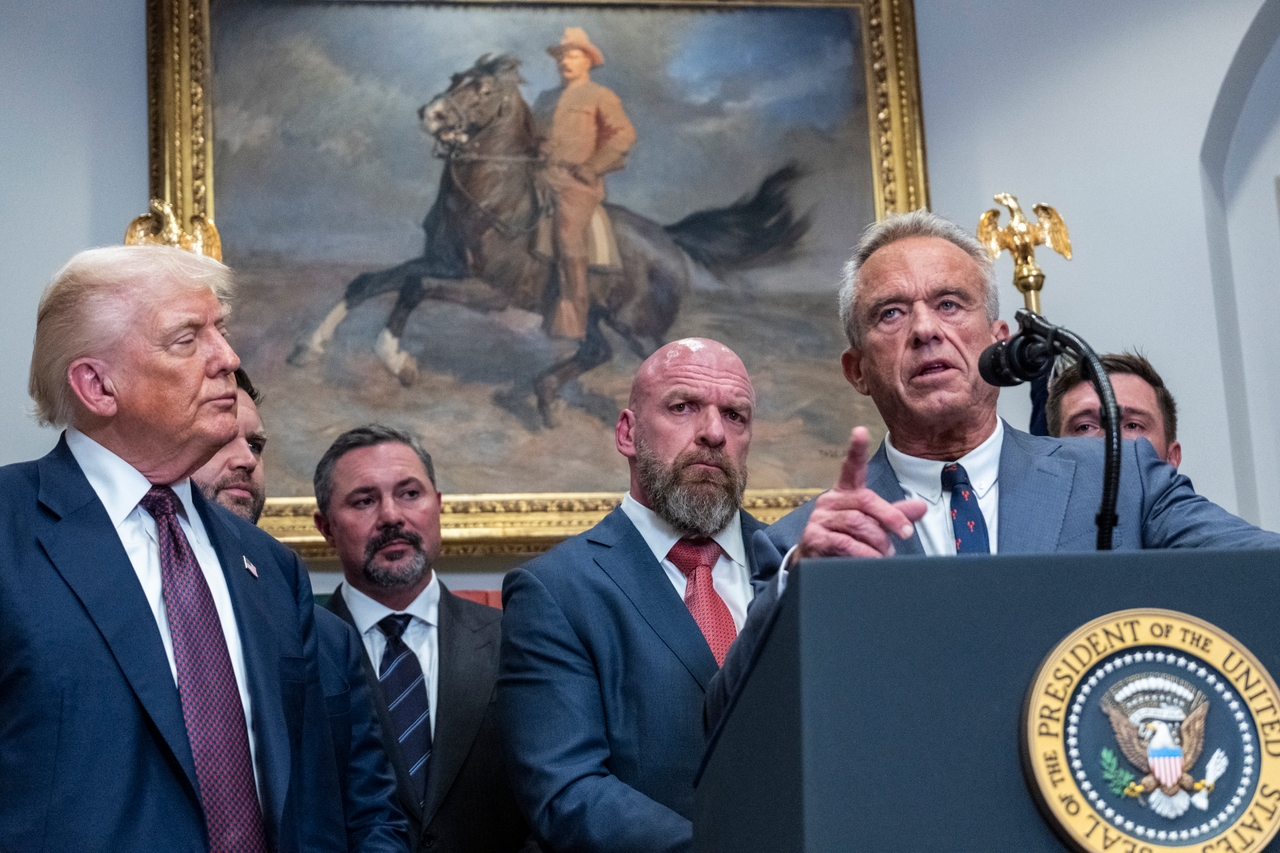
“I know what a healthy child is supposed to look like. I’m looking at kids as I walk through airports today, as I walk down the street, and I see these kids who are overloaded with mitochondrial challenges, with inflammation, you can see it by their faces, by their body movements, and by their lack of social connection,” RFK Jr. said during a ceremony in Texas where Gov. Greg Abbott (R) ceremonially signed several pieces of the MAHA legislation.
RFK Jr. is not a doctor, although even if he were, it is not clear whether it would be possible to diagnose “mitochondrial challenges” when passing people on an airport concourse.
One of the new policies Abbott signed, a ban on the use of SNAP benefits for sugary drinks and sweets, will go into effect next April. Kennedy Jr. suggested that politics could help return America to better times: the time of his youth, when he didn’t know anyone with diabetes or autism, before his uncle and father were murdered.
“We have more chronic diseases than any country in the world, and we know what they are and we know they are the foods we eat,” he said. “We are doing something horrible to our children.”