



Rise in deadly cancer before age 50 linked to common convenience foods
NEWNow you can listen to News articles!
Eating certain types of foods could increase the risk of contracting a deadly cancer at a younger age, researchers say.
A new study from Mass General Brigham has linked higher consumption of ultra-processed foods (largely including ready-to-eat foods with high levels of sugar, salt, saturated fat, and food additives) with higher rates of early-onset colorectal cancer precursors.
Researchers analyzed more than two decades of data on the diets and endoscopy results of nearly 30,000 women born between 1947 and 1964, according to a news release.
EVEN LOW CALORIE PROCESSED FOODS CAUSE WEIGHT GAIN AND TESTOSTERONE LOSS IN MEN, STUDY SUGGESTS
All women, who participated in the Nurses’ Health Study II, underwent at least two lower endoscopies before their 50th birthday.
They completed dietary questionnaires every four years about their consumption of ultra-processed foods.

Eating higher amounts of ultra-processed foods could increase the risk of contracting a deadly cancer at a younger age, according to researchers. (iStock)
Those who reported eating the highest amount of ultra-processed foods (10 servings per day on average) were found to have a 45% increased risk of developing adenomas compared to those who ate the lowest amount (three servings per day).
Adenomas are growths in the lining of the colon or rectum. Although they are benign (non-cancerous), they are considered a type of precancerous polyp and could be an early warning sign of future colorectal cancer.
The results of the study were published in JAMA Oncology.
COMMON OTC MEDICATIONS REDUCE COLORECTAL CANCER RECURRENCE BY HALF
“Our findings support the importance of reducing the intake of ultra-processed foods as a strategy to mitigate the growing burden of early-onset colorectal cancer,” senior author Andrew Chan, MD, chief of the Clinical and Translational Epidemiology Unit and gastroenterologist at Mass General Brigham Cancer Institute, said in a press release.
“The increased risk appears to be fairly linear, meaning that the more ultra-processed foods consumed, the greater the chance of colon polyps.”

Those who reported eating the most ultra-processed foods were found to have a 45% increased risk of developing adenomas compared to those who ate the least. (iStock)
While previous studies have linked ultra-processed foods and colorectal cancer in general, this is the first study to link ultra-processed foods with the early form of the disease, according to the researchers.
CLICK HERE TO GET THE News APP
“One of the strengths of our study was that we had detailed information on other risk factors for colorectal cancer in the participants, such as body mass index, type 2 diabetes and low fiber intake,” Chan said. “Even after taking into account all of these other risk factors, the association with ultra-processed foods still holds.”
Other factors could contribute to the rise in early-onset colorectal cancer, the researchers noted, and some ultra-processed foods are more harmful than others.
CLICK HERE TO SUBSCRIBE TO OUR HEALTH NEWSLETTER
“Diet is not a complete explanation for why we are seeing this trend: We see many people in our clinic with early-onset colon cancer who eat very healthy diets,” Chan said.
“Identifying other risk factors for early-onset colorectal cancer is one of the goals of the work we lead here at Mass General Brigham Cancer Institute.”
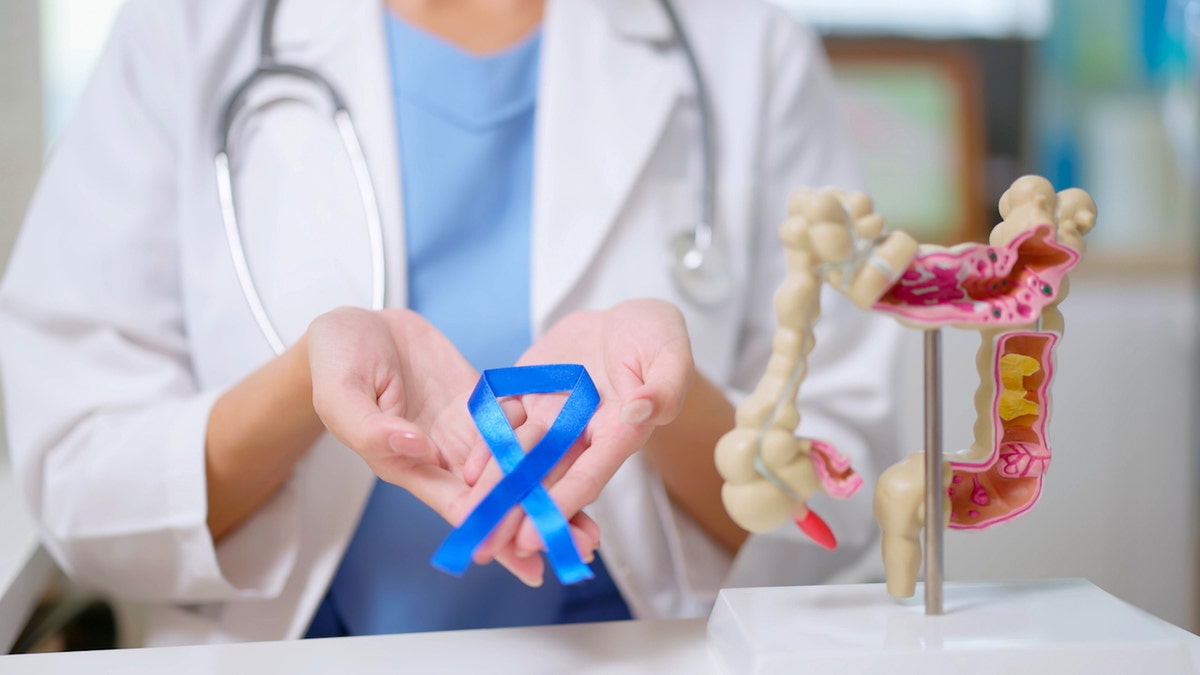
“The increased risk appears to be fairly linear, meaning that the more ultra-processed foods consumed, the greater the chance of colon polyps,” said the lead researcher. (iStock)
Dr. Marc Siegel, senior medical analyst for News, noted that the study is observational (and therefore cannot prove causality), but it is “very exciting, because it fits with what is becoming increasingly clear about these drugs.”
“That is, they are systemic anti-inflammatory agents that overcome insulin resistance and improve metabolic function,” Siegel, who was not involved in the research, told News Digital.
“A warning: it may not be for everyone.”
“It is a disorder of metabolism, especially when accompanied by inflammatory chemicals that can form precursors to cancer, including colon cancer.”
The doctor said he believes more studies will confirm that GLP-1 can reduce the risk of several types of cancer.
TRY OUR LATEST LIFESTYLE QUIZ
“A word of caution: It may not be for everyone,” Siegel said. “The delay in gastric emptying that accompanies these medications could be a carcinogenic factor in some patients, perhaps in those with inflammatory bowel disease.”
CLICK HERE FOR MORE HEALTH STORIES
The study was funded in part by Cancer Research UK, the National Institutes of Health/National Cancer Institute, and the American Cancer Society.
In the US, colorectal cancer is the third most common cancer and the second leading cause of cancer death. It is estimated that in 2025 there will be 154,000 new cases and about 52,900 deaths.
Melissa Rudy is a senior health editor and member of the lifestyle team at News Digital. Story tips can be sent to melissa.rudy@News.com.