



Robots that feel pain react faster than humans
NEWNow you can listen to News articles!
Touch something hot and your hand recoils before you even think. That fraction of a second matters.
Sensory nerves in the skin send a quick signal to the spinal cord, which activates the muscles immediately. Your brain catches up later. Most robots cannot do this. When a humanoid robot touches something harmful, data from the sensor typically travels to a central processor, waits for analysis, and then sends instructions to the motors. Even small delays can lead to broken parts or dangerous interactions.
As robots reach homes, hospitals and workplaces, that delay becomes a real problem.
A robotic skin designed to imitate the human nervous system
Scientists from the Chinese Academy of Sciences and collaborating universities are addressing this challenge with a neuromorphic robotic electronic skin, also known as NRE skin. Instead of acting as a simple pressure pad, this skin functions more like a human nervous system. Traditional robot skins can know when they are touched. They cannot tell if that contact is harmful. The new e-skin can do both. That difference changes everything.
Sign up to receive my FREE CyberGuy report
Get my best tech tips, urgent security alerts, and exclusive offers delivered straight to your inbox. Plus, you’ll get instant access to my Ultimate Guide to Surviving Scams, free when you join me CYBERGUY.COM information sheet.
CES 2026 SHOWSTOPPERS: 10 DEVICES YOU MUST SEE
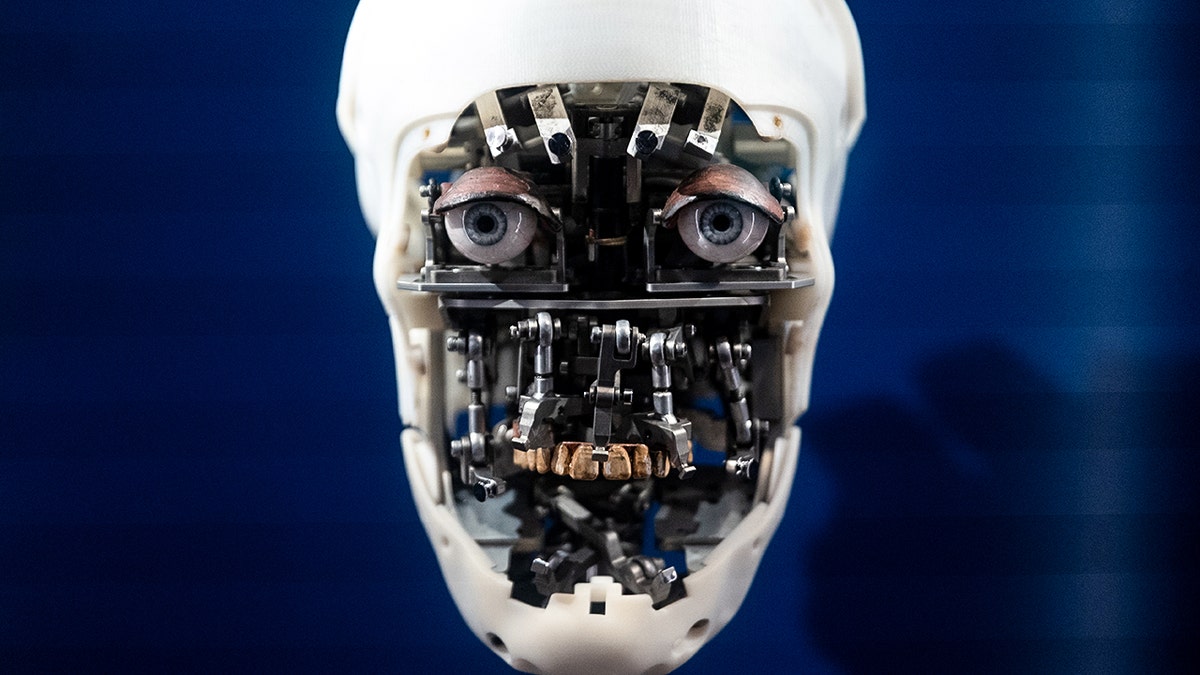
A humanoid robot equipped with neuromorphic electronic skin reacts instantly to harmful contact, mimicking the human nervous system to prevent harm and improve safety. (Eduardo Parra/Europa Press via Getty Images)
How neuromorphic electronic skin works
The e-skin is built in four layers that reflect how human skin and nerves work. The top layer acts as a protective outer covering, similar to the epidermis. Underneath are sensors and circuits that behave like sensory nerves. Even when nothing touches the robot, the skin sends a small electrical pulse to the robot every 75 to 150 seconds. This signal acts as a status check saying everything is fine. When the skin is damaged, that pulse stops. The robot immediately knows where it was injured and alerts its owner. Touch creates another signal. Normal contact sends neural-type spikes to the robot’s central processor for interpretation. However, extreme pressure triggers something different.
How robots detect pain and trigger instant reflexes
If the force exceeds a preset threshold, the skin generates a high voltage spike that goes directly to the motors. This completely bypasses the central processor. The result is a reflection. The robot can retract its arm instantly, much like a human does after touching a hot surface. The pain signal only appears when the contact is truly dangerous, which helps avoid an exaggerated reaction. This local reflex system reduces damage, improves safety, and makes interactions feel more natural.
ROBOTS LEARN 1,000 TASKS IN ONE DAY FROM A SINGLE DEMONSTRATION
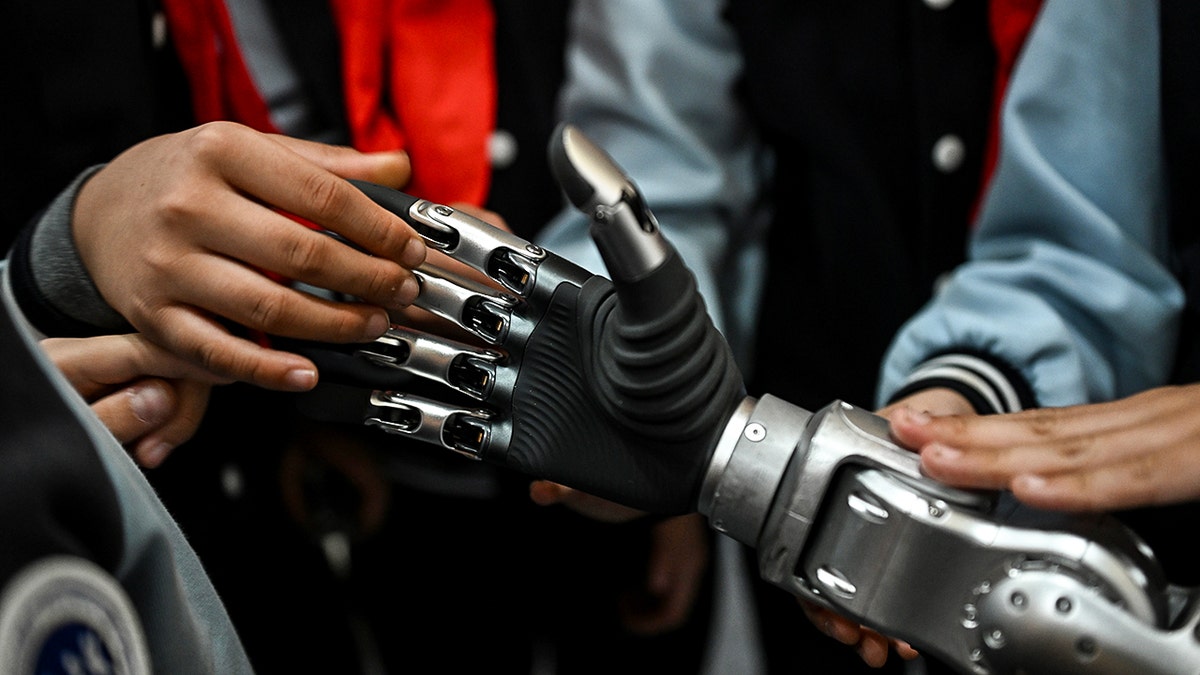
Scientists have developed a robotic skin that can detect pain and trigger reflexes without waiting for a central processor to respond. (China News Service.
Self-healing robotic skin makes repairs quickly
The design includes another clever feature. The e-skin is made of magnetic patches that fit together like building blocks. If part of the skin is damaged, the owner can remove the affected patch and apply a new one in a matter of seconds. It is not necessary to replace the entire surface. That modular approach saves time, reduces costs and keeps robots in service longer.
Why pain-sensitive skin is important for real-world robots
Future service robots will have to work close to people. They will assist patients, assist seniors, and operate safely in crowded spaces. A sense of touch that includes pain and injury detection makes robots more aware and more reliable. It also reduces the risk of accidents caused by delayed reactions or sensor overload. The research team says its neural-inspired design improves robotic touch, safety, and intuitive human-robot interaction. It’s a key step toward robots that behave less like machines and more like responsive partners.
What this technology means for the future of robots
The next challenge is sensitivity. Researchers want the skin to recognize multiple touches at the same time without confusion. If successful, robots could perform complex physical tasks while remaining alert for danger across their entire surface. This brings humanoid robots one step closer to acting on instinct.
ROBOT STUNS CROWD AFTER SHOCKING REVEAL ON STAGE
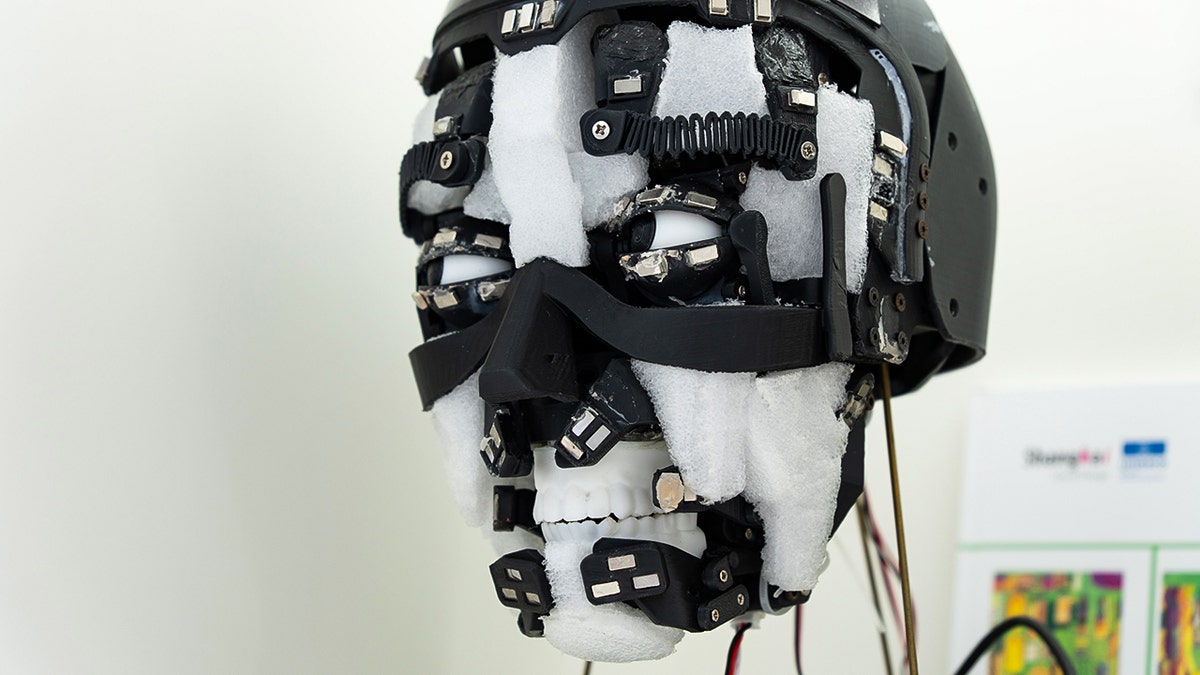
A new electronic skin design allows robots to move away from dangerous contact in milliseconds, reducing the risk of injury or mechanical failure. (CFOTO/Future Publishing via Getty Images)
Take my quiz: How safe is your online security?
Do you think your devices and data are really protected? Take this quick quiz to see where you stand digitally. From passwords to Wi-Fi settings, you’ll get a personalized breakdown of what you’re doing well and what you need to improve. Take my quiz here: Cyberguy.com.
Kurt’s Key Takeaways
Robots that can feel pain may seem unsettling at first. In reality, it is about protection, speed and security. By copying how the human nervous system works, scientists are giving robots faster reflexes and better judgment in the physical world. As robots become part of daily life, those instincts could make a difference.
Would you feel more comfortable with a robot if it could sense pain and react instantly, or does that idea raise new concerns for you? Let us know by writing to us at Cyberguy.com.
CLICK HERE TO DOWNLOAD THE News APP
Sign up to receive my FREE CyberGuy report
Get my best tech tips, urgent security alerts, and exclusive offers delivered straight to your inbox. Plus, you’ll get instant access to my Ultimate Guide to Surviving Scams, free when you join me CYBERGUY.COM information sheet.
Copyright 2026 CyberGuy.com. All rights reserved.
Kurt “CyberGuy” Knutsson is an award-winning technology journalist with a deep love for technology, gear and devices that improve lives with his contributions to News and News Business since mornings on “News & Friends.” Do you have any technical questions? Get Kurt’s free CyberGuy newsletter, share your voice, a story idea or comment on CyberGuy.com.