



Study challenges negative stereotypes of cannabis, claims link to brain benefits
NEWNow you can listen to News articles!
While cannabis has recently been criticized for potential negative health risks, a recent study suggests that its use could increase brain volume and cognitive fitness.
Researchers at the University of Colorado Anschutz Medical Campus analyzed the cannabis use, brain scans and cognitive test results of more than 26,000 adults aged 40 to 77, using data from the UK Biobank.
The study found that cannabis users, particularly those who reported moderate lifetime use, showed increased volumes in several brain regions.
ALZHEIMER’S DECLINE COULD SLOW DRAMATICALLY WITH A SIMPLE DAILY HABIT, STUDY FINDS
“Compared to people with no history of cannabis use, those who reported using cannabis showed larger volumes in several brain regions characterized by a high density of cannabinoid receptors (CB1), regions involved in processes such as memory, information processing, and emotion regulation,” the study’s lead author, Anika Guha, Ph.D., a researcher at the University of Colorado Anschutz Medical Campus, told News Digital.

A recent study suggests that cannabis use may increase brain volume and cognitive fitness. (iStock)
Cannabis users also scored better on cognitive tests measuring learning, processing speed and executive function.
This result differs from many previous studies, which have focused on short-term cognitive decline during or shortly after cannabis use, the researcher noted.
‘HIGH JANUARY’ DRIVES CANNABIS RISE AS EXPERTS POINT SOME SERIOUS HEALTH DANGERS
“These findings suggest that the relationship between cannabis and the brain may differ across the lifespan, and that moderate use in middle or late adulthood may be associated with positive brain health outcomes,” Guha said.
Not all areas of the brain showed positive effects among cannabis users. The posterior cingulate, which is involved in self-reflection and memory, had smaller volume with greater marijuana use.
“The bottom line is not that people should start using more cannabis based on these findings alone.”
As cannabis has been gaining popularity among all ages, this type of study is important to understand its long-term effects and the pros and cons of its use, according to Matt Glowiak, Ph.D.chief addiction specialist at Recovered, an organization that provides information and resources for mental health and addiction treatment.
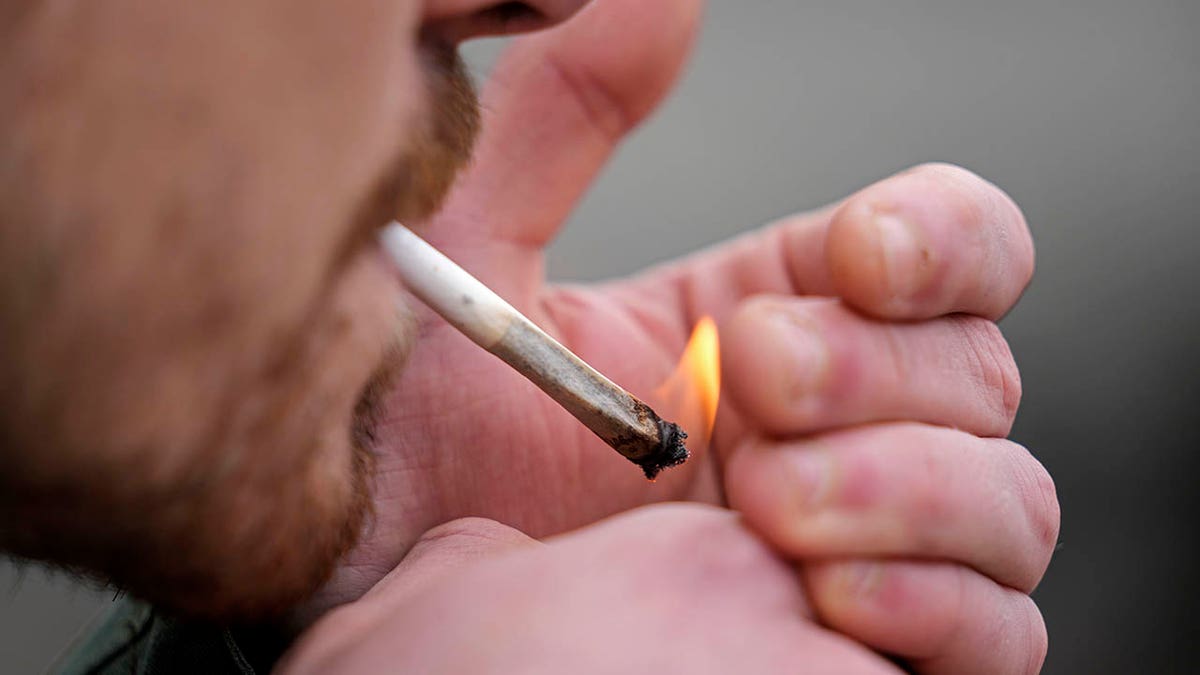
The effects of the drug are likely to depend on factors such as age, dose, frequency, product composition, and individual vulnerability. (AP Photo/Martin Meissner, File)
“Given the connection between cannabis use and increased brain volume, it is thought that it may help [older] individuals retain cognitive function that might otherwise decline naturally,” Chicago-based Glowiak, who was not involved in the study, told News Digital.
“This is a huge benefit, but we need to explore it a little further, before encouraging those who would not otherwise consider integrating cannabis into their healthcare regimen.”
Limitations and warnings
As the study was observational in nature, it could not prove that cannabis use improves brain health; instead, it only showed an association, according to Dr. Marc Siegel, senior medical analyst for News, who was not involved in the study.
“The preponderance of prior evidence does not match improved cognitive function from chronic cannabis use,” Siegel told News Digital. “This study is an outlier and, while it cannot be ignored, it does not justify its use.”
CLICK HERE TO SUBSCRIBE TO OUR HEALTH NEWSLETTER
The study also drew on the UK Biobank, which offers a “large and rich data set,” Guha said, but is limited to the questions that were originally posed to participants.
“In particular, we only have a broad measure of how many times someone has used cannabis over their lifetime,” he said. “We don’t have access to details about how they used cannabis, such as whether they smoked or consumed edibles, the type or strength of cannabis, or when in their life they used the most.”

Cannabis users scored better in learning, processing speed and executive function. (iStock)
“Those details are likely very important to understanding how cannabis affects the aging brain.”
Given these limitations, Guha suggests that the findings should be seen as an early indicator that cannabis use may be related to brain aging, “and as a starting point for more specific research that can unravel these relationships.”
CLICK HERE FOR MORE HEALTH STORIES
“The bottom line is not that people should start using more cannabis based on these findings alone,” he emphasized. “While cannabis may have potential benefits in some contexts, a significant body of research also documents significant risks, underscoring that cannabis is neither completely beneficial nor completely harmful.”
According to Guha, the drug’s effects likely depend on factors such as age, dosage, frequency, product composition and individual vulnerability.
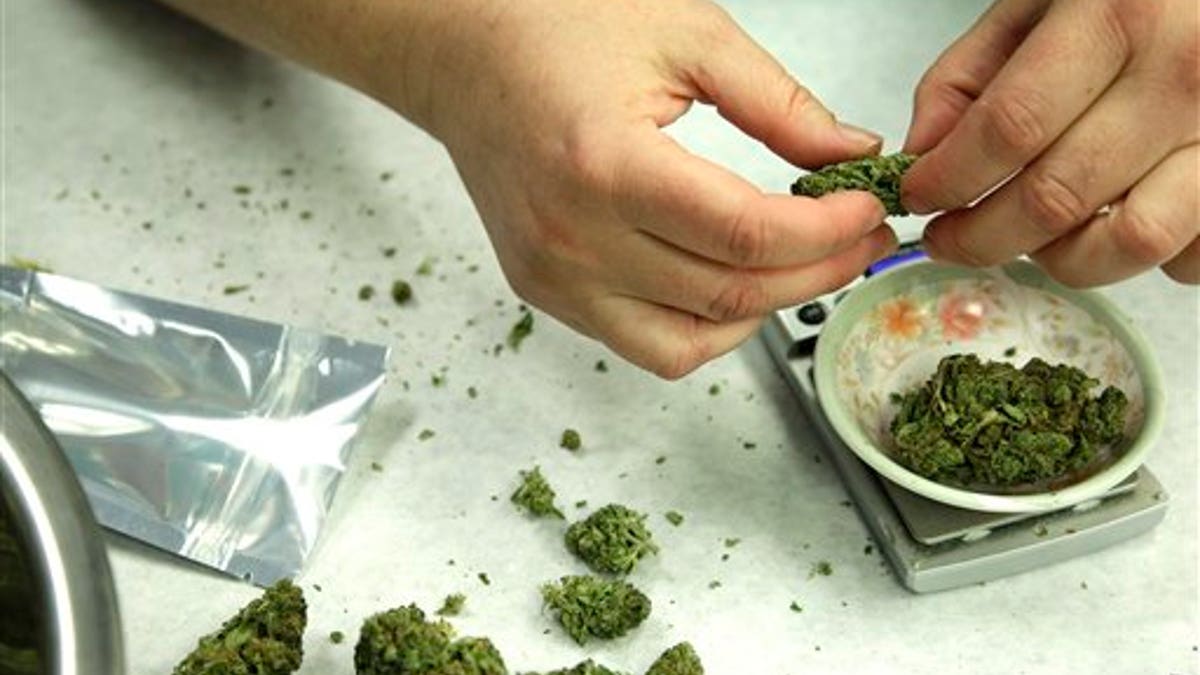
“Given the widespread use and legalization of cannabis, it would be great to know that it is net positive for brain health; however, this seems too good to be true and too early to say,” said one expert. (AP)
“As with any substance, people should consult with a healthcare provider before initiating use, particularly if they have a history of mental health problems, as THC (the main psychoactive component of cannabis) can exacerbate symptoms such as psychosis in vulnerable individuals,” he added.
Dr. Alex Dimitriu, double board certified in psychiatry and sleep medicine and founder of Menlo Park Psychiatry and Sleep Medicinereiterated that this study is an “outlier” as most previous research has shown “harmful effects” of cannabis use.
CLICK HERE TO DOWNLOAD THE News APP
“Given the widespread use and legalization of cannabis, it would be great to know that it is net positive for brain health; however, this seems too good to be true and too early to say,” he said. “I would advise proceeding with caution and moderation.”
TRY OUR LATEST LIFESTYLE QUIZ
Dimitriu agreed that more large-scale studies and review articles are needed to get a “clearer picture.”
“What this cannabis study shows is that there may be conflicting information, which warrants further investigation.”
Melissa Rudy is a senior health editor and member of the lifestyle team at News Digital. Story tips can be sent to melissa.rudy@News.com.