



Tesla builds a car without a steering wheel. And now what?
Take a tour of a Tesla Gigafactory
News host Lara Trump gets a front-row seat at the Tesla Gigafactory in Texas to watch vehicles being assembled on ‘My View with Lara Trump.’
NEWNow you can listen to News articles!
The first Tesla Cybercab officially rolled off the floor at Tesla Gigafactory Texas. And yes, it doesn’t have a steering wheel. There are no pedals either. That alone makes it one of the boldest vehicles ever built for public roads. Elon Musk says production begins in April. For a company known for its ambitious deadlines, that statement stands out. Still, building a car without human controls raises a bigger question. Is the technology ready?
Sign up to receive my FREE CyberGuy report
Get my best tech tips, urgent security alerts, and exclusive offers delivered straight to your inbox. Plus, you’ll get instant access to my Ultimate Guide to Surviving Scams, free when you join me CYBERGUY.COM fact sheet
NEW YORK STOPS ROBOTAXI EXPANSION PLAN
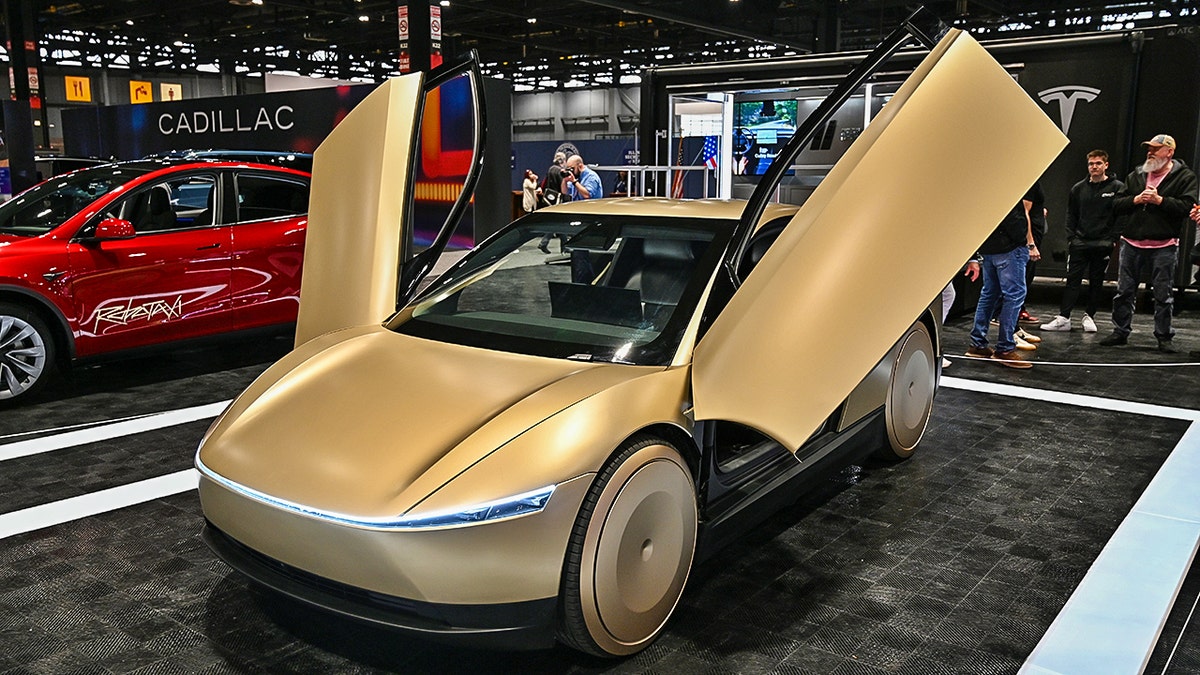
Tesla’s first Cybercab rolled off the Gigafactory Texas production line without a steering wheel or pedals, marking a bold step toward fully autonomous driving. (Photo by Jacek Boczarski/Anadolu via Getty Images)
A robotaxi built entirely around software
The Tesla Cybercab is a two-passenger vehicle designed to function as a fully autonomous taxi. It works with Tesla’s Full Self Driving system. There is no manual override. If the software fails, the passenger will not be able to grab anything. This marks a dramatic change from current robotaxi pilots. Today, Tesla’s Robotaxi testing program uses Model Y vehicles that require human supervision. This is considered level 2 automation. The Cybercab aims for complete autonomy without supervision. Those two standards are worlds apart. Unlike its competitors, Tesla avoids LiDAR. Instead, it relies on a camera-based system powered by neural networks. Musk argues that vision alone can solve autonomy. Critics believe that sensor redundancy is essential in case of bad weather or unpredictable traffic. That debate will intensify once the vehicle hits public roads.
What we know about the Cybercab
Here are the reported specifications:
- two seats
- About 200 miles range
- 35 kWh battery
- Inductive charging
- Target price below $30,000
Tesla appears to be targeting ride-hailing giants like Uber and Lyft. Private ownership may also be possible. If the price holds, Tesla could undercut much of the autonomous competition. However, affordability means little without regulatory approval and proven safety data.
The regulatory challenge ahead
United States federal motor vehicle safety regulations require vehicles to include basic driver controls. A car without a steering wheel does not fit perfectly into those standards. Tesla is reportedly seeking waivers. Regulators now face a difficult decision. Can software alone meet the safety standards that were once defined by mechanical systems? The answer could determine whether Cybercab becomes commonplace or is limited to controlled deployments.
WAYMO’S CHEAPEST ROBOTAXI TECHNOLOGY COULD HELP EXPAND TRAVEL FASTLY
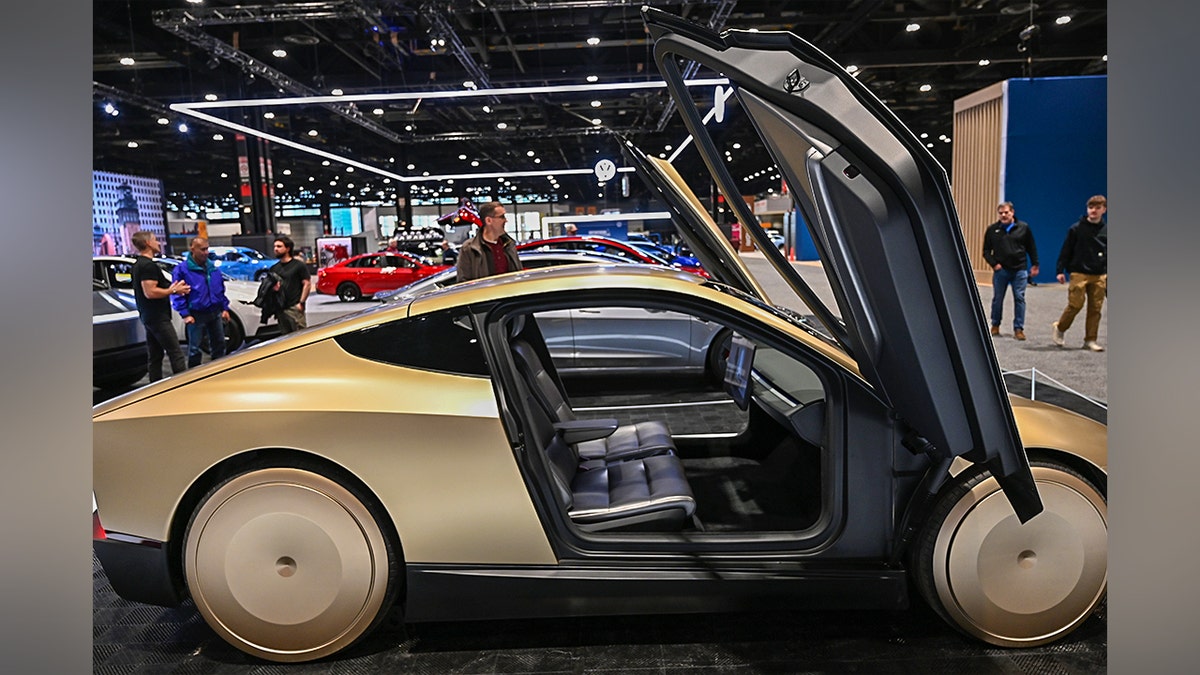
Elon Musk says Cybercab production begins in April as Tesla pushes unattended robotaxi service. (Photo by Jacek Boczarski/Anadolu via Getty Images)
A new way of building cars
Musk has linked the Cybercab to a manufacturing strategy called Unboxed. Instead of a traditional linear assembly line, Tesla builds modules separately before joining them together at the end of production. In theory, this approach reduces factory space and speeds up production. Musk has suggested a potential cycle time of one vehicle every 10 seconds. In reality, initial production may move slowly as Tesla refines the process. Scaling a new car and a new manufacturing model at the same time adds complexity.
The most important question of autonomy
Tesla has built its reputation on bold engineering bets. The Cybercab may be its most ambitious measure yet. Still, fully unsupervised driving has not been widely validated in all weather, traffic, and road conditions. Long-term reliability data remains limited. Competitors use different sensor strategies. Regulators remain cautious. Meanwhile, production moves forward. That tension between speed and test defines this moment.
What does this mean to you?
If Tesla is successful, ride-sharing could become cheaper and more automated. Human drivers may face increasing pressure. Cities could adapt to fleets of driverless vehicles. On the other hand, public trust depends on security. A vehicle without a steering wheel leaves no room for human correction. That changes the psychological contract between the passenger and the machine. As a driver, you may soon get into a car that offers no physical control. That’s a different experience than tapping a driver’s rating on your phone.
Take my quiz: How safe is your online security?
Do you think your devices and data are really protected? Take this quick quiz to see where you stand digitally. From passwords to Wi-Fi settings, you’ll get a personalized breakdown of what you’re doing well and what you need to improve. Take my quiz here: Cyberguy.com.
THE ROBOTAXI PRICE WAR HAS STARTED. HERE’S EVERYTHING YOU NEED TO KNOW.
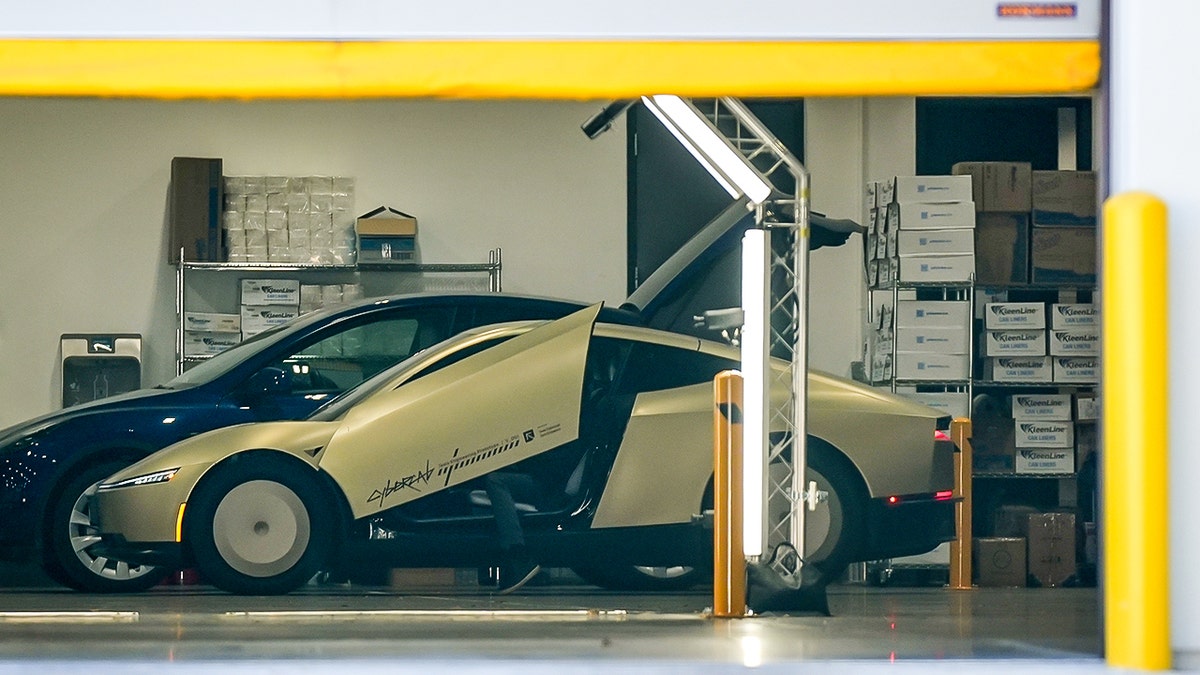
The two-seat Tesla Cybercab relies entirely on camera-based full self-driving software without manual override. (Jay Janner/The Austin American-Statesman via Getty Images)
Kurt’s Key Takeaways
For more than a century, driving has meant control. Hands on the wheel. Foot on the pedal. Eyes on the road. The Cybercab turns that idea on its head. On paper, it sounds efficient. Lower costs. Less human errors. Transportation that works 24 hours a day. That’s the promise. But trust is not based on promises. It is based on experience. On trial. With the feeling that if something goes wrong, you can intervene. Cybercab eliminates that option completely.
So here’s a question: When a Cybercab stops without a steering wheel or pedals, would you feel comfortable enough to get in? Let us know by writing to us at Cyberguy.com.
CLICK HERE TO DOWNLOAD THE News APP
Sign up to receive my FREE CyberGuy report
Get my best tech tips, urgent security alerts, and exclusive offers delivered straight to your inbox. Plus, you’ll get instant access to my Ultimate Guide to Surviving Scams, free when you join me CYBERGUY.COM information sheet.
Copyright 2026 CyberGuy.com. All rights reserved.
Kurt “CyberGuy” Knutsson is an award-winning technology journalist with a deep love for technology, gear and devices that improve lives with his contributions to News and News Business since mornings on “News & Friends.” Do you have any technical questions? Get Kurt’s free CyberGuy newsletter, share your voice, a story idea or comment on CyberGuy.com.