



The hidden reason why scientists say bottled water may not be the cleanest option
NEWNow you can listen to News articles!
Microplastics are a known threat to overall health, and eating and drinking from plastic containers, such as water bottles, could be a big offender, researchers suggest.
A new study published in the Journal of Hazardous Materials analyzed 141 existing scientific papers on microplastics and nanoplastics from single-use plastic water bottles to measure how much plastic people may be ingesting.
Researchers at Concordia University in Montreal, Canada, found that the average person consumes between 39,000 and 52,000 microplastic particles per year, according to a university news release.
PLASTIC WATER BOTTLE LEFT IN A HOT CAR? THINK TWICE BEFORE DRINKING IT
The study found that people who drink bottled water regularly ingest up to 90,000 more particles each year than those who drink mainly tap water.
The researchers noted that nanoplastics are especially concerning, as they are invisible to the naked eye and measure less than 1 micron. They can also enter human cells, cross biological barriers and have the potential to reach organs and tissues, they warned.
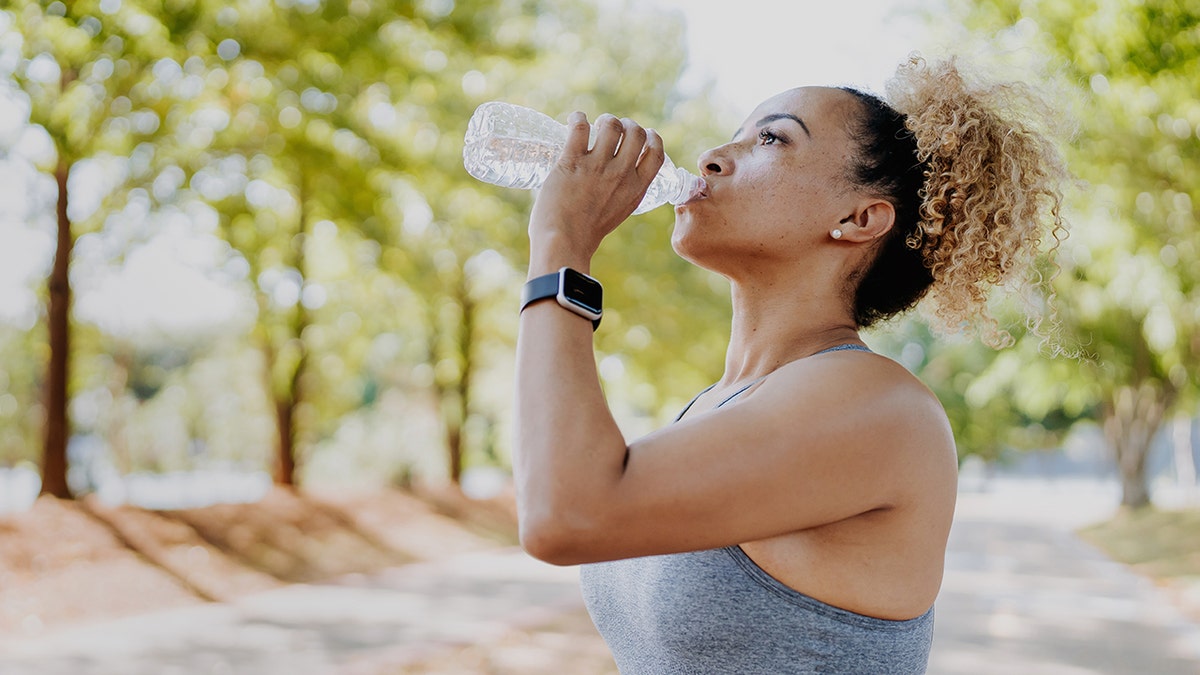
“People need to understand that the problem is not acute toxicity, but chronic toxicity,” said the study’s principal investigator. (iStock)
Both nanoplastics and microplastics have been linked to serious, long-term health complications, including respiratory and reproductive problems, brain and nerve toxicity, and cancer risks.
These particles entering the bloodstream and vital organs can also cause chronic inflammation, oxidative stress in cells and hormonal disruptions, according to the statement.
BOTTLED WATER CONTAINS TENS OF THOUSANDS OF ‘SMALL PLASTIC PARTICLES’ IN NEW STUDY
These small pieces of plastic emerge as bottles are made, stored, transported and broken down, and shed particles when handled and exposed to sunlight or temperature changes, experts warned.
“Long-term effects remain poorly understood due to a lack of widespread testing and standardized measurement and detection methods,” the statement states.
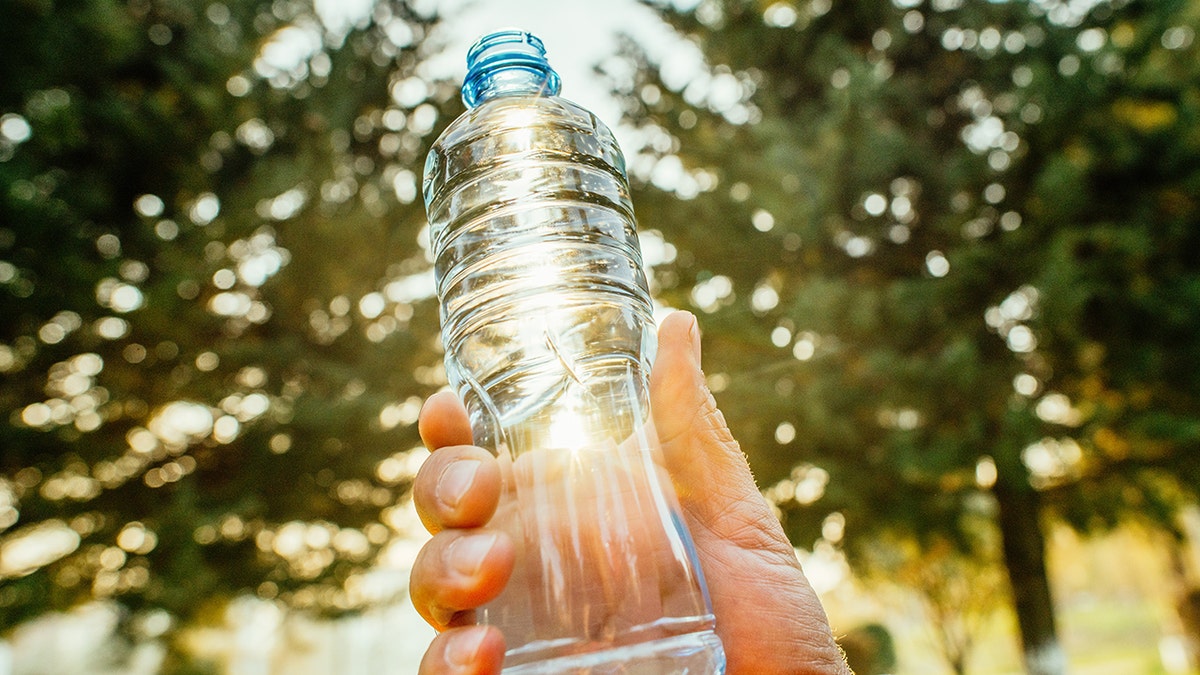
Exposure to sunlight and temperature changes can cause plastic particles to fall, experts warn. (iStock)
The study’s lead author, Sarah Sajedi, an environmental management expert and Ph.D. candidate at Concordia University, reacted to these findings with “deep concern and urgency,” noting that 90,000 additional particles a year is “staggering.”
“The most surprising thing is how little this issue remains studied, despite its widespread impact,” he told News Digital. “My review reveals not only chronic health risks, including inflammation, hormonal disruption, neurotoxicity and cancer, but also the lack of standardized testing methods, making accurate risk assessment and regulatory action difficult.”
CLICK HERE TO GET THE News APP
Sajedi recommends opting for reusable water bottles made of stainless steel or glass, drinking filtered tap water when possible, keeping plastic bottles away from heat or sunlight, and avoiding squeezing or opening and closing them repeatedly.
“Drinking water from plastic bottles is fine in an emergency, but it is not something that should be used in daily life,” he added in a press release. “People need to understand that the problem is not acute toxicity, but chronic toxicity.”
People who drink bottled water regularly ingest up to 90,000 more particles each year than those who drink primarily tap water. (iStock)
The analysis had some limitations, the researchers noted. Different testing methods were used in the numerous studies, so the results are not always comparable. Some also lacked data on the size and composition of these particles.
Researchers called for more standardized testing and stricter policies to control plastic contamination in bottled water.
The review was supported by the Natural Sciences and Engineering Research Council of Canada and Concordia University.
Industry representatives speak
In January 2025, the International Bottled Water Association issued a statement related to the risk associated with microplastics and nanoplastics, noting that bottled water is among thousands of food and beverage products that are packaged in plastic containers.
CLICK HERE TO SUBSCRIBE TO OUR HEALTH NEWSLETTER
“The bottled water industry is committed to providing consumers with the safest and highest quality healthy hydration products,” the statement on the IBWA website says. “Micro- and nanoplastics are found everywhere in the environment: in the air, soil and water.”
“Because there are no certified testing methods or scientific consensus on the potential health impacts of micro- and nanoplastics, the industry supports additional research on this important topic.”
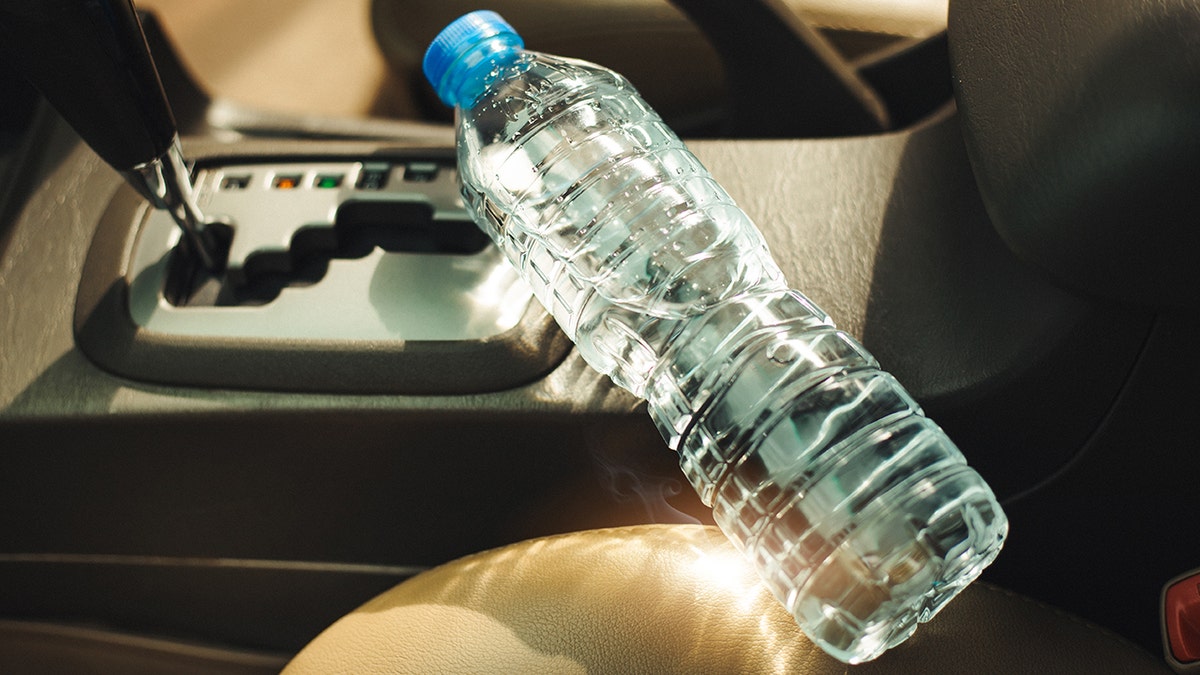
The FDA issued a statement on the issue in 2024, stating that “current scientific evidence does not demonstrate that the levels of microplastics or nanoplastics detected in foods pose a risk to human health.” (iStock)
In 2024, the FDA issued a statement on the topic, stating that “current scientific evidence does not demonstrate that the levels of microplastics or nanoplastics detected in foods pose a risk to human health.”
The agency noted that it will continue to monitor research on microplastics and nanoplastics in food and that it is “taking steps to advance the science and ensure our foods remain safe.”
For more health articles, visit www.Newsnews.com/health
In a 2022 report from the World Health Organization, the agency stated that “adverse health effects cannot be drawn from dietary exposure to micro- and nanoplastic particles smaller than 10 microns due to minimal scientific research.”
News Digital contacted researchers at Concordia University and several bottled water companies for comment.
Angelica Stabile is a lifestyle reporter for News Digital.