



The remains of Danish slave ships are found on the coast of Costa Rica, confirms the museum
/ News/ News
It has been confirmed that two shipwrecks of the 18th century on the coast of Costa Rica, previously believed that they were pirate ships. slavessaid a museum on Sunday.
“The investigations of the boats of the ship, the bricks of the load and clay pipes found during the underwater excavations” had determined the identity of two ships shipwrecked in 1710, said the National Museum of Denmark in a statement.
Marine archaeologists identified the slaves Fridericus Quartus and Christianus Quintus, which, according to historical sources, were destroyed on the Costa Central Costa in 1710, the museum said. The museum also published images of Andreas Kallmeyer Bloch and David Gregory digging underwater and excavating bricks and wood of the remains.
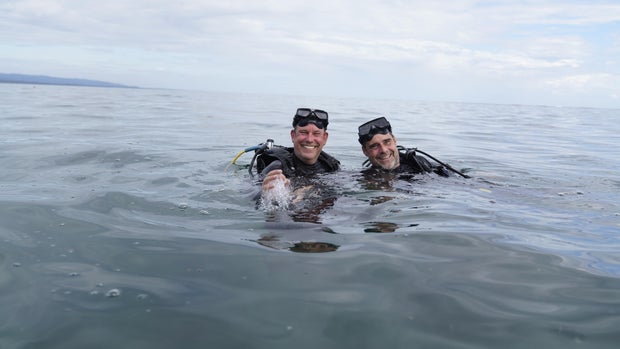
Fridericus quartus was burned, while Christianus quintus was shattered in the surf after his anchor line was cut. Until now, it has not been clear exactly where the ships were lost.
The museum added that in Costa Rica, it was known for a long time that two remains were located in the waters of the Cahuita National Park.
“For many years, however, it was thought that they were pirate ships. But when American marine archaeologists in 2015 found yellow bricks in one of the remains, new questions about the history of the ships emerged,” the museum said.
An underwater excavation was carried out in 2023. It was part of the new Research Center of the National Museum, Njord, which the museum said it plans to excavate several Danish shipwrecks abroad.
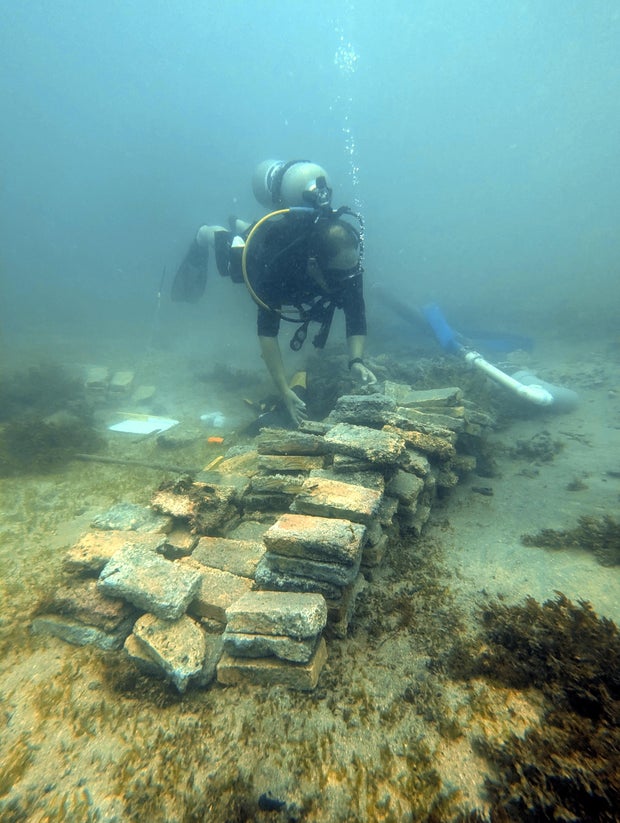
“The analyzes are very convincing and we no longer have any doubt that these are the remains of the two Danish slaves,” said Gregory, a research professor at the National Museum of Denmark, in the statement.
“The bricks are Danish and the same goes for wood, which are also carbonized and soot of a fire. This fits perfectly with the historical stories that indicate that one of the ships burned,” Gregory added.
Marine archaeologist Bloch, Who is also a museum curator, He called it “without a doubt the craziest archaeological excavation of which I have been part.”
“Not only because it is important for the local population, but also because it is one of the most dramatic shipwrecks in the history of Denmark, and now we know exactly where it happened,” said the marine archaeologist.
The Danish government prohibited the trade of transatlantic slaves in 1792, but the country did not abolish slavery until half a century later, in 1847, according to the museum.
- In:
- Slavery
- Costa Rica
- Denmark