



Thousands of Sudanese flee to overcrowded camps after paramilitaries capture El-Fasher
/ AP
Tens of thousands of Sudanese have fled to overcrowded camps to escape atrocities committed by a paramilitary force since it captured El Fasher in the western Darfur region, an aid group said Saturday. The UN human rights chief warned that many others remain trapped.
Those who find refuge in Tawila, about 43 miles from el-Fasherare stranded in an arid area with barely enough tents, many of them improvised from tarps and patched sheets, according to a video released by the Sudanese IDP and Refugee Camps group. It shows children running around the area while a few adults carry a large pot of food, hoping it will be enough to feed the growing crowds of displaced people.
From the Rapid Support Forces seized el-Fasher Since the rival army on October 26, more than 16,200 people have fled to the Tawila camps, said Adam Rojal, a spokesman for the aid group. The International Organization for Migration estimates that around 82,000 people had fled the city and its surrounding areas as of November 4, heading to safe places such as Tawila, an area already overcrowded by those displaced from previous attacks, and some of them made the journey on foot.
The RSF and the Sudanese army have been at war since April 2023, following simmering tensions over control of Africa’s third largest nation. According to the World Health Organization, at least 40,000 people have died, although the true number could be many times higher. Some 12 million people have been displaced and almost half of the population faces severe food insecurity.
Last week, the RSF took el-Fasher after an 18-month siege. The paramilitaries devastated the Saudi hospital in the city, killing more than 450 people, according to the WHO, and they went house to house, killing civilians and committing sexual assaults. RSF has denied killing anyone in the Saudi hospital, but testimonies from those who fled, online videos and satellite images They offer an apocalyptic vision of the attack.
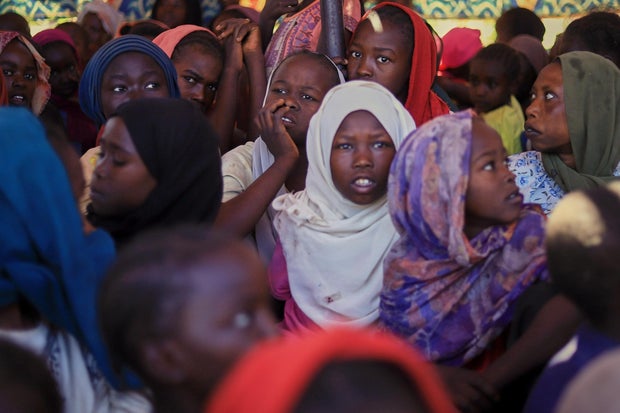
The aid group Doctors Without Borders said Friday that 300 people arrived in Tawila on Thursday alone after fleeing El-Fasher. MSF teams reported “extremely high levels of malnutrition among children and adults.”
Displaced people in Tawila urgently need food, medicine, shelter materials and psychosocial support, Rojal told The News. He said families often survive on just two meals a day, and sometimes just one.
UN Human Rights Chief Volker Türk warned that those left behind in El Fasher are at risk.
“Today, traumatized civilians remain trapped inside El Fasher and are prevented from leaving,” he said Friday in Geneva.
“I fear that abhorrent atrocities such as summary executions, rape and ethnically motivated violence will continue in the city,” he added. “And for those who manage to flee, the violence does not end, as the exit routes themselves have been the scene of unimaginable cruelty.”
On Thursday, the RSF said it had accepted to a humanitarian truce proposed by a US-led mediation group known as the Quad. Meanwhile, the army said it welcomes the Quad’s proposal but will only accept it if the RSF withdraws from civilian areas and surrenders its weapons.
Fighting has spread across Darfur and the neighboring Kordofan region, with both becoming the epicenter of Sudan’s war in recent months. Earlier this week, a drone strike in el-Obeid, capital of North Kordofan province, killed at least 40 people and injured dozens more.
A military official told the AP on Saturday that the military intercepted two Chinese-made drones who attacked El-Obeid on Saturday morning. The official spoke on condition of anonymity because he was not authorized to disclose the information.
Jalale Getachew Birru, East Africa analyst at Armed Conflict Location and Event Data, said in a statement on Friday that the fall of el-Fasher and the rise in violence in North Kordofan marks a strategic victory for the RSF, but exacerbates human suffering. It estimated that at least 2,000 people were killed across Sudan in a single week between October 26 and November 1.
“These developments not only deepen Sudan’s humanitarian crisis, but also signal the growing ability of the RSF to expand into central Sudan, threatening to reverse the success of the Sudanese armed forces and return violence to the relatively calm central Sudan,” Birru said.
In:
- Sudan