



Trump cannot end protections for 350,000 Haitians, US appeals court rules
March 7 (Reuters) – A divided U.S. appeals court refused to allow the Trump administration to revoke legal protections that allow more than 350,000 Haitians to live and work in the United States and avoid being returned to their gang violence-stricken country.
A 2-1 panel of the U.S. Court of Appeals for the District of Columbia Circuit on Friday night rejected the administration’s attempt to stay a Feb. 2 ruling that prevented the U.S. Department of Homeland Security from ending Haiti’s Temporary Protected Status.
TPS is a humanitarian program that protects eligible immigrants from deportation and allows them to work.
Under the direction of outgoing Homeland Security Secretary Kristi Noem, the department has moved to end TPS for a dozen countries as part of President Donald Trump’s immigration crackdown, arguing that the program was never intended to serve as a “de facto amnesty.”
The administration had asked the D.C. Circuit to stay District Judge Ana Reyes’ February order while it appeals. Their decision came in a class-action lawsuit filed by Haitians seeking to prevent DHS from exposing them to deportation.
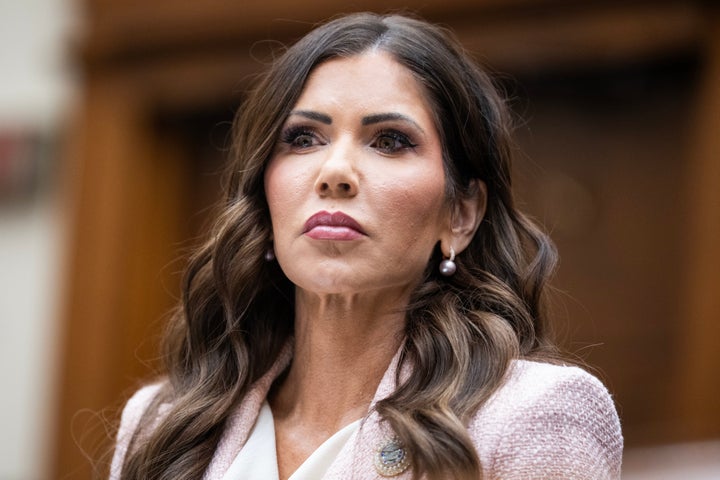
Tom Williams via Getty Images
Reyes concluded that Noem’s move in November to end legal protections for Haitians likely violated TPS termination procedures and the guarantee of equal protection under the law of the Fifth Amendment to the United States Constitution.
On appeal, the administration noted that the U.S. Supreme Court had twice allowed it to end TPS for Venezuelans.
But U.S. Circuit Judges Florence Pan and Brad Garcia, both appointed by Democratic President Joe Biden, distinguished the cases, saying Haitians sent home “would be vulnerable to violence amid a ‘collapsing rule of law’ and would lack access to vital health care.”
U.S. Circuit Judge Justin Walker, a Trump appointee, dissented, saying the case and earlier Supreme Court litigation involving Venezuelans were “the legal equivalent of fraternal, if not identical, twins.”
DHS did not respond to a request for comment.
Haitians were first granted TPS in 2010, after a devastating earthquake. The United States has repeatedly renewed the designation, most recently under the Biden administration in July 2024.
At the time, DHS cited Haiti’s “simultaneous economic, political, security and health crises,” driven by gangs and the absence of a functioning government.
(Reporting by Nate Raymond in Boston. Editing by Mark Potter)