



Waabi + Volvo present next-generation autonomous truck
NEWNow you can listen to News articles!
A new chapter in road transport has begun. Waabi, a leader in physical artificial intelligence, has revealed a major milestone in autonomous truck transportation, integrating Waabi Driver with autonomous Volvo VNL. Together, these technologies mark an important step toward delivering an autonomous solution that is secure and supports broad commercial deployment.
This joint autonomous transportation solution also integrates NVIDIA’s DRIVE AGX Thor and Hyperion 10 architecture.
Sign up to receive my FREE CyberGuy report
Get my best tech tips, urgent security alerts, and exclusive offers delivered straight to your inbox. Plus, you’ll get instant access to my Ultimate Guide to Surviving Scams, free when you join me CYBERGUY.COM information sheet.
AI TRUCK SYSTEM PAIRS THE BEST HUMAN DRIVERS IN A MASSIVE SAFETY SHOW-OFF WITH PERFECT SCORES
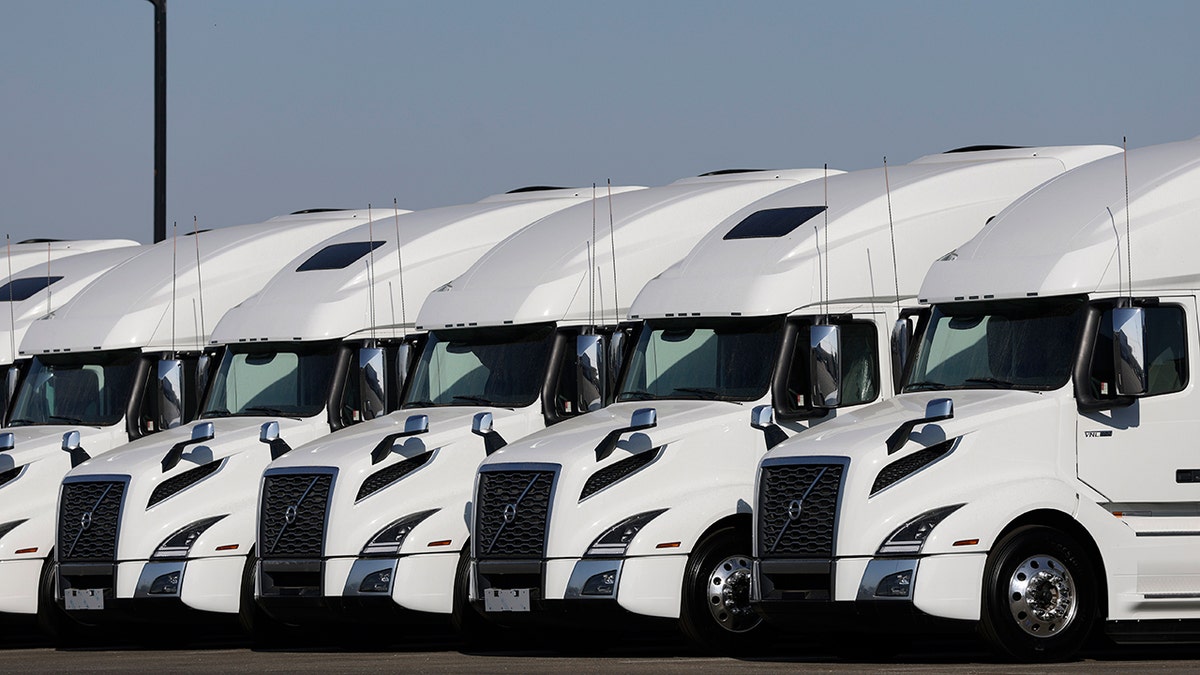
Waabi integrates its Waabi Driver with Volvo’s autonomous VNL, signaling a push towards safe and scalable Level 4 road transport. (Justin Sullivan/Getty Images)
How this AI-powered autonomous truck was built to scale
In early 2025, Waabi and Volvo Automobiles Solutions announced a long-term partnership to develop and deploy autonomous trucks.
Volvo’s New River Valley plant in Virginia is producing the autonomous VNL with six critical redundant or backup systems, including dual braking, steering, communication, computing, power, energy storage and motion control, which are key to safe operations without a driver in the seat.
Waabi provides Waabi Driver, an end-to-end AI model that learns from experience and adapts to new conditions. The company also uses its advanced simulator, Waabi World, to expose AI to millions of realistic driving situations before hitting the road. Waabi calls this approach “Physical AI”, which allows it to generalize across different environments safely.
“The future of autonomous transportation depends on technology that is safe, scalable and designed for customer needs,” said Raquel Urtasun, founder and CEO of Waabi. “Together with Volvo and NVIDIA, we are leading autonomous freight transportation into a safer and more efficient era.”
WOULD YOU BUY THE WORLD’S FIRST PERSONAL ROBOCAR?
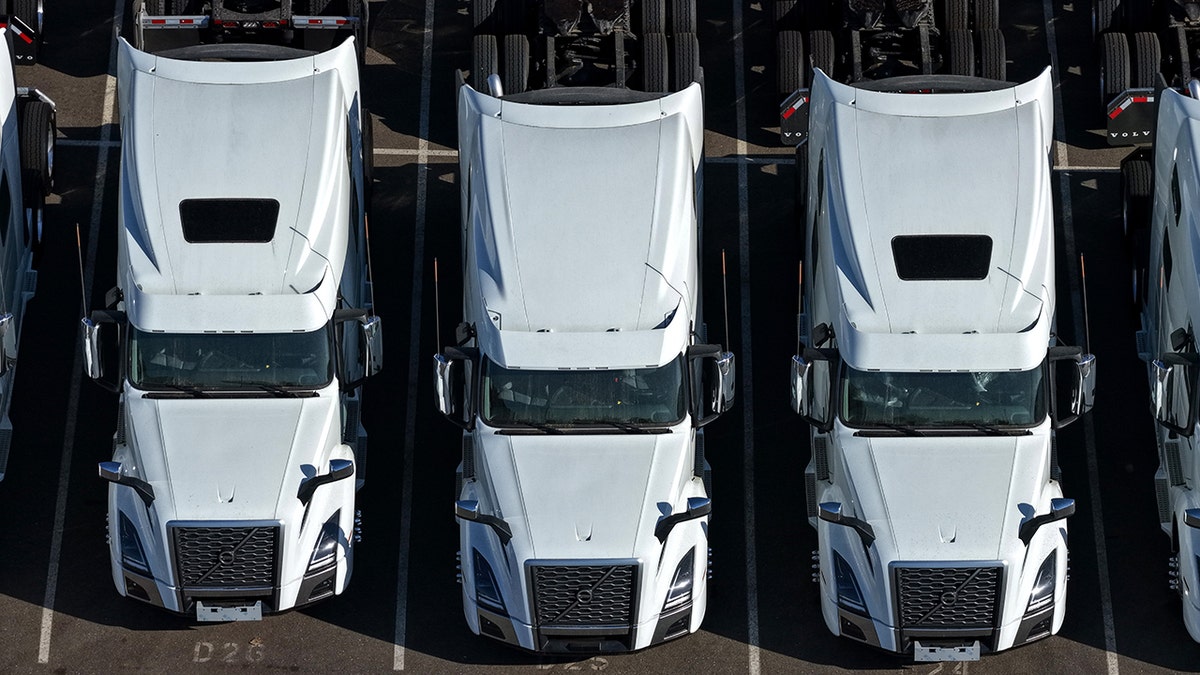
Volvo’s New River Valley plant builds the autonomous VNL with six redundant systems to enable driverless operations. (Justin Sullivan/Getty Images)
Why AI-powered autonomous truck is important for freight transportation
The U.S. freight transportation market continues to face growing demand and a shortage of qualified drivers. AI-powered autonomous trucks offer one of the most promising solutions to keeping goods moving. By integrating autonomous driving technologies from partners such as Aurora Innovation and Waabi into the autonomous Volvo VNL on the pilot line at its New River facility in Virginia, Volvo Automobiles Solutions can deliver autonomous trucks with OEM-level quality and consistency.
Nils Jaeger, president of Volvo Automobiles Solutions, said the partnership is helping to build the broader ecosystem needed for commercial deployment.
“Autonomy has the potential to address some of the transportation industry’s biggest challenges, including safety, efficiency and capacity,” he said.
Collaboration is also strengthened with NVIDIA’s computing platform.
“Autonomous driving is one of the first frontiers where we will see physical AI become a reality,” said Rishi Dhall, vice president of automotive at NVIDIA. “Our purpose-built computing platform complements Waabi’s pioneering end-to-end verifiable road transport system, and is coming to life in Autonomous VNL. Level 4 autonomy in road transport is now available.”
Concerns and challenges facing AI-powered trucks
Despite the enthusiasm, driverless freight transportation faces real challenges. Safety remains the top concern when trucks encounter unpredictable weather conditions, road debris, and human drivers. While simulation can prepare AI for millions of events, regulators are still defining how to certify systems for nationwide deployment.
The shift toward automation also raises economic questions. Trucking employs millions of drivers across the United States, and experts predict job roles will evolve as fleets adopt autonomous systems. Labor groups and state officials are calling for retraining programs to help workers transition to new jobs that support automation.
Data privacy and cybersecurity are also growing priorities. These trucks rely on constant cloud connectivity, making them potential targets for hackers.
Public perception could also influence how quickly adoption progresses. Many people like the idea of innovation, but are hesitant to share the road with fully autonomous vehicles. Building trust will require transparency, safety testing, and a strong track record of performance on the open road.
THE ROAD TO PROSPERITY WILL BE PAVED BY AUTONOMOUS TRUCKS

Volvo and Waabi say their integrated platform aims for broad commercial deployment as cargo demand grows in the United States. (Silas Stein/Picture Alliance via Getty Images)
What’s next for the AI-powered autonomous truck?
Volvo and Waabi have already completed the integration of the Waabi Driver with the autonomous Volvo VNL. The companies describe this milestone as a key step towards Level 4 autonomous operation, meaning the truck will be able to drive itself without human intervention under defined conditions.
This collaboration builds on Volvo Group Venture Capital’s initial investment in Waabi in 2023 and its subsequent participation in Waabi’s $200 million Series B financing round in 2024. That support helped set the stage for this integration and for extensive commercial deployment in the future.
Shahrukh Kazmi, product director at Volvo Autonomous Solutions, said Waabi’s technology fits perfectly into Volvo’s platform.
“We are excited to integrate Waabi’s cutting-edge system into our autonomous truck and jointly develop a safe, efficient and scalable transportation solution,” he said.
What does this mean to you?
If you rely on deliveries or online shopping, driverless transportation could soon determine how products get to your home. These AI-powered trucks can operate longer hours than human drivers, reducing shipping delays and potentially reducing transportation costs.
Automation could also make roads safer by reducing fatigue-related accidents. With fewer disruptions from transportation incidents, travel can become smoother for everyone sharing the road.
This collaboration highlights how artificial intelligence is moving from theory to production lines and changing the way goods move in the United States.
Take my quiz: How safe is your online security?
Do you think your devices and data are really protected? Take this quick quiz to see where you stand digitally. From passwords to Wi-Fi settings, you’ll get a personalized breakdown of what you’re doing well and what you need to improve. Take my quiz here: Cyberguy.com
Kurt’s Key Takeaways
The path ahead for autonomous freight transportation seems both exciting and uncertain. The progress made by AI-powered trucks shows how far automation has come to solve real challenges like driver shortages and delivery delays. At the same time, it generates debate about security, employment and trust in technology. As this change continues, clear communication and responsible testing will help the public feel safer sharing the road with these trucks. Change is already happening and how we respond today will define the future of transportation.
When fully autonomous trucks begin rolling on highways across the country, will the promise of faster, safer freight transportation outweigh the economic and social changes that will follow? Let us know by writing to us at Cyberguy.com.
CLICK HERE TO DOWNLOAD THE News APP
Sign up to receive my FREE CyberGuy report
Get my best tech tips, urgent security alerts, and exclusive offers delivered right to your inbox. Plus, you’ll get instant access to my Ultimate Guide to Surviving Scams, free when you join me CYBERGUY.COM information sheet.
Copyright 2025 CyberGuy.com. All rights reserved.
Kurt “CyberGuy” Knutsson is an award-winning technology journalist with a deep love for technology, gear and gadgets that improve lives with his contributions to News and News Business since mornings on “News & Friends.” Do you have any technical questions? Get Kurt’s free CyberGuy newsletter, share your voice, a story idea or comment on CyberGuy.com.