



Walking style could be key to longevity and recurrence of injuries, experts say
NEWNow you can listen to News articles!
Walking backwards could have significant benefits for joint health, chronic pain, and even brain health, and there’s scientific evidence to back it up.
Multiple studies show that simply changing direction can engage the body in ways that traditional exercise cannot. What seems like a novelty could actually be one of the simplest and most accessible ways to move better and hurt less.
TIKTOK’S VIRAL ‘6-6-6’ WALKING ROUTINE BURNS FAT WITHOUT EXTENSIVE WORKOUTS
In a study published in the Journal of Orthopedic Surgery and Research, researchers focused on people with mild to moderate knee osteoarthritis, a condition characterized by joint pain, stiffness, and limited mobility.
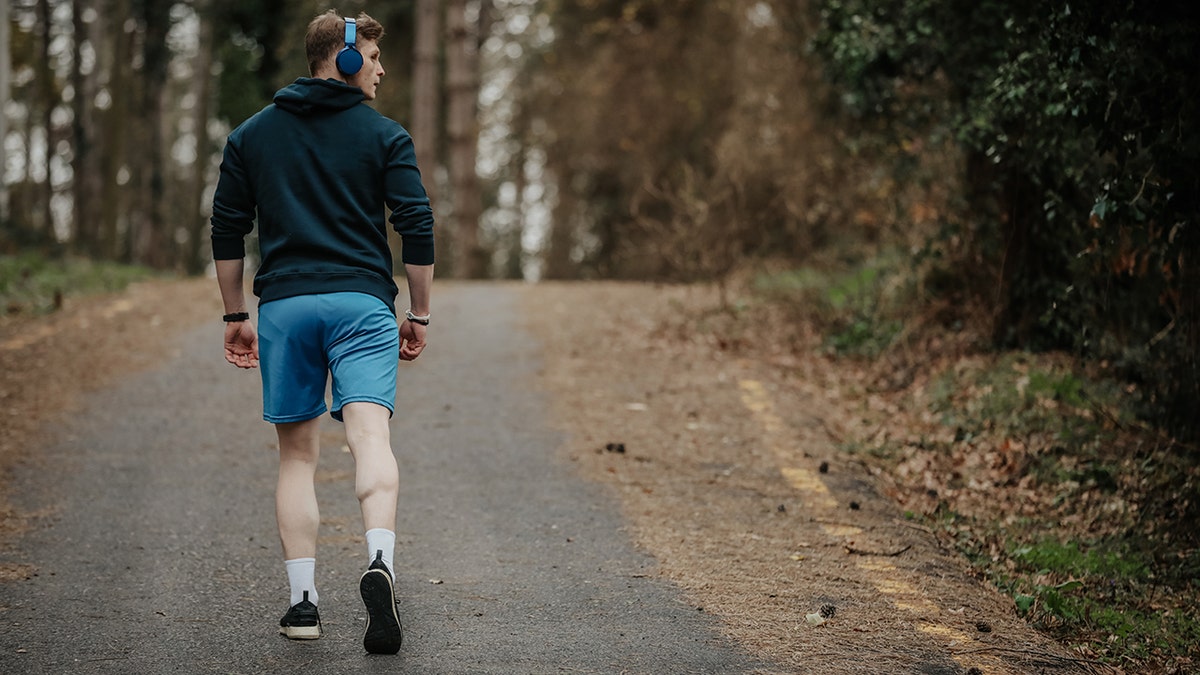
Some studies point to walking backwards as a possible method of relieving chronic pain. (iStock)
Participants who added backward walking to their routines several times a week for six weeks reported significant improvements in knee function and reduced pain compared to those who continued standard forward walking.
Researchers found that walking backwards changes the functioning of the muscles around the knee. Because the stride is shorter and the landing softer, it reduces compressive forces on the joints, which means less wear and tear over time.
SIMPLE JAPANESE FITNESS TREND COULD ADD 7 YEARS TO LIFE EXPECTANCY, EXPERTS SAY
Another recent study, published in PLOS One, examined how walking backwards affects people with chronic low back pain. After several weeks of incorporating the exercise, participants showed lower levels of pain and better control of their lumbopelvic movement, which is the coordination between the lower back and pelvis that helps stabilize the spine.
Walking backwards activates muscles that are often underused. (iStock)
The findings suggest that walking backward uses a wider range of stabilizing muscles than walking forward. It forces the body to maintain balance and alignment in a different way, awakening muscles that may be underused in our day-to-day routines.
For people struggling with low back pain, one of the most common musculoskeletal complaints worldwide, there could be a simple intervention that retrains movement patterns and reduces stress on the spine.
FORGET THE 10,000 STEPS: RESEARCH REVEALS THE REAL NUMBER YOU NEED FOR BETTER HEALTH
These results are especially surprising because the movement itself is low impact. Instead of jumping, twisting, or lifting heavy objects, it’s simply retraining your body to move efficiently in reverse.
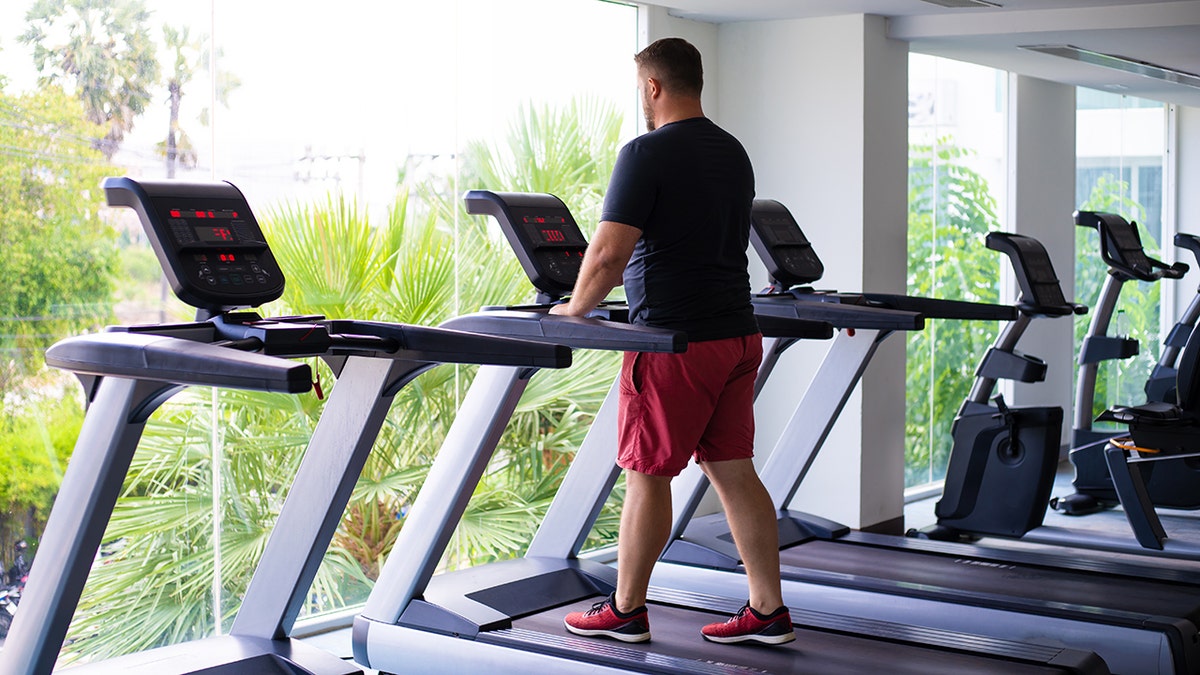
Walking backwards can also help with spatial awareness and coordination. (iStock)
The Cleveland Clinic notes that walking backwards is not only good for your joints, but also an exercise for your mind. Moving in reverse challenges spatial awareness, coordination and concentration. That extra mental effort strengthens the connection between the brain and muscles, helping to improve balance and reaction time.
It is also more physically demanding than it seems. Walking backwards burns more calories per minute than walking forward at the same pace, thanks to greater muscle engagement, according to the Cleveland Clinic. Movement also naturally encourages better posture, because you have to stay upright and alert to maintain control.
CLICK HERE TO SUBSCRIBE TO OUR LIFESTYLE NEWSLETTER
Even small doses can make a difference. Five minutes of walking backwards added to a daily routine can provide measurable benefits for strength and balance, especially in older adults or those recovering from injury.
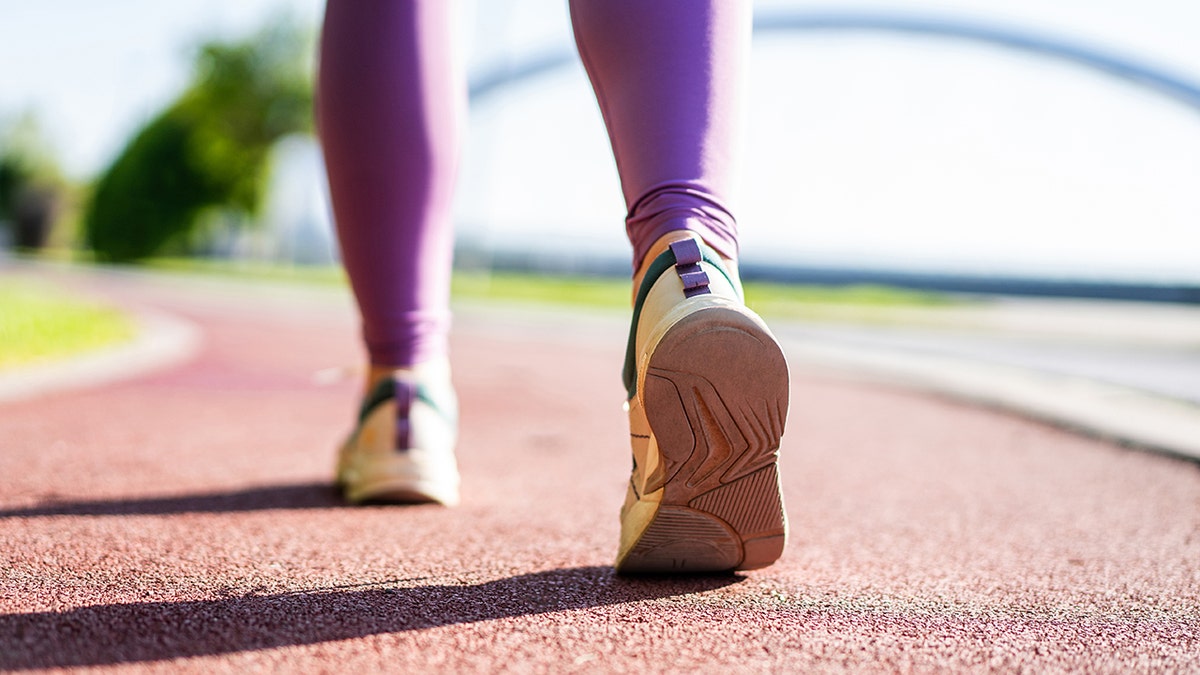
Experts recommend that those who want to try walking backwards start slowly to avoid the risk of injury. (iStock)
Experts recommend starting small. Choose a flat, open space, such as a track, a gym floor, or a quiet hallway, and take short, deliberate steps. Keep your core tight, shoulders back, and eyes forward as much as possible. If you’re trying it on a treadmill, start at a very slow pace and use the rails until you find your balance.
CLICK HERE FOR MORE LIFESTYLE STORIES
As your comfort grows, you can alternate short intervals of walking forward and backward. Even a few minutes a day can help your body adapt to the new movement pattern and unlock its benefits.
CLICK HERE TO DOWNLOAD THE News APP
It helps protect the knees, strengthen the spine, and challenge the brain, all through a movement we’ve spent most of our lives avoiding.
TRY OUR LATEST LIFESTYLE QUIZ
Sometimes progress really is about learning to move in reverse.
Khloe Quill is a lifestyle production assistant at News Digital. She and the lifestyle team cover a range of topics including food and drink, travel and health.