



When dating apps are hacked, your private life becomes public
NEWNow you can listen to News articles!
Dating apps are built on trust. You share personal data, photos, preferences and conversations with the assumption that they will remain private. But recent reports suggest that even some of the biggest names in online dating are not immune to cyberattacks and cannot keep their private data “private.”
Dating apps Bumble and Match appear to have been caught in a breach allegedly linked to hacking group ShinyHunters, raising fresh concerns about how much of your private life could be exposed when these platforms are attacked.
Sign up to receive my FREE CyberGuy report
Get my best tech tips, urgent security alerts, and exclusive offers delivered straight to your inbox. Plus, you’ll get instant access to my Ultimate Guide to Surviving Scams, free when you join me CYBERGUY.COM information sheet.
THOUSANDS OF IPHONE APPS EXPOSE DATA INSIDE THE APPLE APP STORE
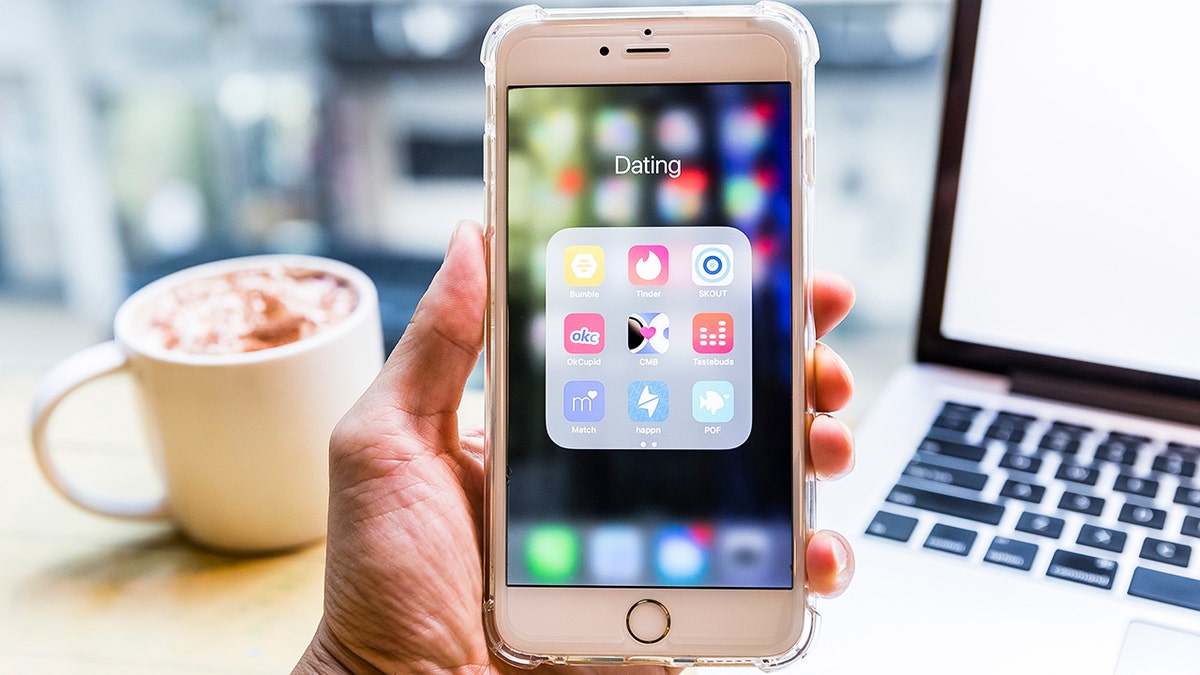
Bumble, Match hit by alleged hack linked to ShinyHunters group. (Yu Chun Christopher Wong/S3studio/Getty Images)
What happened to Bumble and Match?
The ShinyHunters group recently claimed to have breached Bumble and Match, adding the companies to its data breach site. In the case of Bumble, hackers say they stole thousands of internal documents, focusing on files marked as restricted or confidential. The data reportedly comes from internal tools like Google Drive and Slack, not user profiles.
Bumble later confirmed that the account of one of its contractors had been compromised in a phishing attack. The company says the attacker gained brief, unauthorized access to a small portion of its network before being eliminated. Bumble maintains that user data was not affected. It says member databases, profiles, messages and the Bumble app were not accessed.
“One of our contractor accounts was recently compromised in a phishing incident,” a Bumble spokesperson told CyberGuy. “The account had limited access privileges and was used to conduct brief unauthorized access to a small portion of our network. Our InfoSec team quickly detected and removed the access, and the incident is contained. We have engaged outside cybersecurity experts to investigate and notify authorities. Importantly, there was no access to our member database, our member accounts, the Bumble app, or any member direct messages or profiles.”
Match confirmed a cybersecurity incident on January 28 and said it is notifying affected users. The company maintains that the incident affected only a limited set of user data and did not expose passwords, financial information or private messages.
“We are aware of claims made online related to a recently identified security incident,” a Match Group spokesperson said in a statement to CyberGuy. “Match Group takes the security of our users seriously and acted quickly to terminate the unauthorized access. We continue to investigate with the help of third-party cybersecurity experts. There is no indication that the user’s login credentials, financial information, or private communications were accessed. We believe the incident affects a limited amount of user data and we are already in the process of notifying individuals as appropriate.”
Why ShinyHunters Keep Showing Up
ShinyHunters has been in the news repeatedly over the past few weeks after breaching several large organizations and allegedly targeting hundreds more. The group is known for its phishing and vishing attacks, in which attackers impersonate IT or support staff to trick employees into giving up access. Unlike traditional ransomware groups, ShinyHunters no longer focuses on encrypting systems. Instead, it focuses on stealing data and threatening to leak it. This approach is faster, cheaper and is still very cost effective. Other ransomware groups are starting to follow the same playbook.
That change reduces the barrier to attacks. Even a single compromised employee or contractor account can expose sensitive conversations, documents, and internal systems. Even when companies say user data was not accessed, breaches like this still matter. Internal documents can reveal how platforms work, what tools they use, and where weaknesses exist. That information can be used to plan future attacks or design more convincing scams to target users.
Dating apps are especially sensitive targets due to the nature of the data involved. Names, photos, preferences, and private conversations can be deeply personal. If attackers ever gain access to that type of information, the consequences can include harassment, blackmail, or identity theft. You should always remember that dating platforms, like all online services, are only as safe as their weakest link. Often, that link is phishing.
9 steps you can take to protect yourself on dating apps
When dating platforms are breached, you usually don’t get much warning. These steps help limit what attackers can do with your information if something goes wrong.
‘ARE YOU DEAD?’ THE APP TAKES ADVANTAGE OF THE GLOBAL LONELINESS CRISIS
Dating apps Bumble and Match are facing scrutiny following allegations of non-compliance. (Alicia Windzio/Picture Alliance via Getty Images)
1) Use a unique, strong password for each dating app
If attackers steal data from one service, they almost always try the same credentials elsewhere. Using a unique password ensures that even if a dating app account is compromised, your email, social media, or bank accounts will remain protected. Avoid passwords tied to your name, date of birth, or location. A password manager generates and stores strong passwords so you don’t have to reuse or type them. Many administrators also warn you if a password appears in a known breach or if you enter credentials on a suspicious site, adding an extra layer of protection.
Next, check to see if your email has been exposed in previous breaches. Our #1 pick for password manager includes a built-in breach scanner that checks to see if your email address or passwords have appeared in known breaches. If you discover a match, immediately change any reused passwords and protect those accounts with new, unique credentials.
Check out the best expert-reviewed password managers of 2026 at Cyberguy.com.
2) Enable two-factor authentication (2FA) whenever possible
Two-factor authentication (2FA) adds a second step to the sign-in process, usually through an app or device that you control. Even if someone obtains your password through phishing or a breach, 2FA makes it much more difficult for them to access your account.
3) Be careful with phishing messages
Cybercriminals often follow up breaches with fake emails or in-app messages purporting to offer help or security updates. Always check the sender and avoid clicking on links. If in doubt, open the app or website directly instead of replying to the message. Using powerful antivirus software adds another layer of protection by flagging malicious links and blocking known threats before they can cause harm. This protection can also alert you to phishing emails and ransomware scams, keeping your personal information and digital assets safe.
Get my picks for the best antivirus protection winners of 2026 for your Windows, Mac, Android, and iOS devices at Cyberguy.com.
4) Limit the personal data you share
Dating apps encourage openness, but sharing too much can backfire. Avoid quickly sharing your phone number, employer, home address, or social media profiles. If attackers ever gain access to messages or profiles, less exposed information means less risk of harassment or identity abuse. For added protection, identity theft protection services can help monitor misuse of your personal information and alert you in advance if your data appears in fraudulent activity. Identity theft companies can monitor personal information such as your Social Security number (SSN), phone number, and email address, and alert you if it is sold on the dark web or used to open an account. They can also help you freeze your bank and credit card accounts to prevent further unauthorized use by criminals.
See my tips and best options on how to protect yourself from identity theft at Cyberguy.com.
5) Reduce your digital footprint with a data erasure service
Many targeted scams begin with personal information scraped from data broker sites. Data deletion services help remove your phone number, address, and other details from these databases, making it harder for attackers to target you after a breach. While no service can guarantee complete removal of your data from the Internet, a data deletion service is truly a smart choice. They are not cheap, and neither is your privacy. These services do all the work for you by actively monitoring and systematically deleting your personal information from hundreds of websites. It’s what gives me peace of mind and has proven to be the most effective way to delete your personal data from the Internet. By limiting the information available, you reduce the risk of scammers cross-referencing leak data with information they can find on the dark web, making it harder for them to target you.
Check out my top picks for data removal services and get a free scan to find out if your personal information is already available on the web by visiting Cyberguy.com.
Get a free scan to find out if your personal information is already available on the web: Cyberguy.com.
6) First secure your email account
Your email account controls password resets for most services. Protect it with a strong password and 2FA. Periodically review your login activity and recovery settings so attackers can’t use your email to take over other accounts.
HOW RING WILL USE THE NEW ‘FIRE WATCH’ TOOL IN REAL TIME

Dating apps Bumble and Match appear to have been caught in a breach allegedly linked to hacking group ShinyHunters, writes Kurt “CyberGuy” Knutsson. (Srdjanpav/Getty Images)
7) Review app permissions and connected accounts.
Dating apps often ask for more access than they really need. That may include your contacts, photos, location, or linked social media accounts like Instagram or Spotify. Yes If a platform or connected service is ever compromised, those permissions can expose more personal data than expected. Take a few minutes to review what each dating app can access on your phone. Remove non-essential permissions. You should also disconnect any third-party accounts that you no longer use within the app. Fewer connections mean fewer ways for attackers to reach you.
8) Watch for account changes after breach news
Not all violations lead to immediate account takeovers. In some cases, attackers silently test access weeks later. That’s why it’s important to stay alert after breach reports. Be on the lookout for password reset emails you didn’t request, profile changes you didn’t make, or new messages you didn’t send. Unexpected logouts or security alerts are also red flags. If you notice anything unusual, change your password immediately and review your security settings.
9) Use built-in security and privacy tools within dating apps
Most major dating apps now include security features that many users ignore. These tools are designed to limit exposure and give you more control over who can contact you. Use features like in-app messaging, video chat before meeting in person, profile visibility controls, and easy blocking or reporting options. Keeping conversations within the app for as long as possible reduces the risk of scams and limits the amount of personal information you expose.
CLICK HERE TO GET THE News APP
Kurt’s Key Takeaway
Dating apps thrive on intimacy, but cyberattacks turn that intimacy into a huge risk. Even when companies say user data was not directly accessed, the breaches show how easily attackers can gain a foothold through phishing and weak accounts. If you think you’ve been affected, lock your accounts, share carefully, and remember that everything you post online is only as private as the systems that protect it.
Do you trust dating apps to keep your personal data safe or have breaches changed how much you share? Let us know your opinion by writing to us at Cyberguy.com.
Sign up to receive my FREE CyberGuy report
Get my best tech tips, urgent security alerts, and exclusive offers delivered straight to your inbox. Plus, you’ll get instant access to my Ultimate Guide to Surviving Scams, free when you join me CYBERGUY.COM information sheet.
Copyright 2026 CyberGuy.com. All rights reserved.
Kurt “CyberGuy” Knutsson is an award-winning technology journalist with a deep love for technology, gear and devices that improve lives with his contributions to News and News Business since mornings on “News & Friends.” Do you have any technical questions? Get Kurt’s free CyberGuy newsletter, share your voice, a story idea or comment on CyberGuy.com.