



Why cancer is hitting the Midwest harder than anywhere else in the United States
NEWNow you can listen to News articles!
While cancer rates in the rest of the country are declining, those in Iowa, Nebraska, Illinois, Minnesota, Indiana and Kansas (known as the Corn Belt) are rising at an alarming rate, data show.
The rise in U.S. corn-producing states caught the attention of the University of Iowa Holden Comprehensive Cancer Center, which assembled a panel to investigate the trend.
One of the experts, Dr. Marian Neuhouser, a professor at the Fred Hutchinson Cancer Center in Seattle, served on the panel as an expert on nutrition and obesity.
COLORECTAL CANCER MAY CAUSE THESE 4 HIDDEN WARNING SIGNS, EXPERTS SAY
“The panel came about after they noticed that cancer incidence trends were increasing at a faster rate in Iowa than in other states,” Neuhouser told News Digital.
A data analysis by The Washington Post based on federal health data sets found that the number of people diagnosed with cancer in the six Corn Belt states has surpassed the national average since the mid-2010s.
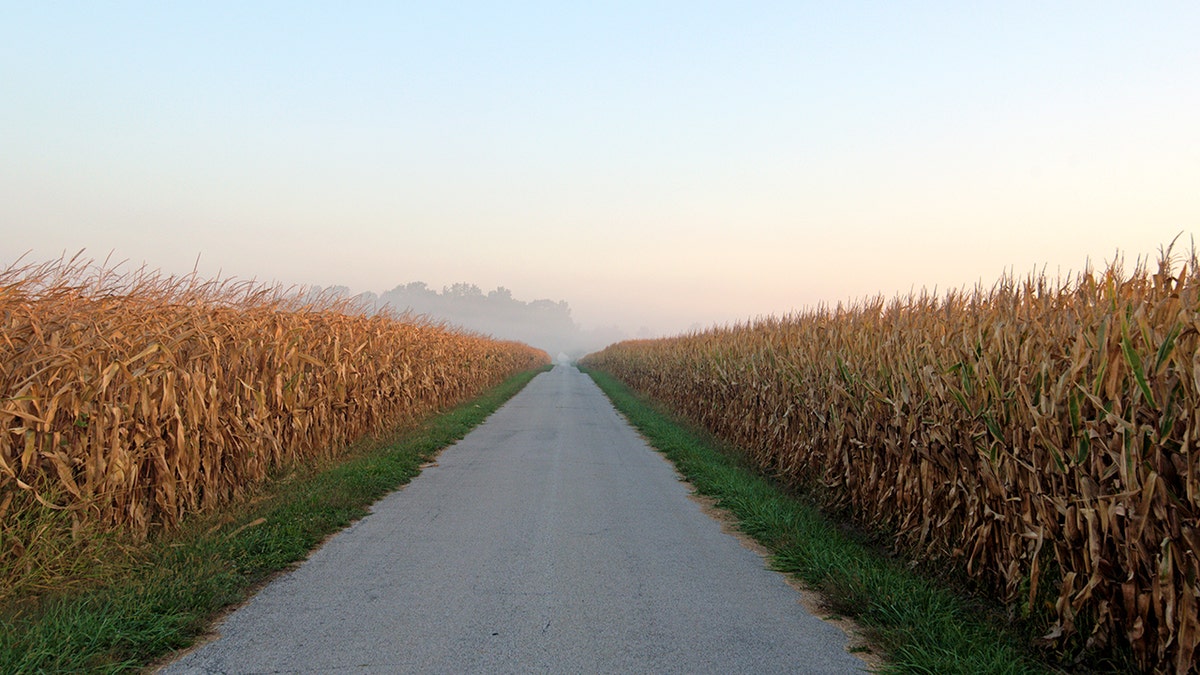
While cancer rates in the rest of the country are declining, those in the corn belt states (Iowa, Nebraska, Illinois, Minnesota, Indiana and Kansas) are increasing at an alarming rate. (iStock)
In 1999, cancer rates in the Midwest were on par with the national average. Now, among residents ages 15 to 49, those rates are about 5% higher, a pattern that began to diverge in the 2000s and has steadily expanded.
The Post based its findings on data from the National Cancer Institute and the Centers for Disease Control and Prevention, which tracks cancer incidence nationwide.
COLON CANCER RISK IS REDUCED BY EATING SPECIFIC TYPES OF VEGETABLES, STUDY FINDS
The analysis compared rates from 1999 to 2022 using multi-year averages for Iowa and excluding 2020 due to pandemic disruptions.
Experts investigate the causes
Neuhouser noted that some of the increases involve cancers that can be prevented or detected through screening.
Researchers are examining environmental and lifestyle factors that could be driving the increase.
A panel of experts met in Iowa after more figures emerged about the alarming rise in cancer rates. (iStock)
Outdoor UV exposure and high rates of heavy alcohol consumption could contribute, according to the Iowa Cancer Registry, part of the National Institutes of Health surveillance network.
The Iowa Environmental Health Sciences Research Center has described the state as a “hot spot for environmental exposure to carcinogens.”
CANCER DEATHS HAVE ‘ALRMING’ INCREASE DUE TO COMMON HEALTH CONDITION, EXPERTS SAY
The region’s soil and groundwater reportedly contain some of the highest levels of radon and natural nitrate in the country, largely due to fertilizer use in agriculture. Both substances have been linked to high risks of lung and gastrointestinal cancer.
Meanwhile, the widespread application of pesticides and herbicides, including glyphosate, continues to spark debate among scientists and regulators.
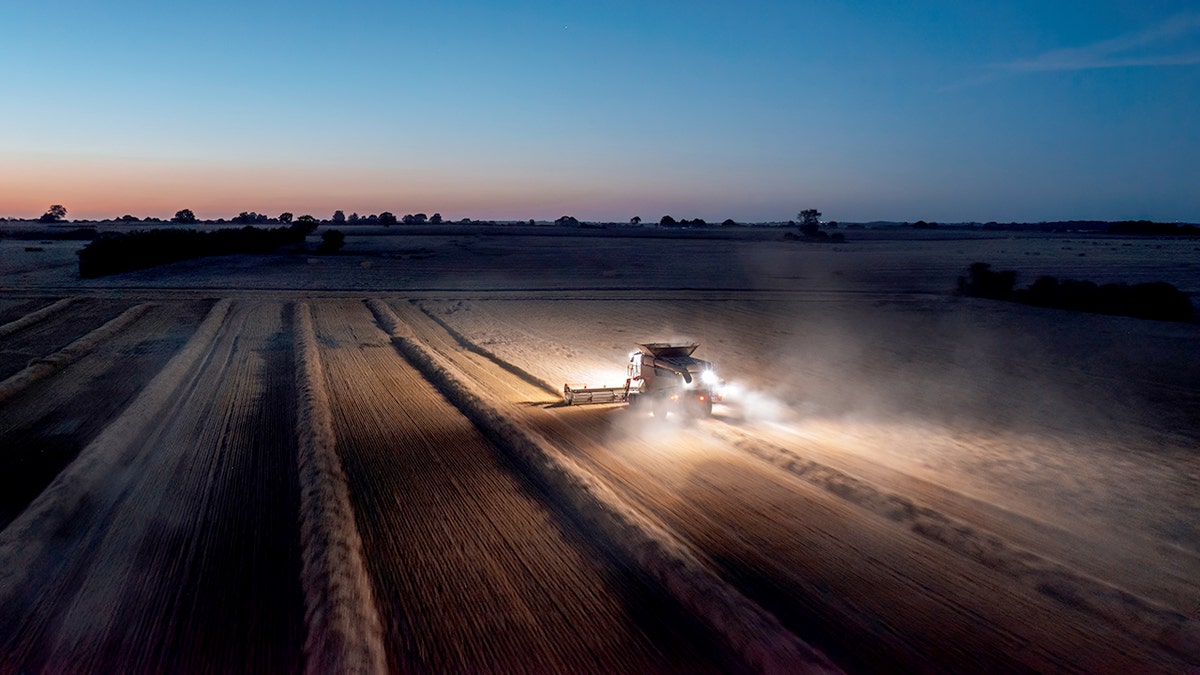
Where fields once symbolized abundance, they now raise questions about how the chemicals used to maintain them could affect people’s health. (iStock)
Risk of chemical exposure
Dr. Anne McTiernan, a professor of epidemiology at Fred Hutchinson Cancer Center in Seattle, has analyzed decades of research on glyphosate and cancer risk.
“Glyphosate, a broad-spectrum herbicide, has been used in the United States for decades and is said to be the most widely used pesticide globally,” he told News Digital.
CLICK HERE TO DOWNLOAD THE News APP
The World Health Organization’s International Agency for Research on Cancer classified glyphosate as “a 2A carcinogen (“probably carcinogenic to humans”), which is the second highest grade of carcinogen, according to McTiernan.
CLICK HERE TO SUBSCRIBE TO OUR HEALTH NEWSLETTER
Their review of studies through 2025 found that people with long-term high exposure to glyphosate, such as those who work on farms, had about a 40% increased risk of developing non-Hodgkin lymphoma compared to those who were never exposed.
Researchers warn that the causes of cancer spikes in the Corn Belt may be due to decades of invisible exposure. (iStock)
According to the expert, this level of increased risk, combined with laboratory evidence that glyphosate can damage DNA and cause cellular stress, is considered strong enough to support a causal link.
TRY OUR LATEST LIFESTYLE QUIZ
Role of obesity and alcohol
Lifestyle factors also increase the risk. According to CDC data, about 21% of Iowa adults report binge or binge drinking, compared to about 17% nationally.
The Iowa Department of Health and Human Services reports that about 35% of adults in the state are classified as obese, placing it among 19 states with an obesity prevalence at or above that level. Nationally, the CDC reports an adult obesity rate of approximately 40%.
CLICK HERE FOR MORE HEALTH STORIES
Neuhouser noted that 13 different types of cancer are linked to obesity.
“Everyone would like to be able to reduce the risk of cancer… to a single exposure, but cancer is so complex that it is usually several factors working together,” he said.
Khloe Quill is a lifestyle production assistant at News Digital. She and the lifestyle team cover a range of topics including food and drink, travel and health.