



Why the Strait of Hormuz is so important
As the United States’ war with Iran drags on, much of the attention has focused on a crucial waterway: the Strait of Hormuz.
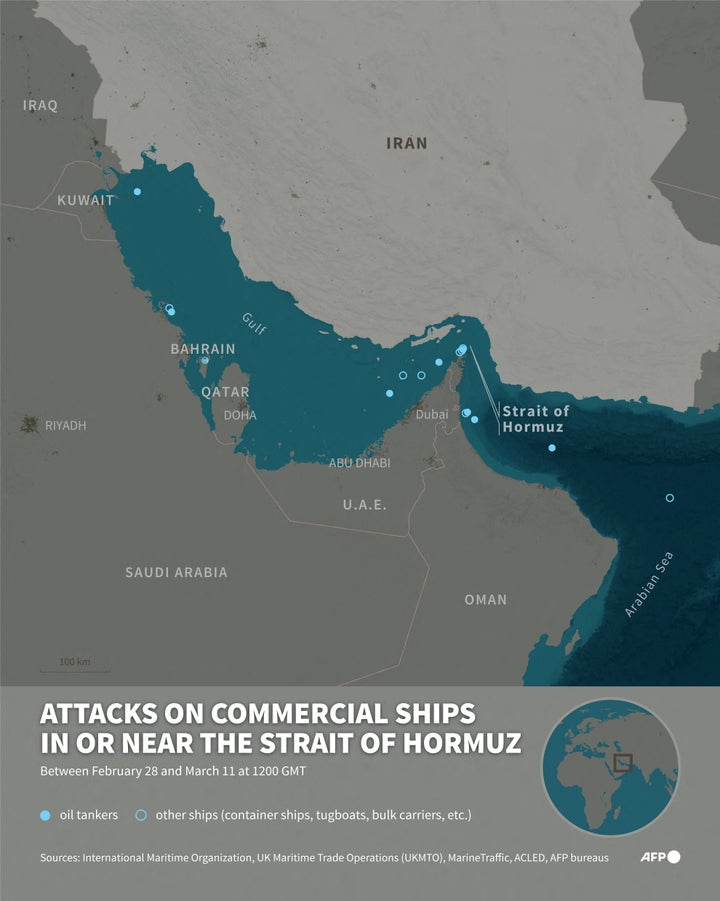
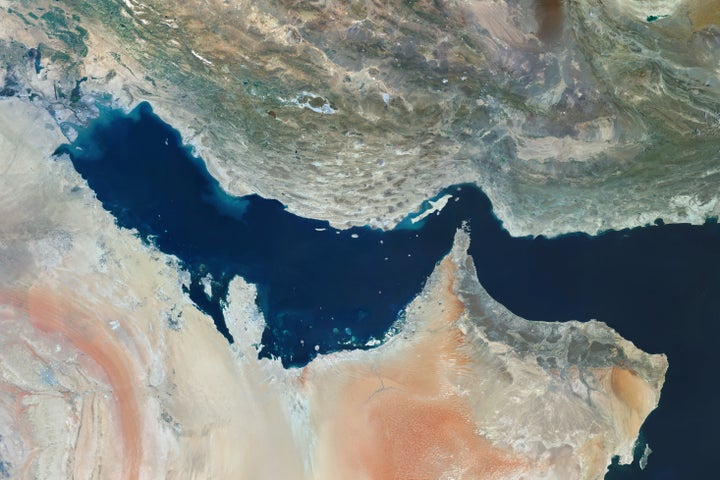
The Strait is a narrow channel that links the Persian Gulf and the Gulf of Oman. It is bordered by Iran to the north and Oman to the south, and stretches approximately 21 miles at its narrowest point.
Due to its location, a significant portion of the world’s oil produced by the countries of the Persian Gulf – including Kuwait, Qatar and Iraq – must pass through the Strait to reach other destinations.
Sabrina Blanchard, Luca Matteucci and Valentin Rakovsky via Getty Images
In the wake of the American and Israeli attacks, Iran has effectively closed the Strait by threatening to attack ships passing through it. In doing so, it has driven up oil prices around the world and increased economic pressure on the United States.
Now, the Trump administration is grappling with how to navigate the Strait closure as its Iran operation enters its third week.
Why is the Strait of Hormuz so important?
About one-fifth of the world’s oil and one-fifth of the world’s liquefied natural gas is transported through the Strait, making it one of the world’s most important shipping routes.
Many of these supplies typically go to countries in Asia, including China, India, Japan and South Korea.
Because the Strait has been largely closed since the start of the US war against Iran, oil supplies from the Persian Gulf have largely stagnated. According to News, the vessels that have become stuck include approximately 400 tankers carrying 200 million barrels of oil.
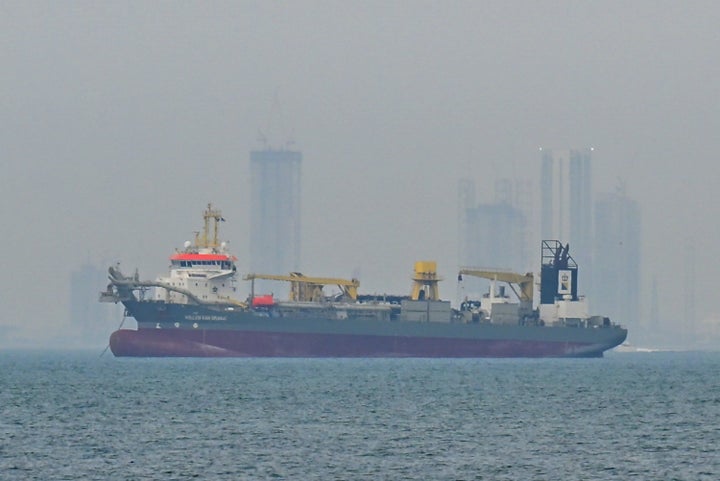
Iran has significant power over the Strait due to its proximity to the waterway. As The Guardian noted, segments of the Strait’s shipping lanes are located just three or four miles from Iran’s shores, so it can quickly deploy drones and missiles to attack ships passing through them.
Anadolu via Getty Images
What is the status of the confrontation involving the Strait?
Shortly after the United States began its attacks on Iran, Iranian officials issued threats related to the Strait.
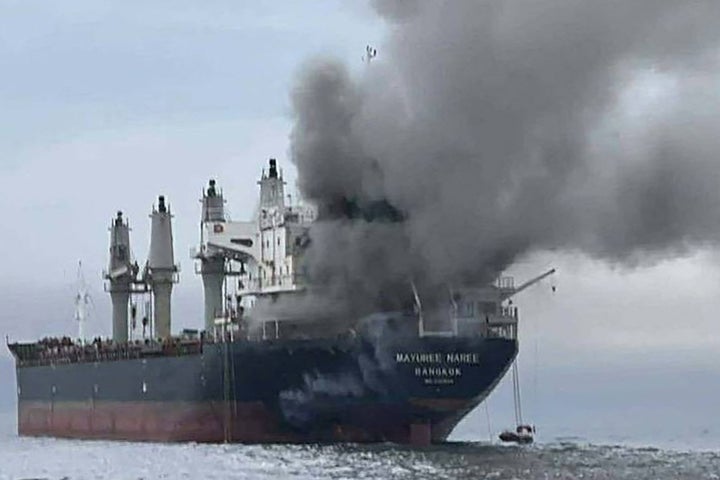
“The Strait (of Hormuz) is closed. If anyone tries to pass through, the heroes of the Revolutionary Guard and the regular navy will set those ships on fire,” Ebrahim Jabari, a senior adviser to the commander-in-chief of the Guard, said on March 2, according to Reuters, which cited Iranian state media. Iran also appears to have followed through on its threats, claiming responsibility for attacks on multiple ships that have attempted to enter the Strait.
According to CNN, Iran has reportedly laid a few dozen mines. in the Strait, further raising security concerns.
Due to these threats, maritime traffic in the Strait has slowed down significantly. Typically more than 100 ships pass through the Strait every day, according to News, but that number has dwindled to just a handful.
In recent days, Iran has signaled that it may be willing to allow non-U.S. ships to move through the waterway. Over the weekend, Iranian Foreign Minister Abbas Araghchi said that “several countries” had approached Iran to ensure the safe passage of its ships, and noted that the decision to allow them passage would depend on its military.
BROCHURE via Getty Images
Trump is looking for ways to neutralize broader threats from Iran so that maritime traffic can resume at previous levels. Although US airstrikes have already hit multiple Iranian mine vessels, any widespread effort to combat Iranian attacks will be a challenge, The Guardian noted. This is due to Iran’s access to small, fast boats that it can use to lay mines, and its proximity to the waterway.
Trump has also implored other countries to send ships that can help reopen the Strait; However, so far their response has been lukewarm.
Anadolu via Getty Images
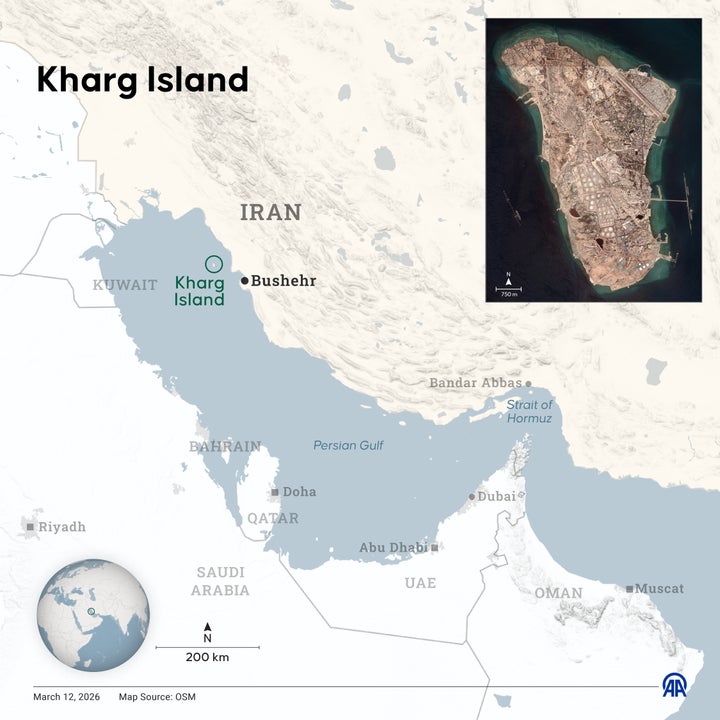
If the Strait remains closed, pressure will continue to build on oil and gas markets around the world. Trump’s threats to again attack Kharg Island, which is home to an Iranian oil export hub, could increase these pressures.
Has the Strait played a role in past conflicts?
Iran has taken advantage of its access to the Strait in past conflicts, although this type of closure is unprecedented, Erik Broekhuizen, a tanker researcher, told NPR. In the 1980s, Iran laid mines in the Strait during a “tanker war” with Iraq and damaged a supertanker, according to Bloomberg. Iranian lawmakers have also considered closing the Strait before, even after the United States attacked three Iranian nuclear sites last year.
Gallo Images via Getty Images
According to a Wall Street Journal report published last weekTrump’s top military adviser, General Dan Caine, had warned him that Iran could close the Strait in retaliation for US attacks. Trump reportedly suggested that Tehran would surrender first and that the United States could fight efforts to close the sea route if the Iranians went that route.
“The Pentagon has been planning Iran’s desperate and reckless closure of the Strait of Hormuz for decades, and has been part of the Trump administration’s planning long before ‘Operation Epic Fury’ was launched,” White House press secretary Karoline Leavitt said in a statement to the publication.