



You
GENEVA (AP) — The U.N. human rights chief said Friday that U.S. military attacks on ships in the Caribbean Sea and eastern Pacific Ocean that are allegedly transporting illegal drugs from South America are “unacceptable” and must stop.
United Nations High Commissioner for Human Rights Volker Türk called for an investigation into the attacks, in what appeared to mark the first such condemnation by a United Nations organization.
Ravina Shamdasani, spokesperson for Türk’s office, delivered her message Friday at a regular UN briefing: “These attacks and their increasing human cost are unacceptable. The United States must stop such attacks and take all necessary measures to prevent the extrajudicial killing of people aboard these ships.”
He said Türk believed that “the United States of America’s airstrikes against ships in the Caribbean and Pacific violate international human rights law.”
President Donald Trump has justified the attacks on the ships as a necessary escalation to stop the flow of drugs into the United States, but the campaign against drug cartels has caused division among countries in the region.
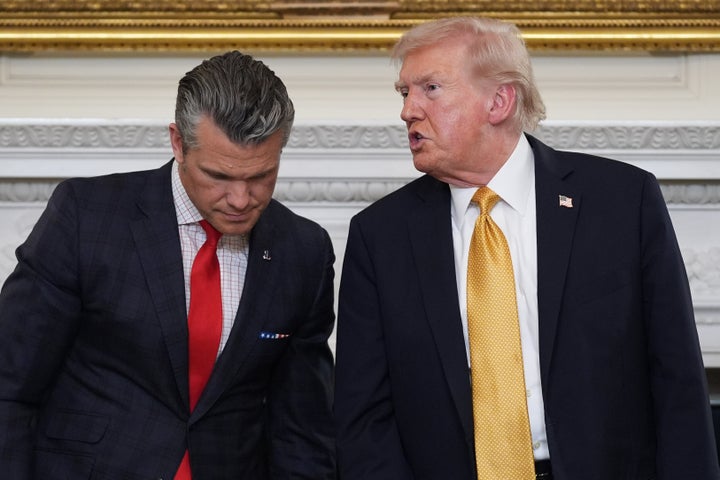
AP Photo/Evan Vucci
U.S. Defense Secretary Pete Hegseth on Wednesday announced the latest U.S. military strike in the campaign against a ship he said was transporting drugs in the eastern Pacific Ocean. All four people on board died. It was the 14th strike since the campaign began in early September, while the death toll has risen to at least 61.
Forget the dance hallsHelp build anewsroom
Your supportFuelsOur mission
Your supportFuelsOur mission
Become a News themezone Member
When power accumulates under gilded ceilings, true journalism remains outside, asking the questions that matter. Join the News themezone membership and keep independent reporting strong for everyone.
We remain committed to bringing you the unwavering, fact-based journalism everyone deserves.
Thank you again for your support along the way. We are truly grateful for readers like you! Your early support helped get us here and strengthened our newsroom, keeping us strong in uncertain times. As we continue, we need your help more than ever. We hope you will join us once again.
We remain committed to bringing you the unwavering, fact-based journalism everyone deserves.
Thank you again for your support along the way. We are truly grateful for readers like you! Your early support helped get us here and strengthened our newsroom, keeping us strong in uncertain times. As we continue, we need your help more than ever. We hope you will join us once again.
News themezone Support
Are you already a member? Sign in to hide these messages.
Shamdasani highlighted U.S. explanations of the efforts as an anti-drug and anti-terrorism campaign, but said countries have long agreed that combating illicit drug trafficking is a law enforcement issue governed by “careful limits” placed on the use of lethal force.
Intentional use of deadly force is only allowed as a last resort against someone who poses “an imminent threat to life,” he said. “Otherwise, it would amount to a violation of the right to life and would constitute extrajudicial executions.”
The attacks are occurring “outside the context” of armed conflict or active hostilities, Shamdasani said.