



You could share your Social Security number when you don’t need it
NEWNow you can listen to News articles!
Some requests for Social Security numbers are not optional. Federal reporting systems rely on the SSN as the primary identifier.
Employment offers the clearest example. Employers collect your SSN to report wages and file taxes, including Form W-2 filings. The Social Security Administration credits it to your earnings record. The IRS uses it to match payroll taxes with reported income. Federal agencies also require your SSN when you apply for certain benefits or comply with tax obligations. If you refuse to provide your SSN in these situations, you may delay processing or lose access to the services.
However, not all forms carry that authority. Homeowners, doctor’s offices, schools, gyms, and retailers typically include an SSN field by default. In those cases, ask why they need it and whether another identifier will work. So how do you know when your SSN is really necessary and when you can decline it?
Sign up to receive my FREE CyberGuy report
Get my best tech tips, urgent security alerts, and exclusive offers delivered straight to your inbox. Plus, you’ll get instant access to my Ultimate Guide to Surviving Scams, free when you join me CYBERGUY.COM information sheet.
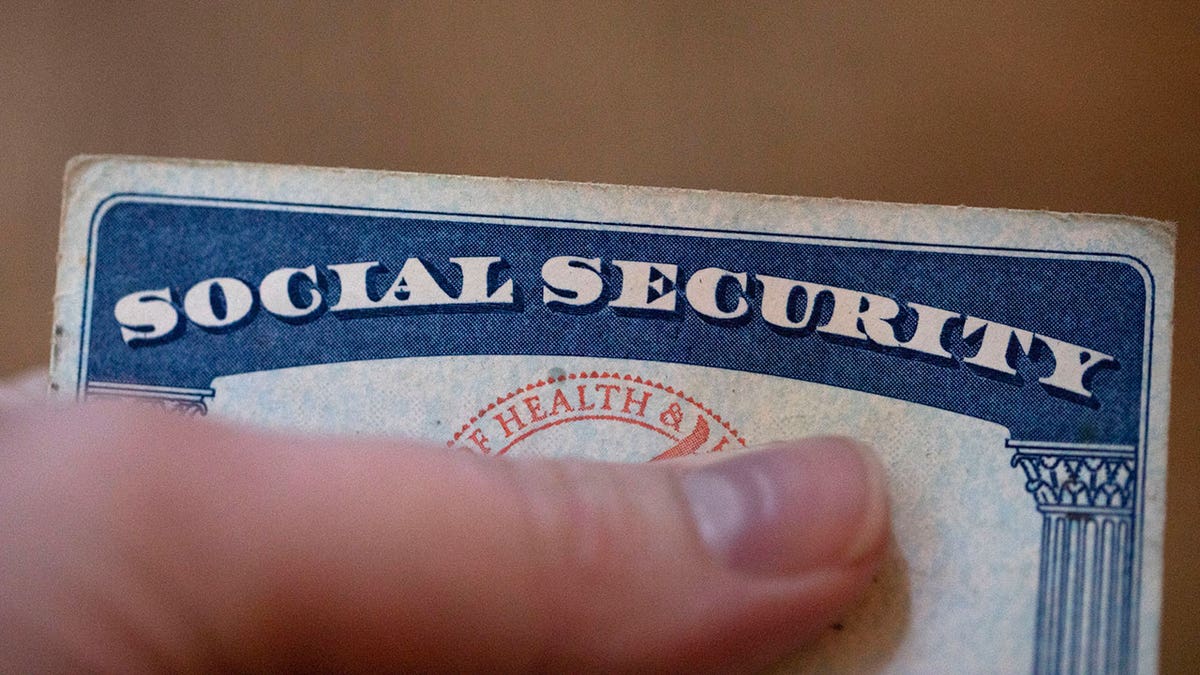
Your Social Security number powers the federal tax filing and benefit systems, which is why some applications are actually mandatory. (AP Photo/Jenny Kane, File)
Examples of when you need to share your SSN
Certain U.S. federal laws and regulations require an SSN because it serves as an official taxpayer or benefit identifier.
Federal Income Tax Returns: The IRS requires people who qualify for an SSN to use it as their taxpayer identification number on Form 1040 and related filings. The IRS uses the number to match income statements, credits and refunds to the taxpayer’s correct record.
Form W-2 wage report: IRS regulations require employers to include each employee’s SSN on Form W-2. Employers submit the form to both the IRS and SSA so the agencies can record earnings and reconcile payroll taxes.
Social Security Retirement and Disability Benefits: Applications for Social Security benefits require an SSN so the SSA can retrieve the applicant’s earnings history and calculate eligibility and payment amounts.
FAFSA for federal student aid: U.S. citizens and eligible noncitizens applying for federal student aid must provide a valid SSN on the Free Application for Federal Student Aid (FAFSA). The number is verified against SSA records during processing.
Interest Income Reports: Financial institutions must obtain a taxpayer identification number (typically an SSN for individuals) to report interest income to the IRS on Form 1099-INT.
In each of these cases, the requirement arises from the statutes of the tax administration or the federal benefits law. The SSN is used to link records between agencies and systems.
when you No you need to share your SSN
Beyond tax returns, salary reports, and federal benefits, many SSN requests come from internal company policies rather than statutes. Typically, private companies can request your SSN. For most everyday transactions, there is no federal law requiring you to provide it.
Rental applications: Landlords often request an SSN to perform credit checks. Federal housing law does not require collecting a tenant’s SSN to rent a property. Assessment is conducted through consumer reporting agencies and alternative verification methods may be available.
Medical intake forms: Healthcare providers routinely include an SSN field. Federal law does not require patients to reveal their social security number to receive treatment. Since 2018, Medicare cards have used random beneficiary identifiers instead of Social Security numbers. These Medicare Beneficiary Identifiers (MBI) do not include your SSN.
School registration forms: Public schools can request a student’s SSN, but students cannot be denied enrollment for refusing to provide one. Institutions tend to assign their own identification numbers.
TAX SEASON 2026 SCAMS: FAKE IRS MESSAGES STEALING IDENTITIES
Utilities and subscription services: Power companies, mobile phone carriers, and gyms sometimes require an SSN to assess credit risk or secure payment arrangements. This is a risk management option, not a legal requirement.
In these cases, the request may seem routine. The legal basis is different from the administration of taxes or benefits. You can ask which authority requires it and whether another form of identification will be sufficient.
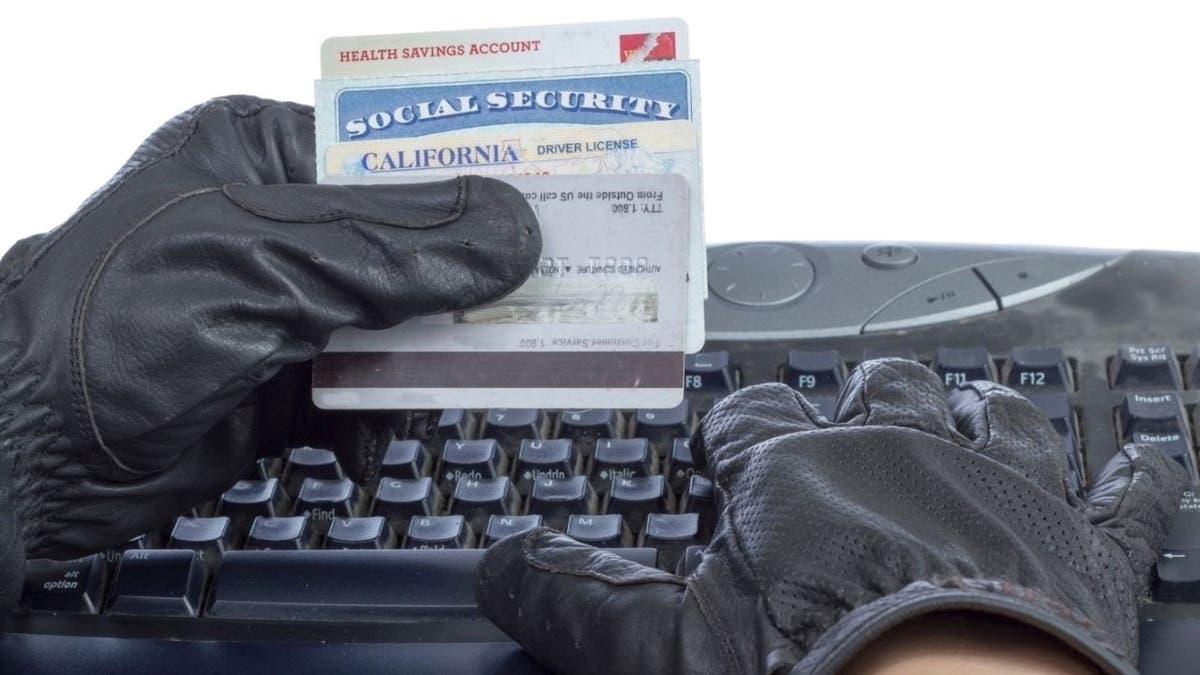
Not all forms that request your SSN have legal authority behind it. Many requests are simply company policy. (Kurt “CyberGuy” Knutsson)
What to ask before handing over your SSN
If the request comes from a government agency, look for a Privacy Act disclosure statement. Federal law requires agencies to indicate whether providing your SSN is required or voluntary, cite the legal authority for the request, and explain how it will be used. If the request comes from a private company, ask direct questions:
Is this required by federal or state law?
What will the SSN be used for?
Can you accept the last four digits?
Is there an alternative way to verify identity?
You can also ask how the number will be stored, if it is encrypted, and who has access to it. Collecting only what is necessary is a recognized security practice, but not all organizations follow it.
What really happens when your SSN is leaked?
A leaked or stolen SSN can be used anywhere that number is treated as proof of identity.
In tax administration, the IRS processes returns based on the attached SSN. If a fraudulent return is filed first, the legitimate taxpayer’s electronic filing may be rejected because the number has already been used. Fixing it means filing on paper and verifying identity while the IRS reviews the case. The agency’s Identity Protection PIN program was introduced after years of SSN-based tax fraud.
Credit reports work the same way. Under the Fair Credit Reporting Act framework, credit bureaus use the SSN to create and match consumer files. If credit is issued using your SSN, that account may be attached to your report until you dispute it. It remains there while the bureaus and lenders investigate.
Federal benefit systems also depend on the number. SSA warns that criminals are using stolen Social Security numbers to impersonate beneficiaries and create fraudulent online accounts. An SSN does not expire or reset. Once exposed, it may continue to appear on tax returns, credit applications, or benefit records until you flag it.
How identity monitoring services help you respond faster
Identity monitoring services try to detect suspicious activity related to your personal information as soon as possible. Many services track credit activity across the three major U.S. bureaus and alert you to new inquiries, accounts, and change reports. Some also scan datasets from known data breaches for exposed identifiers, including Social Security numbers.
Certain plans include identity theft insurance to cover eligible recovery costs, along with fraud resolution support to guide you through disputes and paperwork if something goes wrong.
No service can prevent all types of identity theft. The real value is early warning, knowing when and where your SSN is being used so you can act quickly before the damage spreads.
How to check if your personal information was exposed
If you are unsure whether your personal information has been compromised, take action. Start with a reliable breach scan to see if your email or other identifiers appear in known breaches. Early detection gives you more control and helps you respond before fraud escalates.
See my tips and top picks for the best identity theft protection at Cyberguy.com.

Before you give it to them, ask how your SSN will be used, stored, and protected. That simple pause can reduce your risk. (Kurt “CyberGuy” Knutsson)
Kurt’s Key Takeaways
Lawmakers created the Social Security number to track income and manage benefits, not to unlock every aspect of your life. However, today many companies treat it as a universal key. In some situations, you will need to provide your SSN. Taxes, jobs, and federal benefits depend on it. However, many everyday requests come from internal company policies, not federal laws. That distinction matters. Before you share your number, pause and ask why the company needs it. Ask how they store it. Ask if another form of identification will work. Small questions can prevent big problems. If someone has exposed your social security number, act quickly. Monitor your credit. Configure alerts. Report any suspicious activity immediately. Early action limits damage and protects your identity. Your Social Security number does not change. But you control when, where and how you share it.
Have you ever been asked for your Social Security number in a situation that you didn’t think was necessary and you responded? Let us know by writing to us at Cyberguy.com.
CLICK HERE TO DOWNLOAD THE News APP
Sign up to receive my FREE CyberGuy report
Get my best tech tips, urgent security alerts, and exclusive offers delivered straight to your inbox. Plus, you’ll get instant access to my Ultimate Guide to Surviving Scams, free when you join me CYBERGUY.COM information sheet.
Copyright 2026 CyberGuy.com. All rights reserved.
Related article

Kurt “CyberGuy” Knutsson is an award-winning technology journalist with a deep love for technology, gear and devices that improve lives with his contributions to News and News Business since mornings on “News & Friends.” Do you have any technical questions? Get Kurt’s free CyberGuy newsletter, share your voice, a story idea or comment on CyberGuy.com.